Source
The Bulwark
- Type
- Newsletter on Substack
- Lean
- Right-leaning
- Right-Center+3.7 of ±10
- High1.0 of 10 (lower is better)
- High
- Website
- thebulwark.com ↗
- Feed
- RSS ↗
- Articles stored
- 83
- Tracked since
- Oct 21, 2026
Down: MBFC factual reporting score, 0 most factual to 10 least.
Bias and credibility ratings by Media Bias/Fact Check.
The Bulwark on MBFC ↗Publishing rhythm
How many articles The Bulwark published over the last 14 days, by publication time, and at which hours of the day.
Top keywords
All keyword charts for The Bulwark →The people, places, organizations and topics The Bulwark covered most that day, by the share of its stories that mention them. Article counts are shown for context.
No keywords that day yet.
Latest articles

Did we finally break him? 1. Trumpfall I was wondering which would break first, Trump’s spirit or his body. Today we may have an answer. The president is an old man. He tries to cover up that fact with hair dye, elaborate combovers, layers of makeup, and other visual f/x. But he’s obviously unwell. Morbidly obese. He falls asleep sitting in public, in meetings, while on camera. His body emits random noises that his underlings pretend not to notice. His voice is weak and strained. His extremities are mottled and swollen. And yet until this week Trump’s spirit had still been strong. His will-to-power intact. His urge to dominate and ability to take the initiative had dulled, but were extant. Since Monday it’s different. We may have broken his back, once and for all. Let me lay out the scenario for you . . . The election is over but the fight for accountability is just beginning. Wage it alongside us. With our post-election flash sale, you can join Bulwark+ for 20 percent off the normal price. These are your people. Come ride with us.
Paid postJonathan V. Last ·
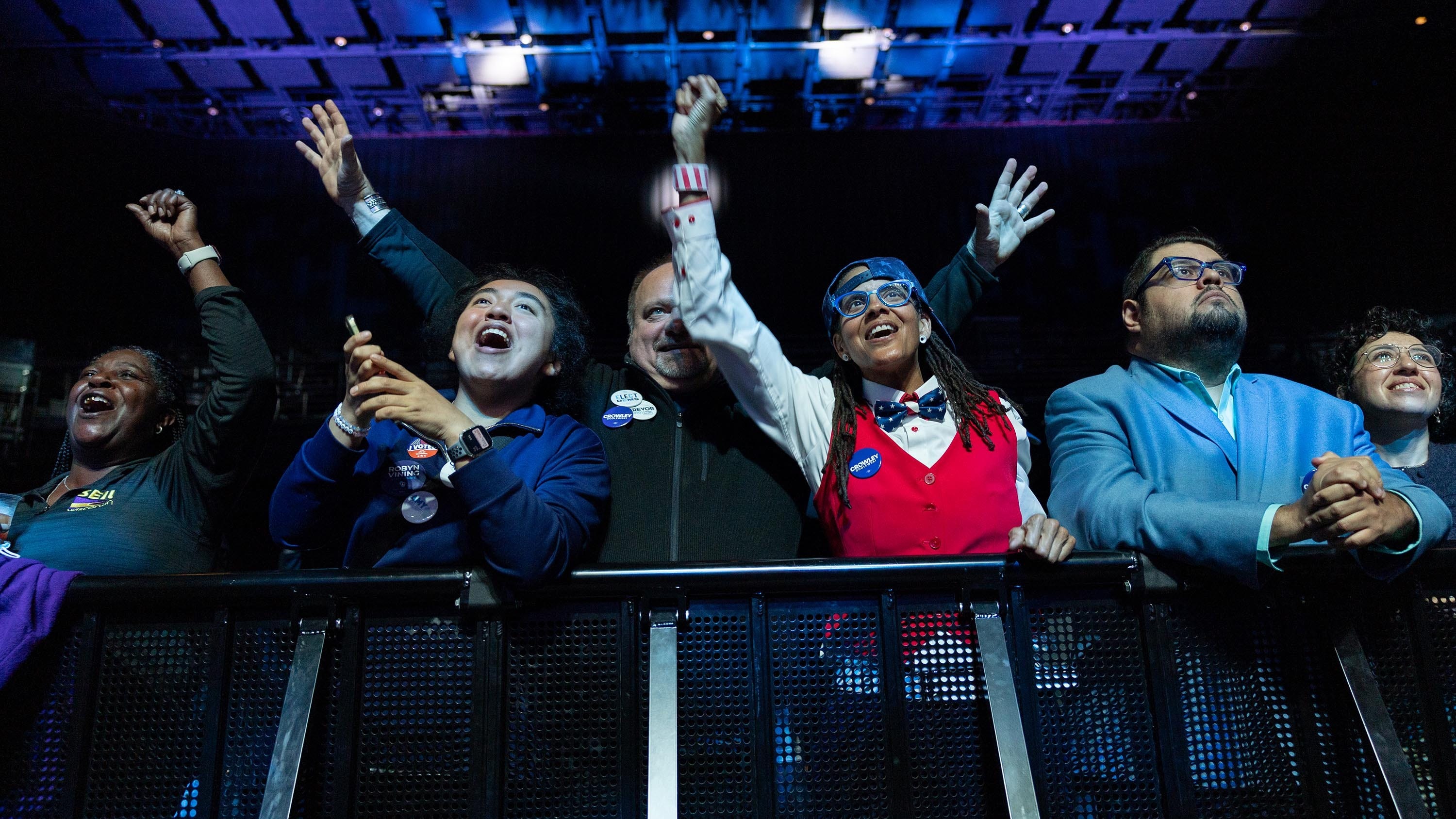
Plus, Republicans’ trans fumble. As the last votes get counted, we’re starting to see the final, remarkable shape of our blue tsunami. Next year, it looks like America will have 56 Democratic senators, around 260 House members, and the governorships of 13 of the 14 largest states. About 60 percent of Americans will be represented in the House by a Democrat, and about 70 percent will have a Democratic governor. Oh, and Laura Loomer’s podcast is going on hiatus, and Elon just discontinued the Cybertruck. It’s been quite the week. Happy Friday. It Is Hereby Ordered... by William Kristol Writing here on Wednesday morning, I remarked that “surely we’re entitled now to a day not of thinking or worrying or arguing, but of celebrating.” Then, thinking of all the work that does lie ahead, I added: “But only one day!” I was wrong. I now see that we deserve more than one day of celebration. We’ll have to get back to work soon enough. There’ll be no shortage of struggles and challenges and difficulties. There’ll come a time very soon to think and worry and argue. But how often do we get to celebrate something like what the American people accomplished on Tuesday? The breadth and depth of the popular repudiation of Trump and Trumpism deserves more than a mere 24 hours of joyful recognition. It feels as if, from the Mississippi Delta to the Alaskan tundra, from the Outer Banks to the Great Plains, a kind of iron curtain has been lifted from across our continent. A feeling of dread has given way to a sense of possibility. So continue the celebratory mood into the weekend! Live it up! You have my permission. Indeed, President Trump has inspired me to make that permission official. Yesterday, in one of his first acts since the election, President Trump issued an executive order designating the Oval Office a “national landmark” to prevent a future president from altering it. He said he wanted to “make it impossible for anybody to ever destroy this incredible space.” He wants his Saddam-inflected Cheesecake Factory–style Oval Office to be preserved intact for posterity. The order can and will of course be rescinded by the next president. But it made me think. If President Trump can issue meaningless executive orders, so can I. So: Now, therefore, I, William Kristol, co-author of Morning Shots, by the authority vested in me by the Constitution and Bylaws of The Bulwark, do hereby extend our period of National Celebration through the end of the weekend. So that’s done. I can’t help but mention one other matter: Soon after Donald Trump issued his ridiculous executive order, Pete Hegseth gifted us with a video—lest we forget, even for a minute, his noxious presence at the Pentagon. The commentator Heather Delaney Reese gives a good account of it here. She begins, After renewed calls for his impeachment and removal, this afternoon, Donald Trump’s handpicked Secretary of “War,” Pete Hegseth, with his greasy hair slicked back and an American flag handkerchief poking out of his pocket, released a video of himself that marked an all-new low point . . . The video is a familiar litany of culture war attacks and idiocies. It’s an embarrassment to our military and our nation. But Hegseth did have a purpose: to convince President Trump not to toss him overboard. So he begins by talking about the inspiring moment he first walked up to “President Trump’s War Department.” And then he links the motion to impeach him, which is due to come to the floor when Congress returns next week, to the earlier impeachments of his leader and master. “Just like they tried against President Trump, twice . . . Didn’t work against President Trump, and it won’t work with me.” This did make me think: What would be more fitting as a first post-election act by the Congress of the United States than the impeachment of Pete Hegseth? It would be an act of the old Congress in a lame-duck session, not the new one. But in a way that would make it an even more powerful statement. Since it wo…
William Kristol ·
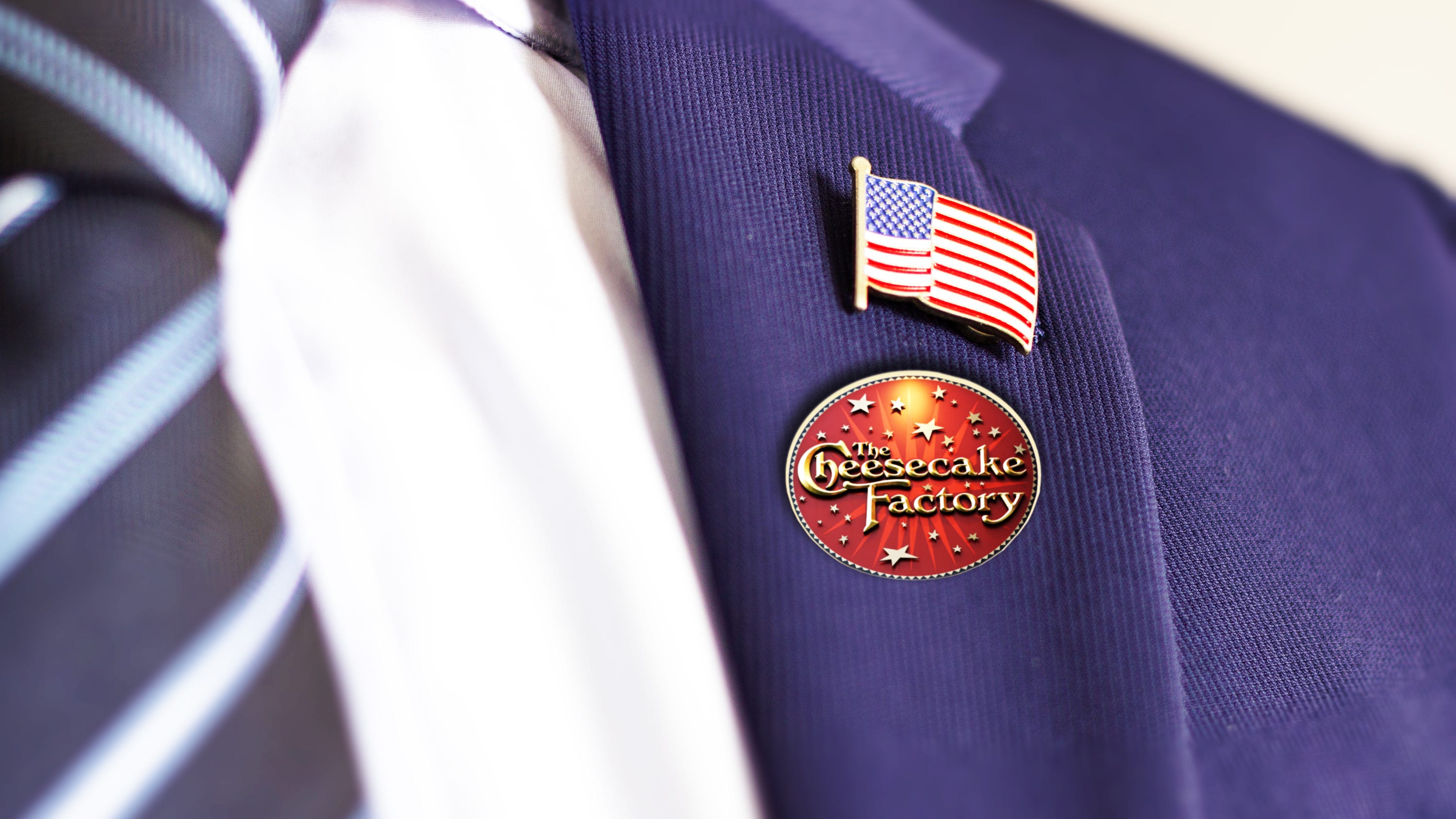
Obama made a joke. Republicans made a fuss. Voters made it a rout. OF ALL THE SIDE ISSUES that popped up at the end of the midterm campaign, none seem quite as contrived as the anger directed at Barack Obama for his line about the Cheesecake Factory. While campaigning in Cleveland for Ohio’s Democratic ticket, the former president mocked Donald Trump’s interior-decorating skills, saying, “He’s got the White House looking like Saddam Hussein opened a Cheesecake Factory.” Republicans pretended to be appalled. Obama had crossed a line, they insisted, ridiculing a restaurant chain whose healthy portions are a synecdoche of American prosperity and whose heaping tables are a rightful reward for hard-working Americans simply trying to afford a good meal. “Obama, without even trying to be, just can’t help himself from being super elitist,” resenter-in-chief Vice President JD Vance said at a Fox News town hall. Republican strategist Matt Whitlock tweeted, “Classic Obama snobbery. Cheesecake Factory is a great option for people who can’t afford a private chef at their Martha’s Vineyard estate,” while Treasury Secretary Scott Bessent, whose wealth is measured in the hundreds of millions, literally went to a Cheesecake Factory, after which he advised that “the Martha’s Vineyard set” should give it a try. Fox News’s Martha MacCallum summed up the issue by saying that Obama’s remark “goes exactly to why Democrats lost the middle class, why they lost blue-collar voters.” The whole brouhaha felt like a preposterous relic of an earlier political era—one in which Obama’s choice of suit or salad greens could tie conservative pundits and pols into knots of rage. And now we have some proof of how manufactured the outrage really was. That’s because, while we will have to wait for granular data from voter files to assess just how well Democrats did with middle-class and blue-collar voters, we can reach one hugely important conclusion just working from the data already available: Democrats won the majority of U.S. House seats with a Cheesecake Factory in the district. And a hearty, Cheesecake-Factory-portion-sized majority at that. There are 215 Cheesecake Factory locations currently open across the 50 states. Under the maps used in the 2024 elections, those restaurants were scattered across 175 different congressional districts (so that some districts have the distinct honor of being home to more than one Cheesecake Factory), of which Democrats currently represent 108. Under the new maps in place for the 2026 elections, those same Cheesecake Factories were scattered across 171 districts. By the end of Tuesday night’s election
Paid postBrendan Hartnett ·
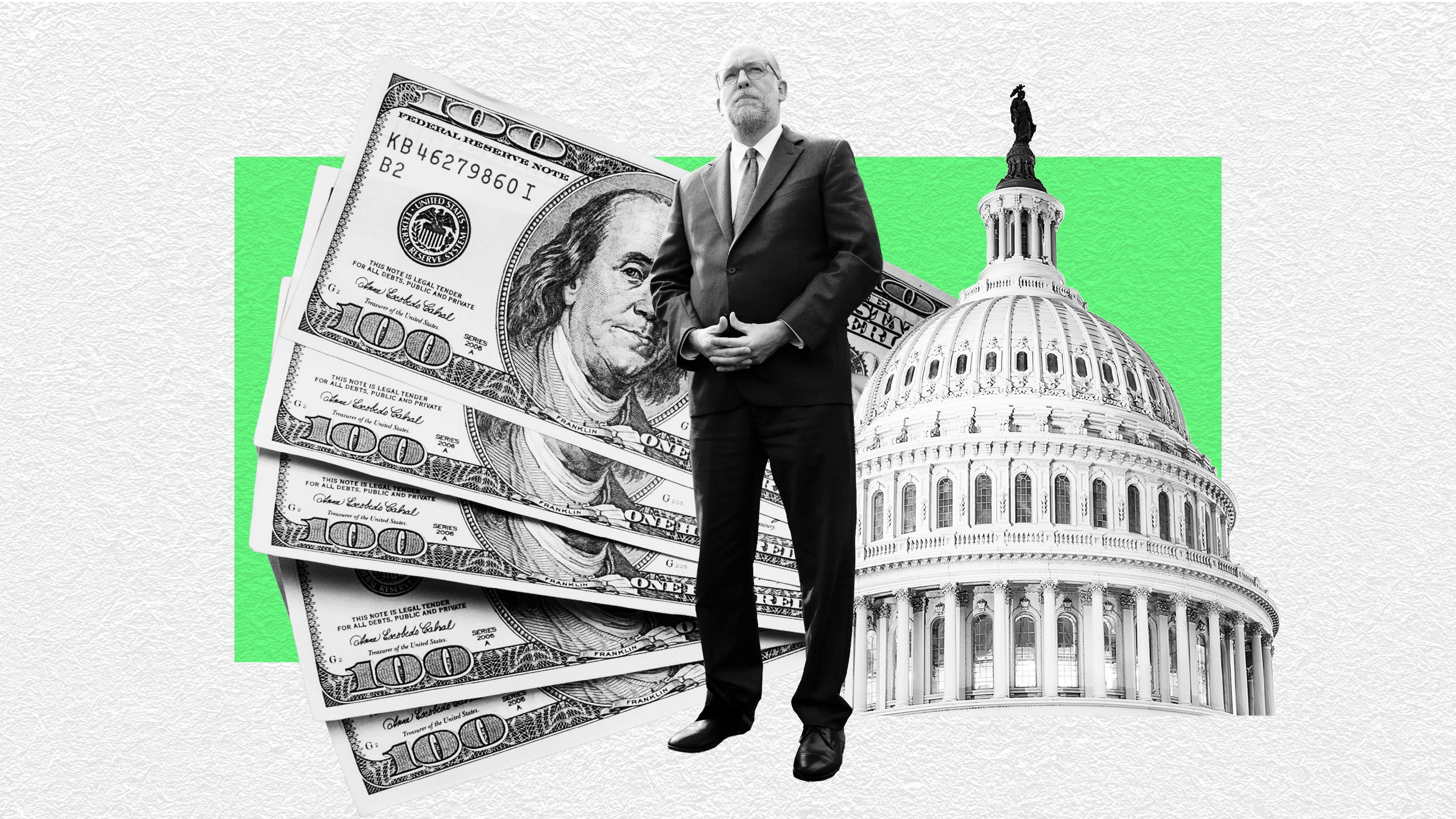
Trump’s rogue OMB director is about to get his wings clipped. CONGRESSIONAL DEMOCRATS OBVIOUSLY have lots of things on their to-do list for next year, starting with cost-of-living issues and cracking down on corruption. But there’s another key priority that has gotten less attention but is no less important: restoring the constitutional separation of powers so that Congress actually controls the power of the purse again. Or to put it in more colorful terms: Congress is about to reclaim its cojones, and then go after the low-profile cabinet member who sliced them off in the first place. I’m referring to Office of Management and Budget Director Russell Vought. He served in that role for the second half of Trump’s first term, then spent the next four years preparing for a return to office—starting a Trumpian think tank and writing a critical chapter in Project 2025. Since resuming the OMB job, Vought has orchestrated many of Trump’s most brazenly authoritarian moves as president. There’s a reason Rep. Brendan Boyle (D-Pa.), the incoming chair of the House Budget Committee, called Vought “the most dangerous man in America that most Americans have never heard of.” “It’s easy to pay attention to fools like RFK and Hegseth,” says David A. Super, an administrative and constitutional law professor at Georgetown. “But Russ Vought is actually pretty good at his job. He’s just evil as hell.” Vought is not a clown. And he’s not overtly corrupt. He’s just really, really good at turning Trump into a king. So let’s talk about some of the sneakiest, most devious ways the Trump administration has been shredding the Constitution, and what the new Democratic majorities on Capitol Hill can do to glue it back together—and maybe inflict a little pain on the guy with the shredder, too. This gets a bit wonky, but stick with me. I promise it’s worth it.
Paid postCatherine Rampell ·
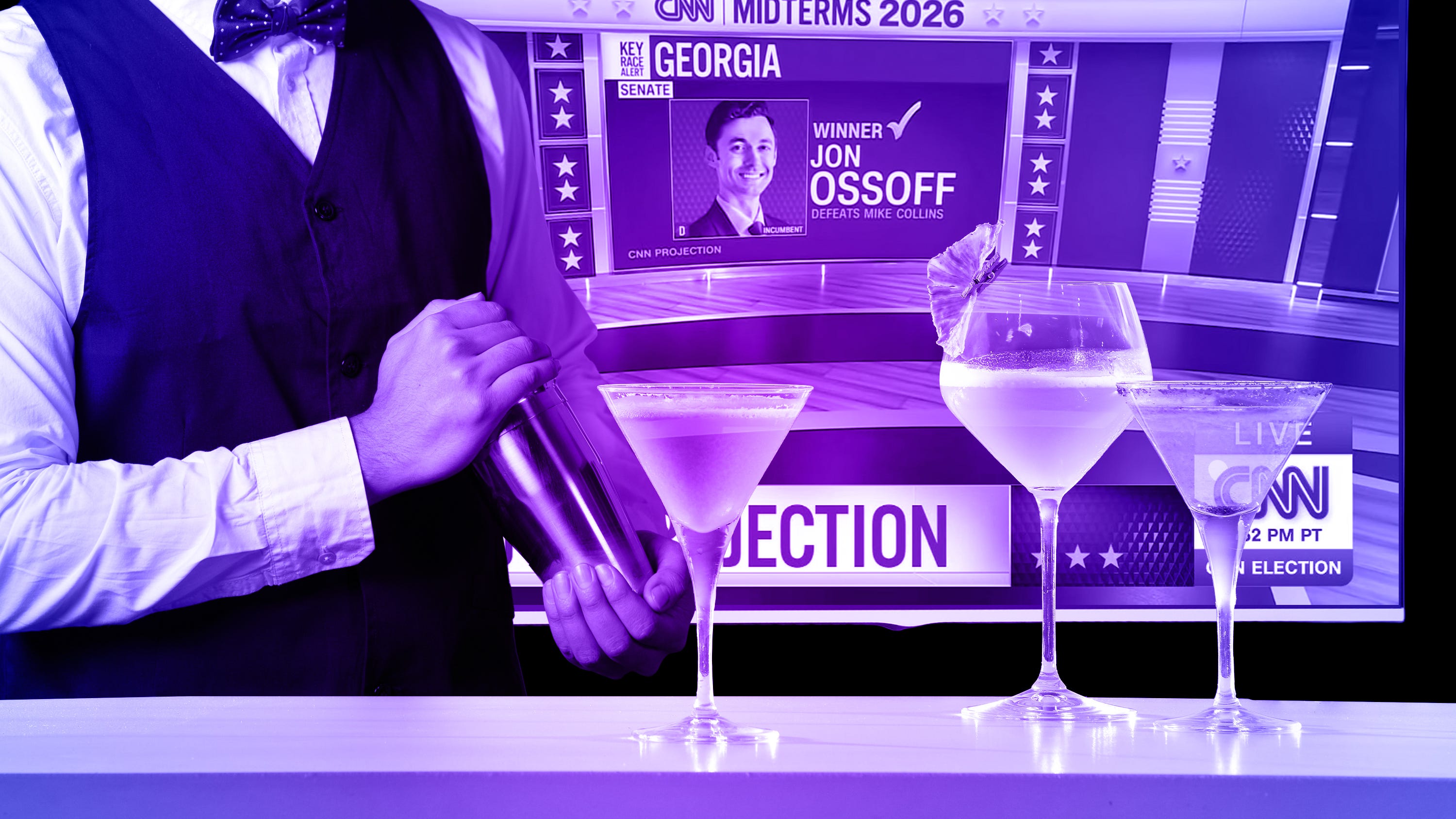
Plus: House Republicans take stock of their diminished factions and prepare to pick a new leader. You’ve received a new message from Butterworth’s Hi Joe, We’re sorry to tell you that we have to cancel your reservation for tonight, Tuesday, November 3. Because of increased security measures around Capitol Hill for Election Night, we’ve decided to adjust our operations for the evening, and we can’t host your party as planned. We know this is short notice, and we’re truly sorry for the inconvenience. We’d love to welcome you back soon. Please reply to this message or book another night on OpenTable, and we’ll make sure you’re well taken care of when you come in. Thank you for understanding, and stay safe tonight. -General Manager, Butterworth’s This email landed in my inbox shortly before I left The Bulwark’s newsroom on Election Day to begin my walk around town. Although I’d made my reservation at Butterworth’s, the Capitol Hill restaurant known for its MAGA clientele and ownership, weeks in advance, I was getting the boot. I’d only meant to treat the bistro as a pit stop during my busy night navigating watch parties, where I expected to see the horseshoe theory of problem drinking—the converging excesses of celebration and despair—enacted at scale. But I still wanted to know why I’d been preemptively turned away.
Paid postJoe Perticone ·

JD Vance is trying to take over. And he has help. 1. Putsch JD Vance made his move yesterday morning. He soft-launched his 2028 campaign by blaming Trump’s Iran war, Trump’s inflation, and Trump’s closeness with Israel for the Republican annihilation. It was an extraordinary gambit because the vice president wasn’t blaming conditions for the problem. He was blaming the president’s choices. His post attempted to box in the president by demanding that Trump surrender on Iran, cut off Israel, and—by implication—drop his tariffs. It’s unclear if Vance coordinated this play with Trump. But it was clearly coordinated with two other people, and these three guys are trying to muscle Donald Trump out of the way . . .
Paid postJonathan V. Last ·

Everyone with a podcast is feeling terrible, and they’re ready to fight about it! THE POLLS HAD BEEN PREDICTING DOOM for his party for weeks, if not months. But as the first election results began rolling in on Tuesday afternoon, pro-Trump pundit Benny Johnson couldn’t help feeling good. Republicans had captured the governorship of Guam by 1,020 votes. Johnson, the right’s most prominent memester, told his fellow kids that control of the island—far closer to Papua New Guinea than to the continental United States—was a massively good omen for Republicans’ midterm hopes. “An island that knows a lot about blue waves just went Republican!” he said. The optimism didn’t last. Six hours after the big Guam win, as Democrats piled up electoral victories, Johnson was grimly intoning about the changing racial makeup of Texas. By Wednesday morning, with Democrats looking at a massive House sweep and a minimum of 54 Senate seats, he could no longer pretend Guam was significant at all. “What happened last night was a meteor strike and an unmitigated disaster,” he said. By Wednesday evening, having obsessively posted and livestreamed about the election for twenty-four hours, he professed emotional indifference to it all. “Notice how you don’t see any videos of Republicans bursting into tears, weeping and hysterical on social media after the loss?” he declared. “That’s because we have more to live for than party politics.” Johnson wasn’t alone on his emotional rollercoaster. After seeing their party badly blow the midterms, conservative personalities are currently struggling to process the defeat. Delusion has become disbelief. Disbelief has become despair. And despair has become disgruntlement. Along the way, they are turning on one another. On Piers Morgan’s election stream, anti-Israel libertarian comedian Dave Smith accused right-wing personality Jack Posobiec of misleading Republicans about the chances of a peace deal with Iran, prompting a tense on-air clash between the two. On the Daily Wire’s livestream, podcaster Matt Walsh said of the war in Iran that he would have preferred that Iran develop a nuclear bomb if that meant preventing a “Communist” victory in the midterms. The claim amounts to a serious difference of opinion with hawkish Daily Wire boss Ben Shapiro. Meanwhile, anti-DEI activist James Lindsay, who has become an opponent of the Israel foes, groypers, and antisemites—whom he has collectively dubbed the “Woke Right”—called for his enemies to be purged from conservative institutions. So much for free speech! RIGHT-WING MEDIA has always been a fractious place even under the best of circumstances, featuring combustible personalities with flexible ethical standards clashing with one another in the pursuit of influence, followers, and money. A civil war has roiled the podcast right for over a year, turning intertwined issues like the Epstein files, Charlie Kirk’s murder, and the Iran war into the stuff of both conspiracies and blood feuds. But the midterm rout, which none of these folks seemed to see coming, has cranked the stakes up to eleven. That’s partially because right-wing media figures are worried about their future. If no one wants to be a Republican anymore, who’s going to watch their podcasts and buy their brain pills? But it’s also because there’s a genuine belief that the fate of their ideological projects is at stake. On Wednesday, Vice President JD Vance and Donald Trump Jr., two figures tied to the Iran war by their proximity to Trump, also took the dramatic step of blaming the midterm losses on the war. And they weren’t the only prominent Republicans trying to create distance between themselves and the electoral catastrophe. Florida Gov. Ron DeSantis, now positioning himself as the country’s leading 2028 Republican and blameless for the war, said the midterms had been a near “extinction-level event” for the GOP. In the past, fickle as he is, Trump could have acted as a pillar of order for conservative media: Ge…
Will Sommer ·

We are watching a presidency collapse in real time. And it’s lovely and disorienting. We’re all still a little punch-drunk from Tuesday’s thunderclap of an election, which has left us in a magnanimous mood. So for the rest of the week, we’re having a little flash sale. Subscribe now to get 20% OFF the next year of Bulwark+. We want you with us for what comes next—and we think you’ll enjoy being along for the ride. Two days later, we’re all still trying to find words big enough to describe the magnitude of the blue wave we just witnessed. Here’s a data point: One of the earliest bellwethers Tuesday night was Kentucky’s Sixth District, where even a razor-thin win for Democrat Zach Dembo was seen as a sign that a massive tsunami was on the horizon. In the final count, Dembo won by more than nine points. Happy Thursday. Trump Retreats to His Happy Place by Andrew Egger It’s tough on the chattering class, living through a major political sea change. After Trump’s shocking win in 2016, pundits were suddenly deprived of the stores of political wisdom they’d spent years accumulating. Who could say how it had happened, or what would come next? Like everybody else, the analysts were groping blindly in the dark. (They compensated by visiting diners in rural Ohio to talk to voters.) Right now feels a bit like that too. Up until Tuesday night, the Trump era had been defined by certain rules. You could count on Trump always to do the most self-serving thing, to drag his party along with him, to ruthlessly quash dissent. And from about 2018 on, you could typically count on the GOP to go along with this arrangement. Are these still the rules after the midterm shellacking? Can Trump continue his generational run as Republican god-emperor? Here’s an even more astonishing question: Is he even going to try? Yesterday, as the Republican blame game got going, Trump wasn’t the one laying out the case for how the GOP could regroup and recover. That job fell instead to Vice President JD Vance. And remarkably, the case Vance made was one more in keeping with his own views than with his own administration’s party line. In a long treatise on X, Trump’s veep laid out the ways his own administration had brought calamity upon itself. “There will be a lot of infighting and arguing over what happened and why that is,” Vance wrote. “But the real reason we lost is obvious to almost everyone. . . . The reason we lost is the war.” To woo back the voters they lost, Vance argued, the administration would need to end the Iran war, refocus itself on cost-of-living issues, put America first, and “change our relationship to Israel.” This would be extraordinary stuff from any vice president—let alone Trump’s, with his mobland obsession with personal loyalty. Vance has found plenty of ways this year to get the word out about his own reservations about the Iran war. But this is the first time he’s said fuck it and just started posting on main. And why not? What has he got to lose? Vance’s odds of winning the presidency in 2028 have never been lower, and even he must see that there’s certainly no path there anymore as Donald Trump’s Bestest Little Guy. Of course, it doesn’t seem very likely to work: There’s only so much you can do to distance yourself from a White House when you’re its second-in-command. And you can only bemoan so much about the need to end the war when you led the negotiations that failed to end it. Vance was hardly the only Republican trying to chart a path forward. Florida Gov. Ron DeSantis, whose state Republicans weathered the blue hurricane better than most, spent yesterday repeatedly offering grim assessments of the dead-end trajectory of the current party and the opportunities it had squandered to get here. MAGA dissidents like Tucker Carlson were happy to twist the knife, too: “We can say, without hyperbole or gloating, this is the end of the Trump era last night,” Carlson said on his show. “We’re done.” Even replacement-level GOP senators found t…
Andrew Egger ·
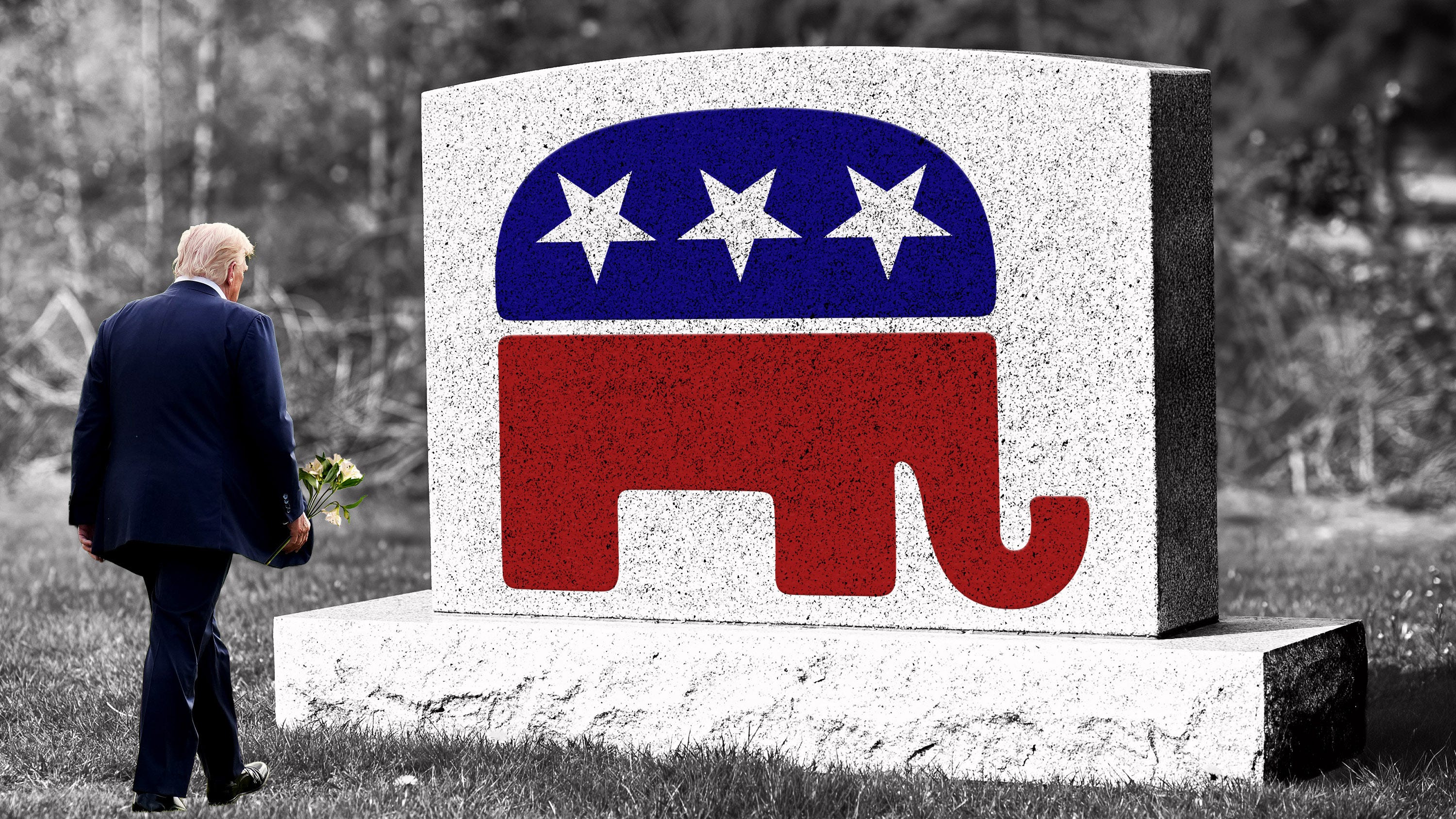
He brags about his hold on the base. But that base is shrinking. DONALD TRUMP RESPONDED to Tuesday’s Republican debacle with his usual humility. “I wasn’t on the Ballot,” he wrote on Truth Social, “and if I was, we would have won IN A LANDSLIDE!” He’s full of it. For weeks, at pre-election rallies, Trump told voters to act as though he were on the ballot. And they did. Some conservatives voted for him, but many stayed home. And tens of millions of Americans came out to vote against him. Trump killed his own party. The exit polls from the past three midterms prove it. The simplest index of Trump’s effect is an explicit question in the exit polls: “Was one reason for your vote for U.S. House today to express support for Donald Trump,” was it “to express opposition to Donald Trump,” or was he “not a factor”? In 2018, voters who said they were expressing opposition to Trump outnumbered those who were expressing support, 38 percent to 26 percent. In 2022, the AP and network exit polls diverged somewhat, but again, both found that opposers outnumbered supporters by about 12 points. This year, the deficit was much worse. Forty-four percent of voters in House races said they were expressing opposition to Trump; only 16 percent said they were expressing support for him. That’s a 28-point gap, more than twice the previous margin. When you compute how many votes that gap cost House Republicans, it works out to more than a quarter of the electorate. In all three midterms of the Trump era, including the 2022 midterm when he was out of office, Trump has weighed down his party. Each time, most people who said he wasn’t a factor voted for House Republicans. And each time, most people who said he was a factor voted for House Democrats. ANOTHER MEASURE of Trump’s effect is his approval rating. Overwhelmingly, people who approve of his job performance vote for Republicans in the House, while those who disapprove of his job performance vote for Democrats. In 2018, roughly 45 percent of voters approved of Trump’s performance, while 55 percent disapproved. Around 45 percent of voters strongly disapproved of him. In 2022, exit polls didn’t ask the approval question, because he wasn’t the president. But this year, the question returned, and Trump’s numbers were far worse than before. Only 37 percent of voters approved of his performance; 63 percent disapproved. Fifty-four percent of voters strongly disapproved. That’s a significant increase from his previous strong-disapproval number. Eighty-six percent of Trump disapprovers voted for House Democrats in this election. When you multiply the 63 percent by the 86 percent, you find that these people made up 54 percent of the electorate. Game over. Trump often brags that when he’s on the ballot, he brings out additional Republican voters who don’t show up in midterms. That’s true. But the extra turnout he generated in 2020 and 2024 masked an underlying decline in his support among the general population. To take one example: In the final Reuters/Ipsos poll before the 2018 midterms, 41 percent of Americans approved of Trump’s performance in office; 53 percent disapproved. In the final Reuters/Ipsos poll before this year’s midterms, only 32 percent approved of Trump’s performance; 64 percent disapproved. That’s a plunge from minus-12 to minus-32. And between the two polls, the percentage of Americans who “strongly” disapproved of Trump’s performance swelled from 38 percent to 50 percent. When the general population is two-to-one against a president, it’s unlikely—to put it charitably—that he would have benefited his party, on balance, by boosting turnout. A THIRD MEASURE of Trump’s waning power is the shrinkage of the MAGA vote. At his rallies in recent weeks, he routinely played a video clip of CNN analyst Harry Enten extolling Trump’s grip on the MAGA base. In the clip, Enten noted that 98 percent of self-identified MAGA supporters planned to vote for House Republicans. While gloating about the 98 percent…
Will Saletan ·
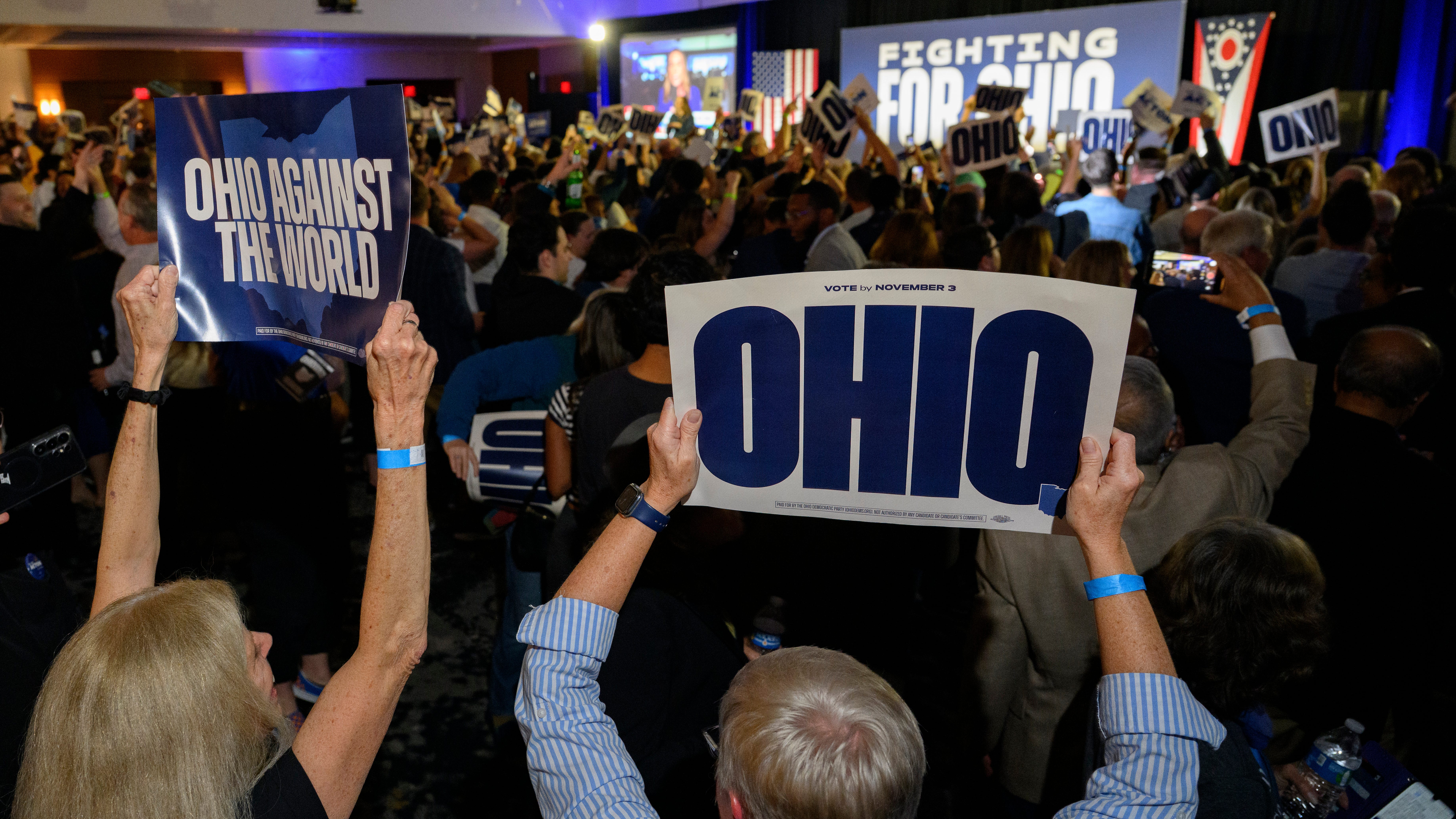
Tears, kisses, and breakdancing at a Dem victory party. AS WIN AFTER WIN was announced at the Ohio Democrats’ election-night party at the Columbus Hilton, I kept watching the younger Ohioans in the room. This was more winning than they had ever known. People were crying. People were kissing. After the speeches, some were even breakdancing. First Amy Acton, then Sherrod Brown and James Talarico. Then Gina Hinojosa. Every time the room started to settle down, something else would get the audience screaming again. Ohio Democrats, who have had decades of practice managing expectations, were suddenly having trouble keeping up with the rapid pace of victory. Accustomed to looking elsewhere for good news on election night, they cheered for the Texas victories nearly as loudly as they did for their own. Ohio Democrats have spent years watching their state’s name become a shorthand for what their party had lost. For decades, they have mostly known electoral heartache. A former presidential battleground had become a launching pad for Donald Trump’s would-be successors, sending JD Vance to Washington and offering Vivek Ramaswamy what he plainly expected would be a rung on the ladder to the presidency. Now Acton was headed to the governor’s office, and Brown was headed back to the Senate. Whenever I had good reception, my phone lit up with texts from childhood friends expressing happy incredulity: Was this really happening? At the Hilton party, I even ran into a high school classmate I hadn’t seen in years. He had the same question: How was all of this winning possible? I’d spent Monday night at Ramaswamy’s final campaign stop in West Chester, where he and a coterie of quarter-zipped GOP candidates for other state offices declaimed against Acton for refusing to debate, for her role in the state COVID response, and for substance problems they alleged on the basis of vibes alone. Skipping the debates was a gamble. But on Tuesday night, Acton stood on stage and told a cheering crowd that her heart was full. And she offered an unanswerable rejoinder to Ramaswamy’s personal campaign against her. “Do not underestimate a scrappy kid from Youngstown,” she said. “Do not underestimate the people of Ohio.” Ramaswamy’s concession call reportedly went to voicemail. When I interviewed Acton in August, she kept coming back to a somewhat peculiar leitmotif for a statewide campaign: community. She brought up Robert Putnam’s Bowling Alone and talked about the loss of civic institutions that used to connect Ohioans to one another. Once upon a time, “people didn’t know what party you were in, they knew what union you were in,” she told me. People regularly cried at her events, often surprising themselves, she told me. Her read was that they were exhausted by the fighting. They wanted things to get better, but they were wary of getting their hopes up. “Hope feels scary ’cause people have been burned before,” she told me then. Speaking from behind a lectern marked “Governor-Elect” on Tuesday night, Acton returned to her theme. She asked something of the people celebrating with her. “Do not give up on one another. Please, don’t give up on anyone in your life,” she said. “For me, that is what this race has always been about,” she said, “putting the heart back in the heart of it all.” SHERROD BROWN TOOK THE THEME of looking out for one another and scaled it up to the governmental level. He spoke of a congressional stock-trading ban, a government that puts working people first, and a fight against the corruption ordinary Ohioans pay for. “I do not work for the utility companies. I do not work for data centers. I do not work for Wall Street,” he said. “I work for you; I work for Ohio.” Then: “So we will fight to end these tariffs.” I spent years working in Republican politics, back when free trade was something the party championed and fought about with people like Brown. Now, here I was at a Democratic victory party, listening to the man promise to fight a Republi…
Jim Swift ·
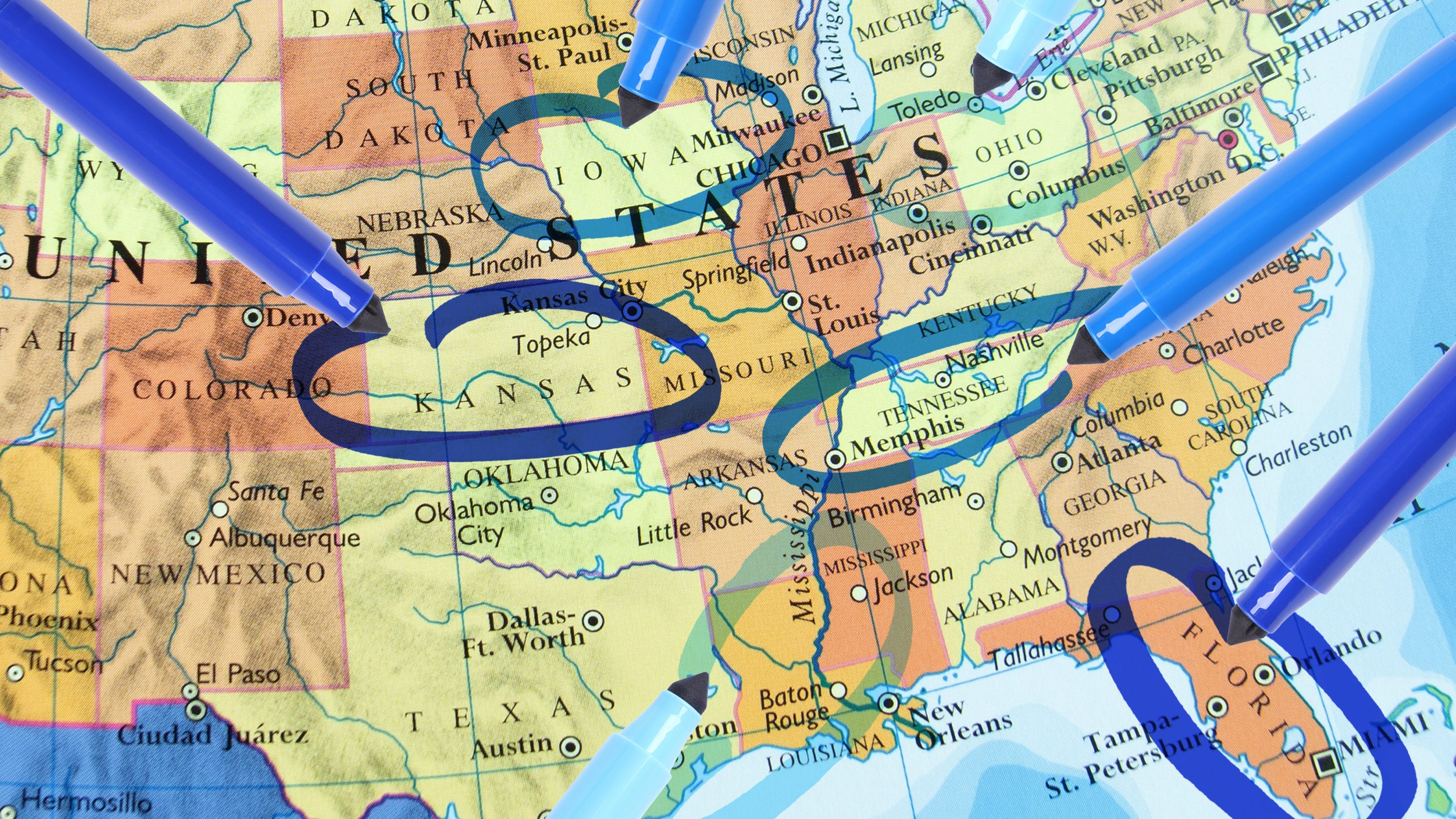
A bigger map. A deeper bench. And fewer excuses to write off the South. WHEN DONALD TRUMP won in 2016, it shocked the Democratic party’s psyche. Party officials had felt sure that Americans would reject him and his brand of politics. When they turned out to be wrong, they began second-guessing their political instincts, wondering if they even knew their own country or understood their own voters anymore. Democrats adopted a defensive crouch and remained in it for years. Convinced that large swaths of the country were unwinnable, they erected a political ceiling for themselves. Last night’s results were so seismic that they could very well shake them from that self-defeatism. Roy Cooper’s race for Senate in North Carolina—a state that Democrats have not carried at the presidential level since 2008—wasn’t close. James Talarico cruised to victory in the Texas Senate race by 12 points. Annie Andrews pulled off a stunning upset in the South Carolina Senate race. Adam Hamilton in Kansas, Sherrod Brown in Ohio, and Josh Turek in Iowa all won their Senate races with clear, even comfortable, margins. And as of now, while votes are still being counted, Scott Colom has a clear path to win—in Mississippi. Those are just the high-profile prizes, though. The real opportunities to expand the map are at the state level. And there, too, Democrats made remarkable gains, flipping control of five governorships in states Trump carried in 2024—Georgia, Iowa, Texas, Ohio, and Nevada—in addition to making sweeping gains in state legislatures around the country. Over the next few weeks, Democratic officials will process the immensity of their win and start working out what it means for the future of the party and for how the party should govern over the next two years. But in conversations with party leaders today, one of the emerging takeaways so far has been
Paid postLauren Egan ·

Trump promised mass deportations. His party got mass defections. THE BLUE TSUNAMI WAS CAUSED BY A LATINO EARTHQUAKE. Two years after helping Donald Trump return to the presidency, Latino voters swung hard toward the Democrats and played a decisive role in the national repudiation of MAGA. There were lots of reasons why—but the administration’s immigration policy was a big one. Poll after poll this year showed Americans, including Latinos, were motivated to vote by the cost of living and a desire to curb the president’s corruption. But my reporting both before and after Tuesday’s election suggests that Latino fury at ICE and the Republican deportation agenda proved to be a powerful motivator. “Theres definitely a response that people are having to the abuse of ICE, you see that whether that’s in Texas or Florida where Latinos switched strongly back,” Sen. Ruben Gallego told me on election night. “It’s obvious some had to do with the economy, but a lot had to do with Latinos targeted by ICE.” Hispanic voters understood Trump to be opposed to immigrant crime, but over the past two years, Latinos in America experienced degrading levels of racial profiling. It went beyond the racial profiling you might expect from law enforcement looking for criminals, Gallego said. He pointed to the Supreme Court’s toleration of racial profiling—the so-called “Kavanaugh stops”—that “allowed going to workplaces known to hire Latinos, if you’re speaking Spanish in particular, giving license to target Latinos for being Latinos.” Recognizing this boiling frustration, Democratic consultant Chuck Rocha, who worked on two dozen races across the nation, told me his firm ran only three kinds of ads this cycle: ads about the cost of living, ads about corruption, and ads about ICE. His firm creates everything from bilingual mailers to radio spots and Spanish-language TV ads—working in all those media and multiple languages, the ads must be focused on the top-performing issues. “In every working-class community in America, you saw people move back toward Democrats who were super mad that going to war drove up the costs of gas and diesel, and trade wars brought up the cost of everyday goods,” Rocha said. “But in the Latino community, there was that same economic anxiety in addition to fear that your father is going to be picked up and beat up by masked federal agents because he’s brown.” SANITY WINS FLASH SALE: Celebrate with 20% OFF Bulwark+ for the next year. Upgrade to Bulwark+ today. THIS IS OUR MOMENT. LET’S MAKE SOMETHING OF IT. COME RIDE WITH US. Latino Fury The blue wave that washed away Greg Abbott’s three-term governorship in Texas making Gina Hinojosa the first Latina governor in the state’s history also saw James Talarico defeat the scandal-riddled Ken Paxton. And here, too, it was fueled by a historic Hispanic backlash against MAGA. Talarico outperformed expectations to such an extent that journalists and data gurus had to reach for unbelievable comparisons to properly contextualize how he did. In Cameron County, where nearly nine in ten voters are Hispanic, Talarico performed better than Democrats have in South Texas since the 1930s, when the party represented something very different in the South. A Texas Tribune reporter described FDR-level support in places like Hidalgo County, which is 92 percent Latino. In Starr County, 97 percent Latino, Talarico executed a more than 70-point swing. Rep. Joaquin Castro (D-Texas) highlighted that turnout in the Rio Grande Valley exceeded that of 2024. For him the reason was clear—and it wasn’t high prices and a poor economy.“For a lot of people, that’s their everyday life, but they’re a resilient and resourceful community that figures out how to get by in tough economies,” he told me. “But we haven’t seen this huge a Latino voter surge before. The difference is ICE and the mass deportation campaign.” Talarico also put his money where his mouth was, his adviser Rocha said, spending more money communicating to…
Adrian Carrasquillo ·

MAGA without Trump? Reaganism without Reagan? The GOP’s next act could be a revival, a reinvention, or stumbling into more of the same. DONALD J. TRUMP IS A SUPER-LAME DUCK. The man who has dominated the Republican party and the American right for over a decade suffered a thorough repudiation in the midterms. The GOP was utterly shellacked, surrendering House and Senate seats they once thought were impregnable. Trump has treated the Republican party like one of his own failed casinos, and in turn the Republican party, once the more ideological of the two main parties, has remade itself in Trump’s image. Sometimes literally. But, after this historic repudiation of Trump’s narcissism, wars, tariffs, and deportation agenda, where does the party go from here? For better or worse, the Grand Old Party is one of the two viable national parties. It is going to have to put forth a candidate in 2028, and the ambitious aspirants for the presidency are quickly going to start exploring ways to differentiate themselves. So even as the Republican base and the vast right-wing media universe try to figure out how to think about what just happened and what comes next, the potential candidates are already beginning to think through the ten thousand practical questions—of funders and hires, of speeches and interviews, of travel and allies and especially policy—that will define their campaigns, and thereby reshape the party. Can the GOP find a way up from Trumpism? Near-Term The fight within the Republican party over who is to blame for Tuesday night’s results is going to be a fierce, savage free-for-all. Some in the grifter-commentator class, like Matt Walsh, will be ready to blame Trump; others, not quite. But at an institutional level, expect a clash between, on one hand, the MAGA establishment that attempted to turn Trump’s insecurities, idiosyncrasies, hatreds, lusts, and idées fixes into a governing agenda, and, on the other, the America First movement that reflexively blames elected Republicans for everything. MAGA establishment figures Ted Cruz, Marco Rubio, and JD Vance are bellwethers here. (Pete Hegseth is toast.) Cruz will redouble his efforts to revive Tea Party–era conservatism as a return to “true” Republican values. Vance will start leaking to every journalist he meets in an effort to put space between himself and Trump. What he says or implies will indicate the strategic thinking of the right’s illiberal intellectual class. Rubio, as always, will attempt to put himself at the dead center of wherever he thinks the party is going. Meanwhile, America First bombthrowers like Tucker Carlson and Marjorie Taylor Greene will hammer Republicans for acquiescing to Trump’s war of choice in Iran, for covering up the Epstein files, and for failing to deport enough immigrants. It’s unlikely the kook right will rally behind another candidate the way they did around Trump; their participation in the coalition will likely be more ad hoc, less reliable, and more dependent on how much nuisance value they can extract from the larger blocs. Longer-Term Trump’s political death is going to leave a vacuum at the top of the Republican party, and the struggle to fill that void starts now. Of course, Trump still has two years left in his term, but the befuddled and now-repudiated Old Man no longer possesses the menace and gravity he once had. So while he’ll capture headlines and make bad, even dangerous, decisions, he’s less electorally relevant than ever. The recent history of American conservatism suggests four possible pathways for Republicans: 1. ‘True MAGA Has Never Been Tried’ The media-intellectual-political apparatus that the American right has built over the past fifty years remains powerful. A good chunk of that system of podcasts, infotainment networks, think tanks, publishing houses, magazines, and so on has been thoroughly MAGAfied. These are the cadres that will maintain that true MAGA has never been tried. Think tanks and other organizations…
Joshua Tait ·
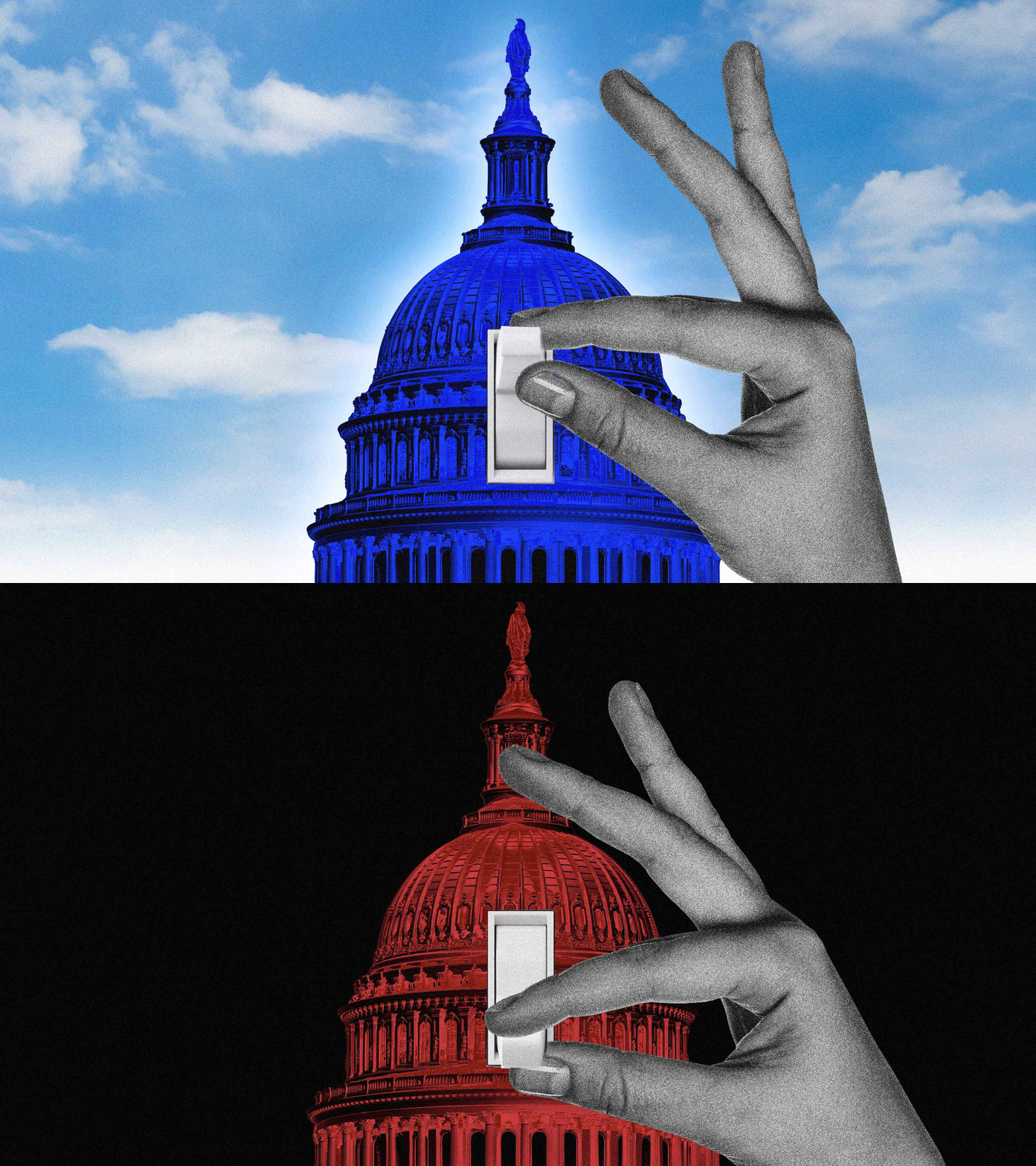
The beginning of the end of MAGA? Not done basking in the warm sunshine of good news? Us neither. Tim, Sarah, and JVL will be live on Substack and YouTube at 10:00 a.m. EST, with (possibly) Sam and Bill to follow after. Happy, happy Wednesday. Too Big to Rig by Andrew Egger The whole game changed last night. We’re all still grappling with what Democrats’ once-in-a-century rout will mean. JVL is right: Trumpism has not been fully defeated, not yet. But one of its darkest elements has been smashed for good. In 2020, Trump tried to steal a presidential election by sheer force. After he failed, he and his movement spent years systematically grinding down the institutions that got in his way. After his re-election, he stocked the government with loyalists and attempted to seize unprecedented federal control over elections. The inescapable question has hung in the air like a miasma: What happens if he tries to do it again? Last night, those fears popped like a soap bubble. Whatever dirty tricks Trump might have been planning—and you can bet he was planning them—were trampled by the stampede of the Democratic wave, which was, to borrow a phrase, too big to rig. Yesterday morning, Trump was deploying a thousand DOJ employees to monitor polling places in blue areas and leading the charge for Alaska to refuse to certify a Democratic victory in the Senate race, while MAGA influencers got busy circulating election-fraud conspiracies and lies. Hours later, Trump was meekly promising to accept the results and work across the aisle. “We’ll, you know, look forward to working with [Democrats],” he told the New York Times. “We’ll probably work something out.” Trump’s stop-the-steal plans didn’t just get trampled in 2026. They’re also DOA for 2028. Trying to steal an election requires a lot of institutional support that Trump simply won’t have in two years: No Republican Congress to vote not to certify races, fewer Republican governors in swing states to help him monkey with the totals where he’d need it. Six of the seven 2024 presidential swing states had governor’s elections last night; Democrats won all six. Trump’s problems won’t end there. And neither will his party’s. Elected Republicans are now caught in an excruciating bind: They’ve arrived at Trumpism’s electoral dead end, but the combination of Trump’s massive, touchy ego and the total lack of other power centers in the party means they have zero cover to try to stake out new territory either. For Republicans trying to figure out their political future, that means either continuing to tie themselves to the lame-duck president, or risking having him try to end their careers out of sheer pique. Meanwhile, the factional knives are coming out: Not many Republicans are brave enough to blame Trump for this loss, but you can bet that, for instance, supporters and opponents of the war in Iran will be spending the rest of the year trying to lay this disaster at each other’s feet. But right now, in the afterglow of the Democrats’ world-historical stomp, I’m setting all that aside for the moment to focus on one simple, shining fact. Trump’s election lies—which have done unbelievable damage to America since 2020 and until yesterday seemed an indelible part of our political moment—now suddenly have been utterly neutralized, such that it no longer seems insane to contemplate the possibility that Trump will never successfully peddle that poison again. A Great Day for the Good Guys by William Kristol Let it be told to the future world, that in the depth of winter, when nothing but hope and virtue could survive, that the city and the country, alarmed at one common danger, came forth to meet and to repulse it. –Thomas Paine, The American Crisis No. 1, December 23, 1776 Election Day 2026 was the true celebration of our 250th anniversary. The childish events staged earlier this year by Donald Trump, for Donald Trump, and about Donald Trump, are already fading into the mists of history. The votes of perhap…
William Kristol ·
Pop the champagne. Preserve the documents. THE. JOB’S. NOT. DONE. Tonight was a remarkable result—a generational realignment in American politics. But it was the product of ten years of struggle. Ten years of fight. Ten years of insisting that we would not give up on liberalism. It might take another decade of work to finish off Trumpism. So take tonight to celebrate. Below I have some initial thoughts about tonight’s results. I want us to take a victory lap and then get back to work. I want you to internalize the reality that this election is just the beginning—a very big beginning—of the long march to roll back Trumpism. In 2020 we thought the fever had broken and the world would return to normal on its own. We know now that this doesn’t work. There are still two more years. Trump still has a great deal of power. The general public will get bored. But we won’t. The Bulwark exists to expose the fascists’ corruption and fight for liberalism. We’ll remain committed to reporting on all of the investigations, doing all of the accountability. We were built to fight Trumpism and we’re tooling up to do even more over the next two years. We can do this work only because we’re supported by our members. We don’t have Elon Musk; we have people like you. We want you with us. The only way through is together. This is the time. Let’s fucking go. No sections tonight. Just some forward-looking thoughts on what we know so far, what we should learn from this election, and what we must prepare for. (1) As big as we thought. The polls slightly understated Democratic strength. Florida nearly flipped both the governor and Senate. Annie Andrews didn’t squeak out a win over Darline Graham—she thumped her. Same with James Talarico. Same with Adam Hamilton. Gina Hinojosa, who ran a race almost entirely on her own, beat a three-term incumbent governor in TEXAS. We don’t have the final numbers yet, but Susan Collins is almost gone and Michigan looks safe. As I write this, 54 seats is the baseline. 55 seats is probable. 56 might materialize before the counting is done. The double-nickel. Remember where you read that first. (2) Size matters. In the House, the next speaker will have a lot of room to maneuver. He can protect all of these new Democrats by letting them trade off on tough votes. In the Senate, 55 seats means that impeachment of cabinet members is a live possibility. Could you get 12 Republicans to join in removing the architect of the Iran war? I’d like to test that proposition. (3) Lawyer up, bitches. Did you donate to Trump’s ballroom? Did you get a pardon? Have you done any business of any sort with members of the Trump family and/or their hangers-on? Did you take part in DOGE? Did you receive no-bid contracts for the Reflecting Pool? Did you trade on insider information? Did you shoot an American citizen on the street? Or run over a “suspect”? Did you file a false incident report about an encounter with a member of the public? Did you give illegal orders? Did you follow illegal orders? Did you perjure yourself before Congress? Did you file documents with a court that were false or misleading? I’m going to give you the best free legal advice you’re ever getting in your life: Get a great fucking criminal defense lawyer. You’re gonna need it. (4) Candidates matter. James Talarico is a great candidate. So is Gina Hinojosa. So is Annie Andrews. Did Democrats run any bad candidates this cycle? Troy Jackson. That’s about it. Every other Dem in a stakes race was average or better. And on the Republican side how many good candidates did they have? Susan Collins? Good candidates matter and matching candidates with their electorate matters. If Democrats come out of this saying, “The lesson is you have to run candidates like X,” then they’re crazy. The lesson is: You have to run the right candidates in the right places. (5) The next nine weeks are fraught. Donald Trump has a compliant Congress for nine more weeks. What is he going to do? I will be sho…
Jonathan V. Last ·

Come hang with the gang! Tonight: Tim, Sarah, and JVL kick off our Election Night coverage for everyone on Substack, YouTube, Facebook, and Twitch at 7 p.m. EST Election Day is here. Let’s be together tonight as the polls close across the country. Starting at 7:00 p.m. EST: The Next Level gang—Tim Miller, Sarah Longwell, and JVL—will set the stage and report on the returns as the polls close across the Southeast. At 8:30 p.m. EST: Sam Stein, Andrew Egger, and Catherine Rampell will take over and check in with our reporters on the ground: Lauren Eagan in Georgia, Jim Swift in Ohio, Jonathan Cohn in Michigan, Tim Miller in Texas, and Joe Perticone in D.C. Then at 10:00 p.m. EST: Will Sommer, Bill Kristol, George Conway and Sarah Longwell will continue our coverage as the polls close across the West. COME HANG WITH THE GANG! Bulwark Election Night Live is for everyone and will be simulcast on Substack, YouTube, Facebook, and Twitch. See you soon!
The Bulwark ·
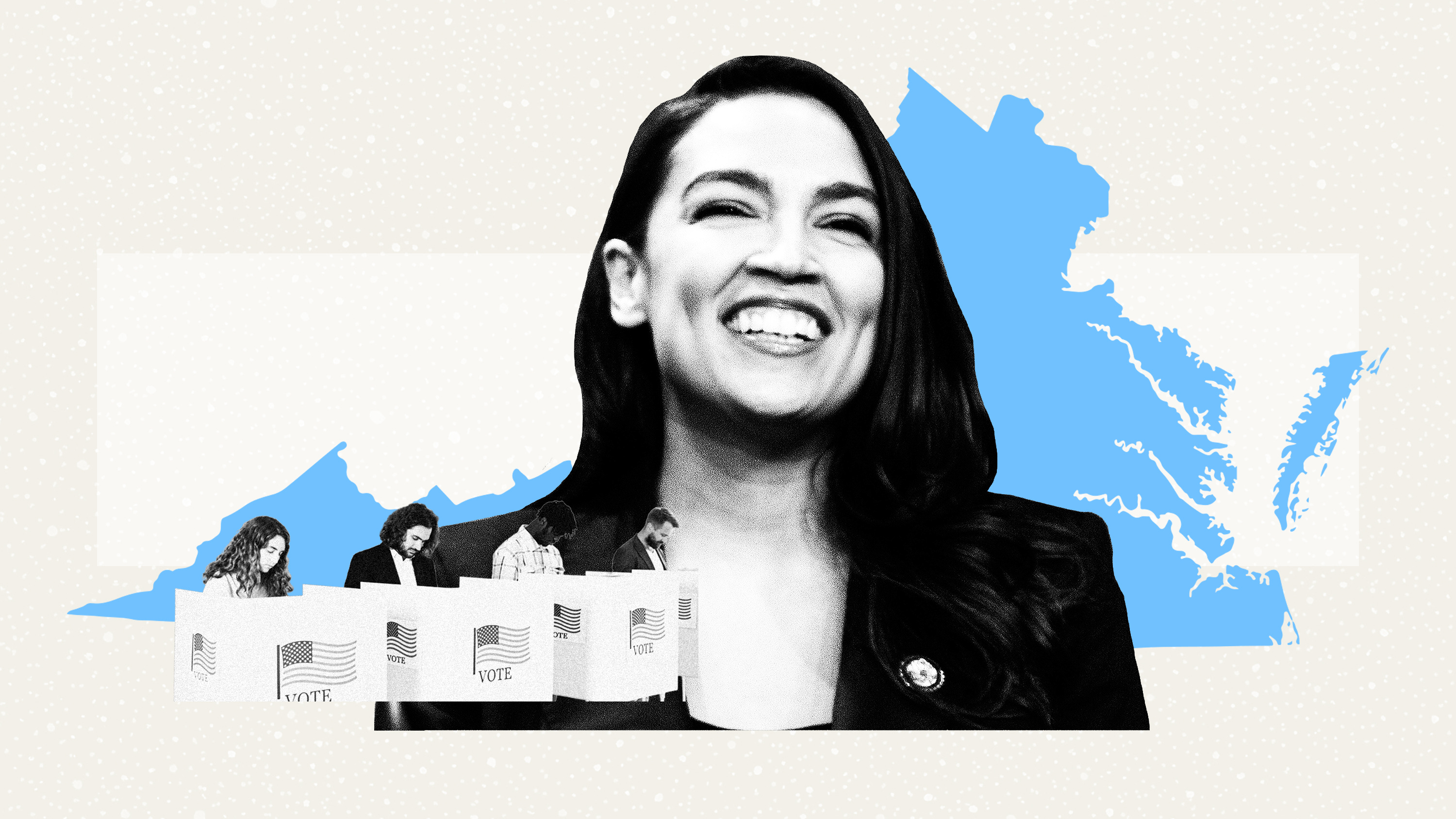
The progressive congresswoman is in prime position for a 2028 presidential run if she wants it. The future is not set Dumfries, Virginia Rep. Alexandria Ocasio-Cortez (D-N.Y.) has been campaigning furiously in the final stretch of this midterm election cycle, visiting states across the union to boost a range of candidates who hope that the charismatic congresswoman’s considerable name I.D. will help them run up the numbers against their Republican opponents. It’s usually helpful for a party star to campaign with others, especially in this attention economy, and Ocasio-Cortez is being a good team player here. But campaigning hard now also positions her well for a potential presidential bid in 2028. It’s not unusual for a lawmaker with higher ambitions to travel as much as Ocasio-Cortez has done this year. Arizona’s Sen. Mark Kelly, a widely discussed potential presidential candidate from the other side of the Democratic spectrum, has ventured to twenty-three different states this cycle to promote candidates up and down the ballot. For all the talk of factionalism in the Democratic party, most senior Dems are doing a good job maintaining a big tent approach, and Ocasio-Cortez’s final stop bridged the gap between the Democratic Socialists of America and the centrist New Democrat Coalition. On Friday evening, Ocasio-Cortez showed up to a crowded auditorium in Virginia’s 7th Congressional District—which, according to nonpartisan ratings, is not in much jeopardy—to boost incumbent Democratic Rep. Eugene Vindman. “We cannot simply hope that voters will return their ballots or get to the polls,” AOC said. “We gotta bring them there. And that’s why all of us have been knocking doors. It’s why I myself have been touring the country. And this is my last stop on the swing.” Virginia State Delegate Rozia Henson told me Ocasio-Cortez’s presence would likely juice Vindman’s turnout, while also shoring up the congresswoman’s favorability in the state for a theoretical primary campaign in two years. The DNC has scheduled Virginia to vote sixth in the 2028 Democratic presidential primaries, just before Super Tuesday. “I think it is important [that AOC is in Virginia], because in my district, I represent Route 1 all the way up to Fort Belvoir. There was some concerns with progressive voters and how they felt with [Vindman],” Henson said. “So to have that additional voice just like AOC here, it helps shorten that narrative relating to his votes [in Congress].” “I thought that from the perception—her being super progressive, socialist, et cetera, et cetera—and him more on the moderate side, to see that collaboration here today makes a difference,” Henson commented. Acknowledging Virginia’s newfound status as an early presidential primary state, he added, “There might be possibilities of what happens next, but we’ll see when that bridge gets here.” The fact that Ocasio-Cortez is campaigning in locales home to centrist or moderate voters is a sign of the importance of progressives to the Democratic coalition, said Usamah Andrabi, communications director for Justice Democrats, a leftist organizing group. “I think the left and progressives are leading this party forward with bold and visionary ideas that voters actually want to see us fight for,” Andrabi told me. “It makes sense that more establishment-aligned candidates are trying to align themselves with those campaigns, candidates, and issues, because they are simply what the people are demanding.” Part of being in a broad coalition is making a heads-I-win-tails-you-lose bargain with the other factions. If Democrats underperform today, progressives will blame moderates for failing to deliver the radical change that people want, while moderates will blame progressives for poisoning the party’s brand with more moderate voters. If Democrats have lots to celebrate, the credit will shift in equal and opposite directions. And in that case, you can expect to see more candidates like Ocasio-Cortez barnstor…
Joe Perticone ·
Election certification used to be a formality. Republicans are using it to steal the vote. WHEN WILL WE KNOW the outcome of the midterm elections? If your answer is ‘when all the ballots are counted,’ think again. Republicans are trying to institutionalize two later stages at which they could overturn the results. The first stage is certification: If a Democratic nominee comes out ahead, Republican governors and state legislatures could decide whether to reject the numbers. The second stage is seating: If a state certifies a Democrat’s victory, Republicans in Congress could refuse to let her take office. Ordinarily, certification and seating have been formalities. Donald Trump and his party are trying to convert them into routine forums for dispute. Republicans didn’t invent post-election challenges. Democrats have challenged elections themselves, most notably after the Bush-Gore contest of 2000. But in 2020, Republicans raised the game to a new level, filing dozens of lawsuits to challenge presidential election results in multiple states. They tried to use state legislatures to overturn their losses. And on January 6th, they turned the congressional certification of electors into a political and literal combat zone. Trump went on to claim that if Democrats hadn’t rigged the election, he “probably would have won all fifty” states. The latest battleground is Alaska, where Democrats allegedly conspired to put a man named Daniel J. Sullivan Jr. on the ballot alongside the state’s incumbent Republican senator, Dan S. Sullivan. Alaskan election officials tried to solve the problem by identifying Sen. Sullivan on the ballot as the incumbent. And since Alaska has ranked-choice voting, anyone who’s confused could vote for both Dan Sullivans—one as a first choice, the other as a second—so that if the other Sullivan is eliminated while the incumbent remains in contention, their vote transfers to the incumbent. Nevertheless, if Sen. Sullivan loses, Republicans are threatening to reject the results. Two weeks ago, Trump’s Department of Justice filed suit to block Alaska “from certifying any result that may be impacted by voter confusion.” DOJ defined this confusion scenario as Sen. Sullivan losing the election by a margin smaller than the number of votes cast for the other Sullivan. The next day, Trump affirmed that he had told DOJ to file the suit. “I’m the one that said, ‘Do it,’” he told the press. DOJ’s rationale for federal intervention was flimsy, and on Sunday, a federal court rejected it. DOJ appealed the same day. But the administration’s underlying goal, according to Attorney General Todd Blanche, is to get Alaska itself to withhold certification. “If a court ultimately determines that [the election] was decided because of confusion and not the will of the voters, then we do not think the states should certify,” Blanche explained on Face the Nation a week ago. He said DOJ’s aim was “to allow a process for Alaska to decide who should be certified as a winner.” Whatever Election Day brings, we’ll need independent journalism to hold the powerful accountable, to challenge falsehoods and hypocrisy, and to help figure out what comes next. Join a community that’s committed to that work—through 2028 and beyond. In the past few days, Alaska’s Republican governor, Mike Dunleavy, has hinted in several interviews that the state might overturn a victory by the Democratic nominee, former Rep. Mary Peltola. On Friday, Dunleavy was asked on NewsNation whether he would certify a Peltola win. “If we find out there’s wrongdoing, and if that means that the certification then is stopped or changed, then that’s what happens,” he replied. Dunleavy also suggested that even if Peltola were certified as the winner, the state might play a subsequent role in blocking her from taking office. “If we conclude that . . . there were things that should not have happened—let me put it that way—that are illegal, we will act on that,” he said. “And that may in fact…
Will Saletan ·
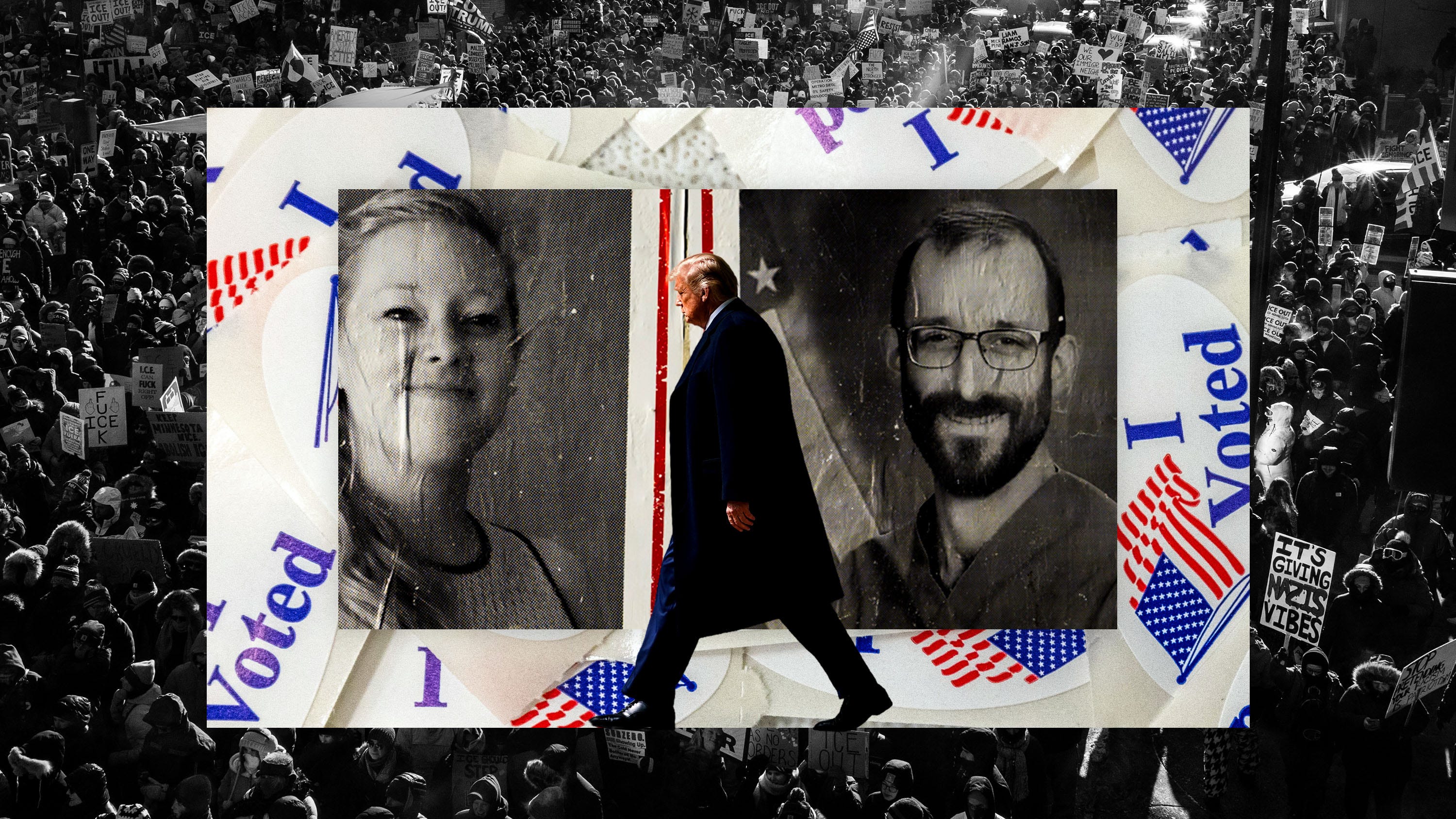
Plus: Vivek Ramaswamy’s closing harangue. It’s Election Day, and boy, do we have election coverage for you: Tim, Sarah, and JVL will kick off our election night broadcast at 7:00 p.m. EST on Substack, YouTube, Facebook, and Twitch. Sam and the rest of the Bulwark team will carry us through the night as results come in across the country. Everyone is welcome. See you tonight! Happy Tuesday and happy Election Day. Trump’s Downfall Started in Minneapolis by Andrew Egger So here we are at last. After two years of Donald Trump’s Washington—the idiocy, the cruelty, the malice, the bullying, the bigotry, the hubris, the state violence, the monomania, the cowardice—it’s finally time for the president to make the first payment on the bill. Barring a catastrophic polling error (and when has that ever happened?), Americans seem set to deliver a colossal rebuke to Trump, who stormed into office last year ready to crack heads and is now doddering out the last days of his trifecta ranking asses. The big political killer was Iran. Trump’s disastrous Middle East war fractured his coalition and doomed the country to a year (or more!) of terrible economic vibes. A week into the war, Trump’s approval rating was sitting north of 42 percent; it’s been slumping lower ever since. Nothing makes price-conscious Americans reach for their pitchforks like spiking energy prices. But I think that the turning point in Trump 2.0 actually came a little earlier. The thing that convinced Trump he needed to beat a retreat on a core part of his domestic agenda was his fiasco in Minneapolis. It’s only been a year, but it’s already easy to forget just how big a part large-scale state violence against Democratic protesters played in Trump’s plans in 2025. Over and over, the White House launched remarkable provocations against blue cities and states, from Los Angeles to Portland to Washington, D.C. These actions weren’t just intended to cow Democratic leaders. They were intended to stoke deliberate conflict between militarized agents of the state and people on the ground—conflict that Trump and MAGA could then repackage as content for their base. Amid Trump’s many simultaneous assaults on the norms and laws that restrain the presidency, this content served a specific rhetorical purpose. In videos of riots and clashes with protesters, Trump’s government represented the forces of order, while those who opposed him were the forces of chaos. The law, Trump’s violence argued, wasn’t some bunch of buzzkill rules dorks and eggheads used to rein in great men like him. The law was pepper spray in an angry protester’s face. As I wrote last October: Trump goes out of his way to start conflicts. He wildly exaggerates the horrors of daily life in blue cities. He sends the National Guard in a shock-and-awe show of force into those same places. In the protests and clashes that result, he tells them the only way they can err is by pulling their punches. You’ve got to teach these criminals, he says, the only way they understand. They spit, you hit. And “criminals” are whoever Trump says they are. When he ordered ICE into Minneapolis, Trump was just following the natural progression of this plan. But the plan quickly met disaster. ICE’s clownishly brutal occupation of the city spurred ever-increasing organized resistance from locals, who tracked ICE vehicles and made their job consistently irritating and difficult—blowing their cover by following them with blaring horns and shrieking blowing whistles, organizing deliveries of groceries and other materials to terrified immigrants wouldn’t have to risk leaving their homes, and so on. And videos of irritated agents lashing out at annoying but law-abiding and peaceful protesters started to turn public sentiment against the occupiers—even before things went catastrophically wrong. And then came the deaths of Renée Good and Alex Pretti. More than anything else, these two instances of shocking police violence against peaceful protesters turn…
Andrew Egger ·
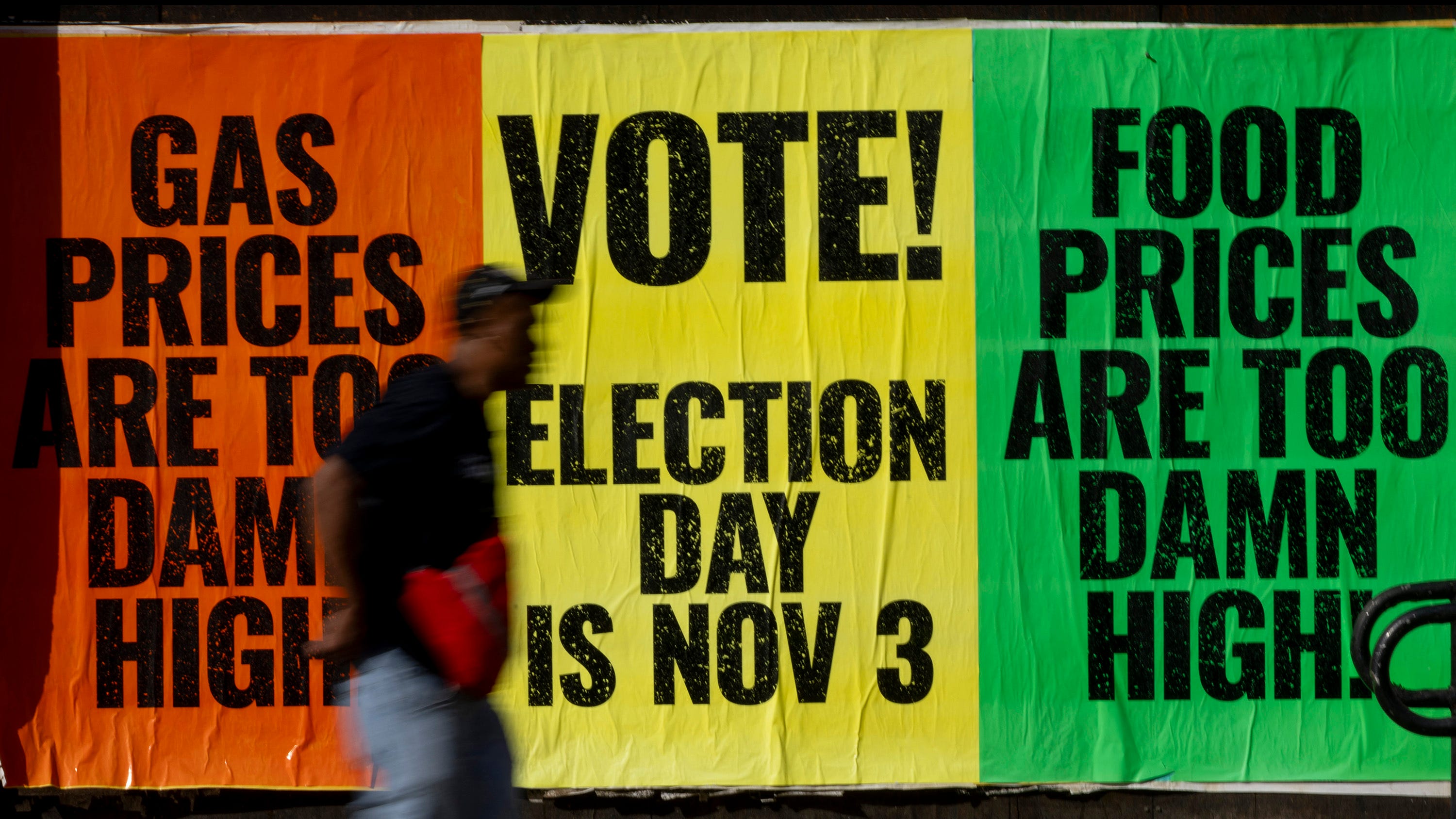
But what possible reason is there to vote for him? TRUMP WAS RIGHT ABOUT ONE THING: He is functionally on the ballot. And though some of the MAGA faithful may be motivated to vote because Trump revealed that he was a “freaking genius” for having passed three tests of cognitive decline, or because he was robbed of a Nobel Prize again, or because they believe that he will send them a $5,000 check if and only if the GOP wins, or because they think the Reflecting Pool was sabotaged by Communists, the majority of Americans will be treating his implicit presence on the ballot very differently. They view this election as a referendum on his performance in office. All midterms are referenda on the sitting president, so Trump needn’t have pleaded with his base. On the other hand, his base is shrinking, which may be why he is reduced to offering bribes It’s hard to think of an election in which an incumbent party has had less to offer voters. The MAGA Republican party is given to vituperation all the time, but in 2024, they at least had issues they could plausibly hit Democrats on, inflation and the border chief among them. Today, those issues favor the Democrats, so the Republicans have only shrill and juvenile name-calling in their quiver. There are, I guess, still millions of Americans who thrill to the music of MAGA, but the music has lost its magic for a big chunk of GOP voters. The percentage of Americans who strongly approve of Trump’s performance, the Economist/YouGov polls found, dropped from 34 percent in January 2025 to 18 percent in April 2026. A Reuters/Ipsos poll conducted in August found Trump’s strong approval even lower at 13 percent. Picture MAGA voters slinking off to their man caves, shaking their heads. Why should Republicans, even die-hard MAGA Republicans, be eager to pull the lever today? According to an April Gallup poll, a whopping 55 percent of Americans said their personal financial situation was getting worse. And that, for better or worse, is what drives voting decisions. It’s not the threats to invade Greenland or to close down hostile media, or taking Putin’s side in the Ukraine war. It’s not the corruption of criminal justice or the illegal attacks on boats in the Caribbean, or plundering Venezuela while leaving its corrupt, dictatorial government in place. No, the thing that sours voters is the price of gas, the cost of ground beef, and the availability of affordable housing. A Financial Times/Focaldata poll released yesterday found that only about 42 percent of Republicans approved of the president’s handling of inflation (just 20 percent of voters overall said the same). The sense that the economy is suffering because of Trump’s policies is arguably a big part of what’s driving down his support among constituencies in which he made gains in 2024: African Americans, Asians, Hispanics, and young people. A Reuters/Ipsos poll found that only 30 percent of those who voted for Trump in 2024 were very enthusiastic about voting in the midterms, compared with 48 percent of those who voted for Harris. Trump pleads that voters pretend he’s on the ballot, but he has lost support among every major demographic group including “double-digit drops among Hispanics, men, rural and suburban voters, people without college degrees and evangelical Christians.” The survey gives the impression that the only core MAGA constituency that’s more enthusiastic about Trump now is the plutocrats who were only in it for the money. What about the old reliable MAGA talking points? No new wars? That’s a problem. Not only is the Iran war costing Americans in the pocketbook; not only was it never explained or justified; not only is it dragging out with no discernible end point; not only is it dangerously depleting stocks of missiles and bombs, but the United States seems to be losing. Even among Republicans, approval of Trump’s handling of the war is steeply declining, according to polls by CNN/SSRS, from 73 percent support in March to 60…
Mona Charen ·