Source
The Bulwark
- Type
- Newsletter on Substack
- Lean
- Right-leaning
- Right-Center+3.7 of ±10
- High1.0 of 10 (lower is better)
- High
- Website
- thebulwark.com ↗
- Feed
- RSS ↗
- Articles stored
- 71
- Tracked since
- Oct 21, 2026
Down: MBFC factual reporting score, 0 most factual to 10 least.
Bias and credibility ratings by Media Bias/Fact Check.
The Bulwark on MBFC ↗Publishing rhythm
How many articles The Bulwark published over the last 14 days, by publication time, and at which hours of the day.
Top keywords
All keyword charts for The Bulwark →The people, places, organizations and topics The Bulwark covered most that day, by the share of its stories that mention them. Article counts are shown for context.
No keywords that day yet.
Latest articles

MAGA without Trump? Reaganism without Reagan? The GOP’s next act could be a revival, a reinvention, or stumbling into more of the same. DONALD J. TRUMP IS A SUPER-LAME DUCK. The man who has dominated the Republican party and the American right for over a decade suffered a thorough repudiation in the midterms. The GOP was utterly shellacked, surrendering House and Senate seats they once thought were impregnable. Trump has treated the Republican party like one of his own failed casinos, and in turn the Republican party, once the more ideological of the two main parties, has remade itself in Trump’s image. Sometimes literally. But, after this historic repudiation of Trump’s narcissism, wars, tariffs, and deportation agenda, where does the party go from here? For better or worse, the Grand Old Party is one of the two viable national parties. It is going to have to put forth a candidate in 2028, and the ambitious aspirants for the presidency are quickly going to start exploring ways to differentiate themselves. So even as the Republican base and the vast right-wing media universe try to figure out how to think about what just happened and what comes next, the potential candidates are already beginning to think through the ten thousand practical questions—of funders and hires, of speeches and interviews, of travel and allies and especially policy—that will define their campaigns, and thereby reshape the party. Can the GOP find a way up from Trumpism? Near-Term The fight within the Republican party over who is to blame for Tuesday night’s results is going to be a fierce, savage free-for-all. Some in the grifter-commentator class, like Matt Walsh, will be ready to blame Trump; others, not quite. But at an institutional level, expect a clash between, on one hand, the MAGA establishment that attempted to turn Trump’s insecurities, idiosyncrasies, hatreds, lusts, and idées fixes into a governing agenda, and, on the other, the America First movement that reflexively blames elected Republicans for everything. MAGA establishment figures Ted Cruz, Marco Rubio, and JD Vance are bellwethers here. (Pete Hegseth is toast.) Cruz will redouble his efforts to revive Tea Party–era conservatism as a return to “true” Republican values. Vance will start leaking to every journalist he meets in an effort to put space between himself and Trump. What he says or implies will indicate the strategic thinking of the right’s illiberal intellectual class. Rubio, as always, will attempt to put himself at the dead center of wherever he thinks the party is going. Meanwhile, America First bombthrowers like Tucker Carlson and Marjorie Taylor Greene will hammer Republicans for acquiescing to Trump’s war of choice in Iran, for covering up the Epstein files, and for failing to deport enough immigrants. It’s unlikely the kook right will rally behind another candidate the way they did around Trump; their participation in the coalition will likely be more ad hoc, less reliable, and more dependent on how much nuisance value they can extract from the larger blocs. Longer-Term Trump’s political death is going to leave a vacuum at the top of the Republican party, and the struggle to fill that void starts now. Of course, Trump still has two years left in his term, but the befuddled and now-repudiated Old Man no longer possesses the menace and gravity he once had. So while he’ll capture headlines and make bad, even dangerous, decisions, he’s less electorally relevant than ever. The recent history of American conservatism suggests four possible pathways for Republicans: 1. ‘True MAGA Has Never Been Tried’ The media-intellectual-political apparatus that the American right has built over the past fifty years remains powerful. A good chunk of that system of podcasts, infotainment networks, think tanks, publishing houses, magazines, and so on has been thoroughly MAGAfied. These are the cadres that will maintain that true MAGA has never been tried. Think tanks and other organizations…
Joshua Tait ·

The beginning of the end of MAGA? Not done basking in the warm sunshine of good news? Us neither. Tim, Sarah, and JVL will be live on Substack and YouTube at 10:00 a.m. EST, with (possibly) Sam and Bill to follow after. Happy, happy Wednesday. Too Big to Rig by Andrew Egger The whole game changed last night. We’re all still grappling with what Democrats’ once-in-a-century rout will mean. JVL is right: Trumpism has not been fully defeated, not yet. But one of its darkest elements has been smashed for good. In 2020, Trump tried to steal a presidential election by sheer force. After he failed, he and his movement spent years systematically grinding down the institutions that got in his way. After his re-election, he stocked the government with loyalists and attempted to seize unprecedented federal control over elections. The inescapable question has hung in the air like a miasma: What happens if he tries to do it again? Last night, those fears popped like a soap bubble. Whatever dirty tricks Trump might have been planning—and you can bet he was planning them—were trampled by the stampede of the Democratic wave, which was, to borrow a phrase, too big to rig. Yesterday morning, Trump was deploying a thousand DOJ employees to monitor polling places in blue areas and leading the charge for Alaska to refuse to certify a Democratic victory in the Senate race, while MAGA influencers got busy circulating election-fraud conspiracies and lies. Hours later, Trump was meekly promising to accept the results and work across the aisle. “We’ll, you know, look forward to working with [Democrats],” he told the New York Times. “We’ll probably work something out.” Trump’s stop-the-steal plans didn’t just get trampled in 2026. They’re also DOA for 2028. Trying to steal an election requires a lot of institutional support that Trump simply won’t have in two years: No Republican Congress to vote not to certify races, fewer Republican governors in swing states to help him monkey with the totals where he’d need it. Six of the seven 2024 presidential swing states had governor’s elections last night; Democrats won all six. Trump’s problems won’t end there. And neither will his party’s. Elected Republicans are now caught in an excruciating bind: They’ve arrived at Trumpism’s electoral dead end, but the combination of Trump’s massive, touchy ego and the total lack of other power centers in the party means they have zero cover to try to stake out new territory either. For Republicans trying to figure out their political future, that means either continuing to tie themselves to the lame-duck president, or risking having him try to end their careers out of sheer pique. Meanwhile, the factional knives are coming out: Not many Republicans are brave enough to blame Trump for this loss, but you can bet that, for instance, supporters and opponents of the war in Iran will be spending the rest of the year trying to lay this disaster at each other’s feet. But right now, in the afterglow of the Democrats’ world-historical stomp, I’m setting all that aside for the moment to focus on one simple, shining fact. Trump’s election lies—which have done unbelievable damage to America since 2020 and until yesterday seemed an indelible part of our political moment—now suddenly have been utterly neutralized, such that it no longer seems insane to contemplate the possibility that Trump will never successfully peddle that poison again. A Great Day for the Good Guys by William Kristol Let it be told to the future world, that in the depth of winter, when nothing but hope and virtue could survive, that the city and the country, alarmed at one common danger, came forth to meet and to repulse it. –Thomas Paine, The American Crisis No. 1, December 23, 1776 Election Day 2026 was the true celebration of our 250th anniversary. The childish events staged earlier this year by Donald Trump, for Donald Trump, and about Donald Trump, are already fading into the mists of history. The votes of perhap…
William Kristol ·
Pop the champagne. Preserve the documents. THE. JOB’S. NOT. DONE. Tonight was a remarkable result—a generational realignment in American politics. But it was the product of ten years of struggle. Ten years of fight. Ten years of insisting that we would not give up on liberalism. It might take another decade of work to finish off Trumpism. So take tonight to celebrate. Below I have some initial thoughts about tonight’s results. I want us to take a victory lap and then get back to work. I want you to internalize the reality that this election is just the beginning—a very big beginning—of the long march to roll back Trumpism. In 2020 we thought the fever had broken and the world would return to normal on its own. We know now that this doesn’t work. There are still two more years. Trump still has a great deal of power. The general public will get bored. But we won’t. The Bulwark exists to expose the fascists’ corruption and fight for liberalism. We’ll remain committed to reporting on all of the investigations, doing all of the accountability. We were built to fight Trumpism and we’re tooling up to do even more over the next two years. We can do this work only because we’re supported by our members. We don’t have Elon Musk; we have people like you. We want you with us. The only way through is together. This is the time. Let’s fucking go. No sections tonight. Just some forward-looking thoughts on what we know so far, what we should learn from this election, and what we must prepare for. (1) As big as we thought. The polls slightly understated Democratic strength. Florida nearly flipped both the governor and Senate. Annie Andrews didn’t squeak out a win over Darline Graham—she thumped her. Same with James Talarico. Same with Adam Hamilton. Gina Hinojosa, who ran a race almost entirely on her own, beat a three-term incumbent governor in TEXAS. We don’t have the final numbers yet, but Susan Collins is almost gone and Michigan looks safe. As I write this, 54 seats is the baseline. 55 seats is probable. 56 might materialize before the counting is done. The double-nickel. Remember where you read that first. (2) Size matters. In the House, the next speaker will have a lot of room to maneuver. He can protect all of these new Democrats by letting them trade off on tough votes. In the Senate, 55 seats means that impeachment of cabinet members is a live possibility. Could you get 12 Republicans to join in removing the architect of the Iran war? I’d like to test that proposition. (3) Lawyer up, bitches. Did you donate to Trump’s ballroom? Did you get a pardon? Have you done any business of any sort with members of the Trump family and/or their hangers-on? Did you take part in DOGE? Did you receive no-bid contracts for the Reflecting Pool? Did you trade on insider information? Did you shoot an American citizen on the street? Or run over a “suspect”? Did you file a false incident report about an encounter with a member of the public? Did you give illegal orders? Did you follow illegal orders? Did you perjure yourself before Congress? Did you file documents with a court that were false or misleading? I’m going to give you the best free legal advice you’re ever getting in your life: Get a great fucking criminal defense lawyer. You’re gonna need it. (4) Candidates matter. James Talarico is a great candidate. So is Gina Hinojosa. So is Annie Andrews. Did Democrats run any bad candidates this cycle? Troy Jackson. That’s about it. Every other Dem in a stakes race was average or better. And on the Republican side how many good candidates did they have? Susan Collins? Good candidates matter and matching candidates with their electorate matters. If Democrats come out of this saying, “The lesson is you have to run candidates like X,” then they’re crazy. The lesson is: You have to run the right candidates in the right places. (5) The next nine weeks are fraught. Donald Trump has a compliant Congress for nine more weeks. What is he going to do? I will be sho…
Jonathan V. Last ·

Come hang with the gang! Tonight: Tim, Sarah, and JVL kick off our Election Night coverage for everyone on Substack, YouTube, Facebook, and Twitch at 7 p.m. EST Election Day is here. Let’s be together tonight as the polls close across the country. Starting at 7:00 p.m. EST: The Next Level gang—Tim Miller, Sarah Longwell, and JVL—will set the stage and report on the returns as the polls close across the Southeast. At 8:30 p.m. EST: Sam Stein, Andrew Egger, and Catherine Rampell will take over and check in with our reporters on the ground: Lauren Eagan in Georgia, Jim Swift in Ohio, Jonathan Cohn in Michigan, Tim Miller in Texas, and Joe Perticone in D.C. Then at 10:00 p.m. EST: Will Sommer, Bill Kristol, George Conway and Sarah Longwell will continue our coverage as the polls close across the West. COME HANG WITH THE GANG! Bulwark Election Night Live is for everyone and will be simulcast on Substack, YouTube, Facebook, and Twitch. See you soon!
The Bulwark ·
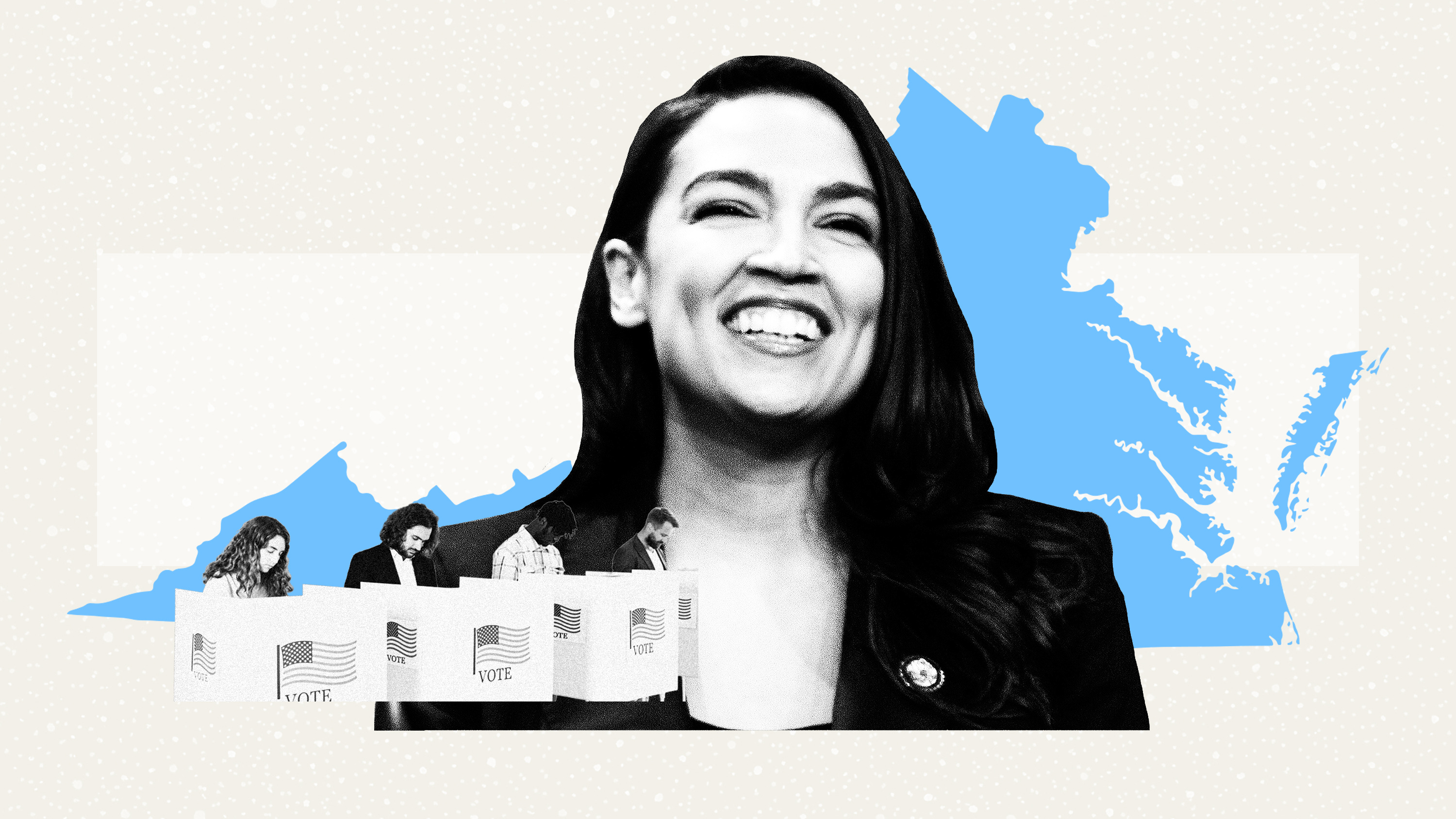
The progressive congresswoman is in prime position for a 2028 presidential run if she wants it. The future is not set Dumfries, Virginia Rep. Alexandria Ocasio-Cortez (D-N.Y.) has been campaigning furiously in the final stretch of this midterm election cycle, visiting states across the union to boost a range of candidates who hope that the charismatic congresswoman’s considerable name I.D. will help them run up the numbers against their Republican opponents. It’s usually helpful for a party star to campaign with others, especially in this attention economy, and Ocasio-Cortez is being a good team player here. But campaigning hard now also positions her well for a potential presidential bid in 2028. It’s not unusual for a lawmaker with higher ambitions to travel as much as Ocasio-Cortez has done this year. Arizona’s Sen. Mark Kelly, a widely discussed potential presidential candidate from the other side of the Democratic spectrum, has ventured to twenty-three different states this cycle to promote candidates up and down the ballot. For all the talk of factionalism in the Democratic party, most senior Dems are doing a good job maintaining a big tent approach, and Ocasio-Cortez’s final stop bridged the gap between the Democratic Socialists of America and the centrist New Democrat Coalition. On Friday evening, Ocasio-Cortez showed up to a crowded auditorium in Virginia’s 7th Congressional District—which, according to nonpartisan ratings, is not in much jeopardy—to boost incumbent Democratic Rep. Eugene Vindman. “We cannot simply hope that voters will return their ballots or get to the polls,” AOC said. “We gotta bring them there. And that’s why all of us have been knocking doors. It’s why I myself have been touring the country. And this is my last stop on the swing.” Virginia State Delegate Rozia Henson told me Ocasio-Cortez’s presence would likely juice Vindman’s turnout, while also shoring up the congresswoman’s favorability in the state for a theoretical primary campaign in two years. The DNC has scheduled Virginia to vote sixth in the 2028 Democratic presidential primaries, just before Super Tuesday. “I think it is important [that AOC is in Virginia], because in my district, I represent Route 1 all the way up to Fort Belvoir. There was some concerns with progressive voters and how they felt with [Vindman],” Henson said. “So to have that additional voice just like AOC here, it helps shorten that narrative relating to his votes [in Congress].” “I thought that from the perception—her being super progressive, socialist, et cetera, et cetera—and him more on the moderate side, to see that collaboration here today makes a difference,” Henson commented. Acknowledging Virginia’s newfound status as an early presidential primary state, he added, “There might be possibilities of what happens next, but we’ll see when that bridge gets here.” The fact that Ocasio-Cortez is campaigning in locales home to centrist or moderate voters is a sign of the importance of progressives to the Democratic coalition, said Usamah Andrabi, communications director for Justice Democrats, a leftist organizing group. “I think the left and progressives are leading this party forward with bold and visionary ideas that voters actually want to see us fight for,” Andrabi told me. “It makes sense that more establishment-aligned candidates are trying to align themselves with those campaigns, candidates, and issues, because they are simply what the people are demanding.” Part of being in a broad coalition is making a heads-I-win-tails-you-lose bargain with the other factions. If Democrats underperform today, progressives will blame moderates for failing to deliver the radical change that people want, while moderates will blame progressives for poisoning the party’s brand with more moderate voters. If Democrats have lots to celebrate, the credit will shift in equal and opposite directions. And in that case, you can expect to see more candidates like Ocasio-Cortez barnstor…
Joe Perticone ·

Election certification used to be a formality. Republicans are using it to steal the vote. WHEN WILL WE KNOW the outcome of the midterm elections? If your answer is ‘when all the ballots are counted,’ think again. Republicans are trying to institutionalize two later stages at which they could overturn the results. The first stage is certification: If a Democratic nominee comes out ahead, Republican governors and state legislatures could decide whether to reject the numbers. The second stage is seating: If a state certifies a Democrat’s victory, Republicans in Congress could refuse to let her take office. Ordinarily, certification and seating have been formalities. Donald Trump and his party are trying to convert them into routine forums for dispute. Republicans didn’t invent post-election challenges. Democrats have challenged elections themselves, most notably after the Bush-Gore contest of 2000. But in 2020, Republicans raised the game to a new level, filing dozens of lawsuits to challenge presidential election results in multiple states. They tried to use state legislatures to overturn their losses. And on January 6th, they turned the congressional certification of electors into a political and literal combat zone. Trump went on to claim that if Democrats hadn’t rigged the election, he “probably would have won all fifty” states. The latest battleground is Alaska, where Democrats allegedly conspired to put a man named Daniel J. Sullivan Jr. on the ballot alongside the state’s incumbent Republican senator, Dan S. Sullivan. Alaskan election officials tried to solve the problem by identifying Sen. Sullivan on the ballot as the incumbent. And since Alaska has ranked-choice voting, anyone who’s confused could vote for both Dan Sullivans—one as a first choice, the other as a second—so that if the other Sullivan is eliminated while the incumbent remains in contention, their vote transfers to the incumbent. Nevertheless, if Sen. Sullivan loses, Republicans are threatening to reject the results. Two weeks ago, Trump’s Department of Justice filed suit to block Alaska “from certifying any result that may be impacted by voter confusion.” DOJ defined this confusion scenario as Sen. Sullivan losing the election by a margin smaller than the number of votes cast for the other Sullivan. The next day, Trump affirmed that he had told DOJ to file the suit. “I’m the one that said, ‘Do it,’” he told the press. DOJ’s rationale for federal intervention was flimsy, and on Sunday, a federal court rejected it. DOJ appealed the same day. But the administration’s underlying goal, according to Attorney General Todd Blanche, is to get Alaska itself to withhold certification. “If a court ultimately determines that [the election] was decided because of confusion and not the will of the voters, then we do not think the states should certify,” Blanche explained on Face the Nation a week ago. He said DOJ’s aim was “to allow a process for Alaska to decide who should be certified as a winner.” Whatever Election Day brings, we’ll need independent journalism to hold the powerful accountable, to challenge falsehoods and hypocrisy, and to help figure out what comes next. Join a community that’s committed to that work—through 2028 and beyond. In the past few days, Alaska’s Republican governor, Mike Dunleavy, has hinted in several interviews that the state might overturn a victory by the Democratic nominee, former Rep. Mary Peltola. On Friday, Dunleavy was asked on NewsNation whether he would certify a Peltola win. “If we find out there’s wrongdoing, and if that means that the certification then is stopped or changed, then that’s what happens,” he replied. Dunleavy also suggested that even if Peltola were certified as the winner, the state might play a subsequent role in blocking her from taking office. “If we conclude that . . . there were things that should not have happened—let me put it that way—that are illegal, we will act on that,” he said. “And that may in fact…
Will Saletan ·
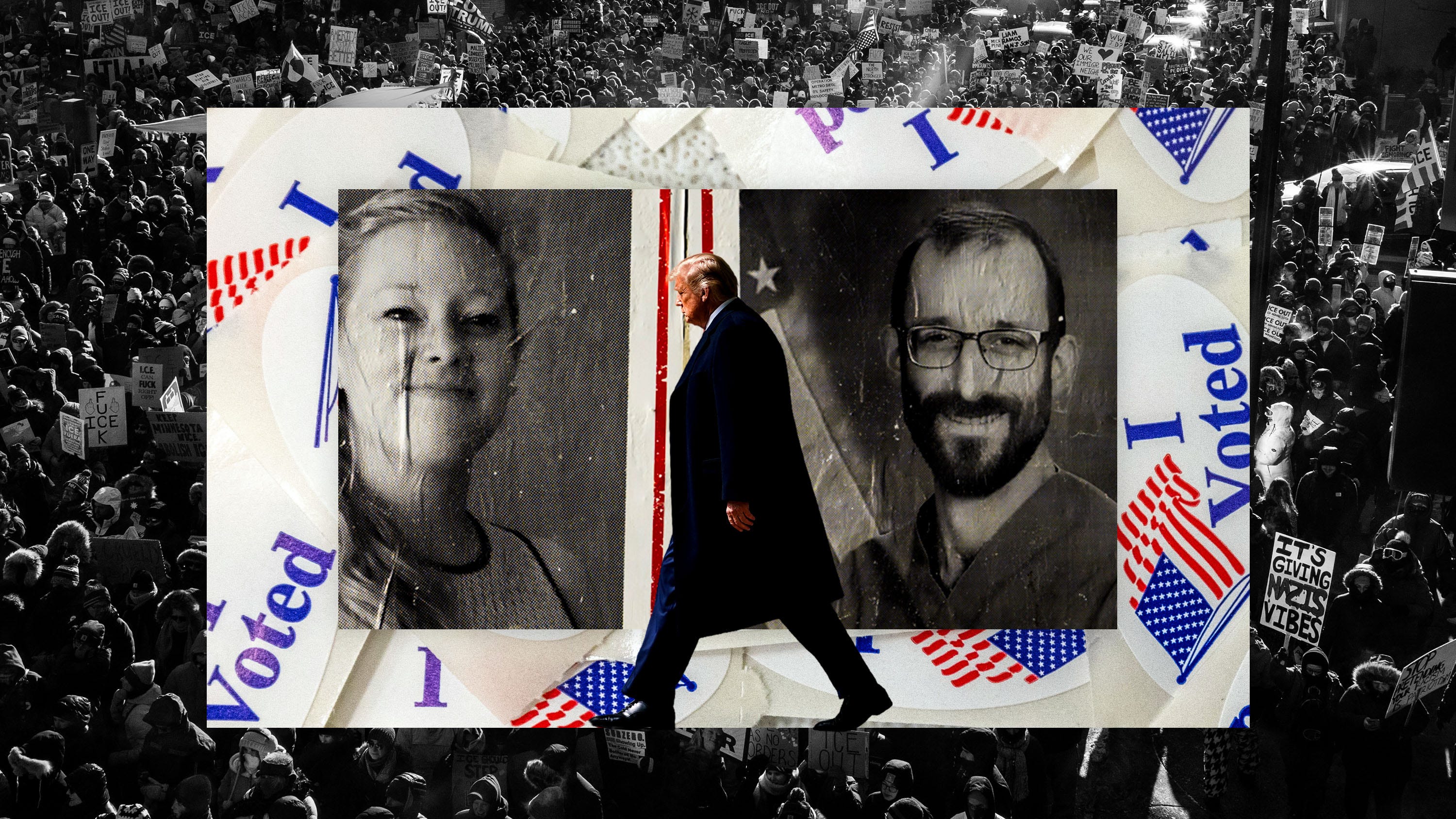
Plus: Vivek Ramaswamy’s closing harangue. It’s Election Day, and boy, do we have election coverage for you: Tim, Sarah, and JVL will kick off our election night broadcast at 7:00 p.m. EST on Substack, YouTube, Facebook, and Twitch. Sam and the rest of the Bulwark team will carry us through the night as results come in across the country. Everyone is welcome. See you tonight! Happy Tuesday and happy Election Day. Trump’s Downfall Started in Minneapolis by Andrew Egger So here we are at last. After two years of Donald Trump’s Washington—the idiocy, the cruelty, the malice, the bullying, the bigotry, the hubris, the state violence, the monomania, the cowardice—it’s finally time for the president to make the first payment on the bill. Barring a catastrophic polling error (and when has that ever happened?), Americans seem set to deliver a colossal rebuke to Trump, who stormed into office last year ready to crack heads and is now doddering out the last days of his trifecta ranking asses. The big political killer was Iran. Trump’s disastrous Middle East war fractured his coalition and doomed the country to a year (or more!) of terrible economic vibes. A week into the war, Trump’s approval rating was sitting north of 42 percent; it’s been slumping lower ever since. Nothing makes price-conscious Americans reach for their pitchforks like spiking energy prices. But I think that the turning point in Trump 2.0 actually came a little earlier. The thing that convinced Trump he needed to beat a retreat on a core part of his domestic agenda was his fiasco in Minneapolis. It’s only been a year, but it’s already easy to forget just how big a part large-scale state violence against Democratic protesters played in Trump’s plans in 2025. Over and over, the White House launched remarkable provocations against blue cities and states, from Los Angeles to Portland to Washington, D.C. These actions weren’t just intended to cow Democratic leaders. They were intended to stoke deliberate conflict between militarized agents of the state and people on the ground—conflict that Trump and MAGA could then repackage as content for their base. Amid Trump’s many simultaneous assaults on the norms and laws that restrain the presidency, this content served a specific rhetorical purpose. In videos of riots and clashes with protesters, Trump’s government represented the forces of order, while those who opposed him were the forces of chaos. The law, Trump’s violence argued, wasn’t some bunch of buzzkill rules dorks and eggheads used to rein in great men like him. The law was pepper spray in an angry protester’s face. As I wrote last October: Trump goes out of his way to start conflicts. He wildly exaggerates the horrors of daily life in blue cities. He sends the National Guard in a shock-and-awe show of force into those same places. In the protests and clashes that result, he tells them the only way they can err is by pulling their punches. You’ve got to teach these criminals, he says, the only way they understand. They spit, you hit. And “criminals” are whoever Trump says they are. When he ordered ICE into Minneapolis, Trump was just following the natural progression of this plan. But the plan quickly met disaster. ICE’s clownishly brutal occupation of the city spurred ever-increasing organized resistance from locals, who tracked ICE vehicles and made their job consistently irritating and difficult—blowing their cover by following them with blaring horns and shrieking blowing whistles, organizing deliveries of groceries and other materials to terrified immigrants wouldn’t have to risk leaving their homes, and so on. And videos of irritated agents lashing out at annoying but law-abiding and peaceful protesters started to turn public sentiment against the occupiers—even before things went catastrophically wrong. And then came the deaths of Renée Good and Alex Pretti. More than anything else, these two instances of shocking police violence against peaceful protesters turn…
Andrew Egger ·
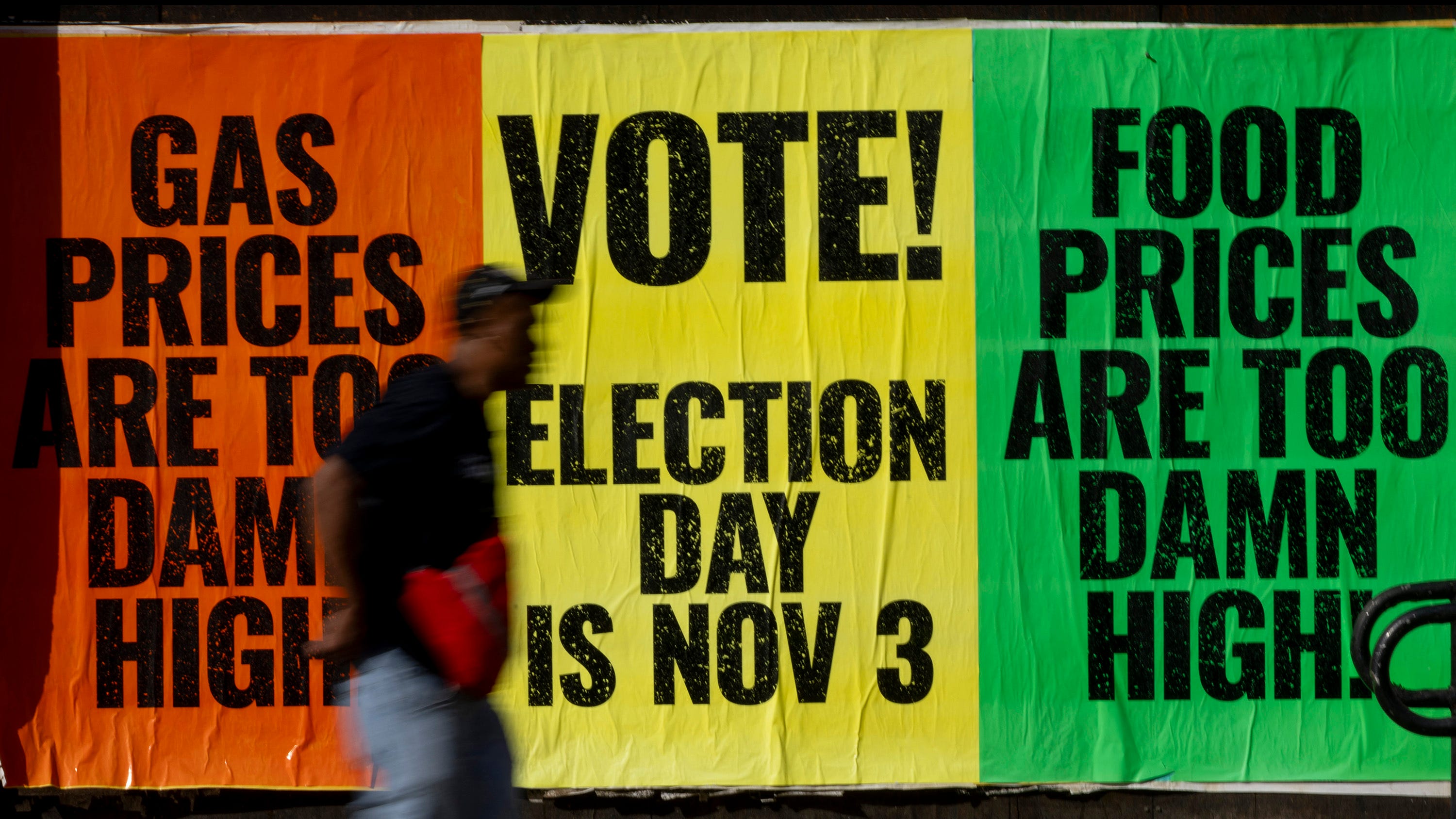
But what possible reason is there to vote for him? TRUMP WAS RIGHT ABOUT ONE THING: He is functionally on the ballot. And though some of the MAGA faithful may be motivated to vote because Trump revealed that he was a “freaking genius” for having passed three tests of cognitive decline, or because he was robbed of a Nobel Prize again, or because they believe that he will send them a $5,000 check if and only if the GOP wins, or because they think the Reflecting Pool was sabotaged by Communists, the majority of Americans will be treating his implicit presence on the ballot very differently. They view this election as a referendum on his performance in office. All midterms are referenda on the sitting president, so Trump needn’t have pleaded with his base. On the other hand, his base is shrinking, which may be why he is reduced to offering bribes It’s hard to think of an election in which an incumbent party has had less to offer voters. The MAGA Republican party is given to vituperation all the time, but in 2024, they at least had issues they could plausibly hit Democrats on, inflation and the border chief among them. Today, those issues favor the Democrats, so the Republicans have only shrill and juvenile name-calling in their quiver. There are, I guess, still millions of Americans who thrill to the music of MAGA, but the music has lost its magic for a big chunk of GOP voters. The percentage of Americans who strongly approve of Trump’s performance, the Economist/YouGov polls found, dropped from 34 percent in January 2025 to 18 percent in April 2026. A Reuters/Ipsos poll conducted in August found Trump’s strong approval even lower at 13 percent. Picture MAGA voters slinking off to their man caves, shaking their heads. Why should Republicans, even die-hard MAGA Republicans, be eager to pull the lever today? According to an April Gallup poll, a whopping 55 percent of Americans said their personal financial situation was getting worse. And that, for better or worse, is what drives voting decisions. It’s not the threats to invade Greenland or to close down hostile media, or taking Putin’s side in the Ukraine war. It’s not the corruption of criminal justice or the illegal attacks on boats in the Caribbean, or plundering Venezuela while leaving its corrupt, dictatorial government in place. No, the thing that sours voters is the price of gas, the cost of ground beef, and the availability of affordable housing. A Financial Times/Focaldata poll released yesterday found that only about 42 percent of Republicans approved of the president’s handling of inflation (just 20 percent of voters overall said the same). The sense that the economy is suffering because of Trump’s policies is arguably a big part of what’s driving down his support among constituencies in which he made gains in 2024: African Americans, Asians, Hispanics, and young people. A Reuters/Ipsos poll found that only 30 percent of those who voted for Trump in 2024 were very enthusiastic about voting in the midterms, compared with 48 percent of those who voted for Harris. Trump pleads that voters pretend he’s on the ballot, but he has lost support among every major demographic group including “double-digit drops among Hispanics, men, rural and suburban voters, people without college degrees and evangelical Christians.” The survey gives the impression that the only core MAGA constituency that’s more enthusiastic about Trump now is the plutocrats who were only in it for the money. What about the old reliable MAGA talking points? No new wars? That’s a problem. Not only is the Iran war costing Americans in the pocketbook; not only was it never explained or justified; not only is it dragging out with no discernible end point; not only is it dangerously depleting stocks of missiles and bombs, but the United States seems to be losing. Even among Republicans, approval of Trump’s handling of the war is steeply declining, according to polls by CNN/SSRS, from 73 percent support in March to 60…
Mona Charen ·

With Republicans fearing electoral doom, right-wing pundits send their audience to the bunker. ROUGHLY TWENTY-FOUR HOURS FROM NOW, the Republican party could be looking at a set of catastrophic results in the midterm elections. If polls are to be believed, the party’s defeat could be severe enough to represent a repudiation of the party’s entire direction over the past decade. Yet pro-Trump media figures are urging their audiences to focus their attention on an even more dire possibility: a total global apocalypse. Whether it’s the prospect of a world-ending war, a debilitating cyberattack, or some other kind of catastrophe, luminaries on the right increasingly feel the end may be nigh. Much of these media figures’ focus for the past week has been on the idea that Western governments are hiding the fact that an unnamed apocalyptic event unrelated to the midterms is imminent. “I want to tell you to prepare for impact,” podcaster Glenn Beck warned his audience on Wednesday. The apocalypse fever sweeping the right has been embraced by pundits like Beck and former FBI deputy director Dan Bongino, and has prompted one Republican congressman to try to allay those fears by insisting that no sort of “shit hitting the fan” scenario is about to occur. Still, the pervasive idea of coming civilizational collapse has prompted a wave of prepping advice on the conservative internet. The disaster watch began in late October after
Paid postWill Sommer ·
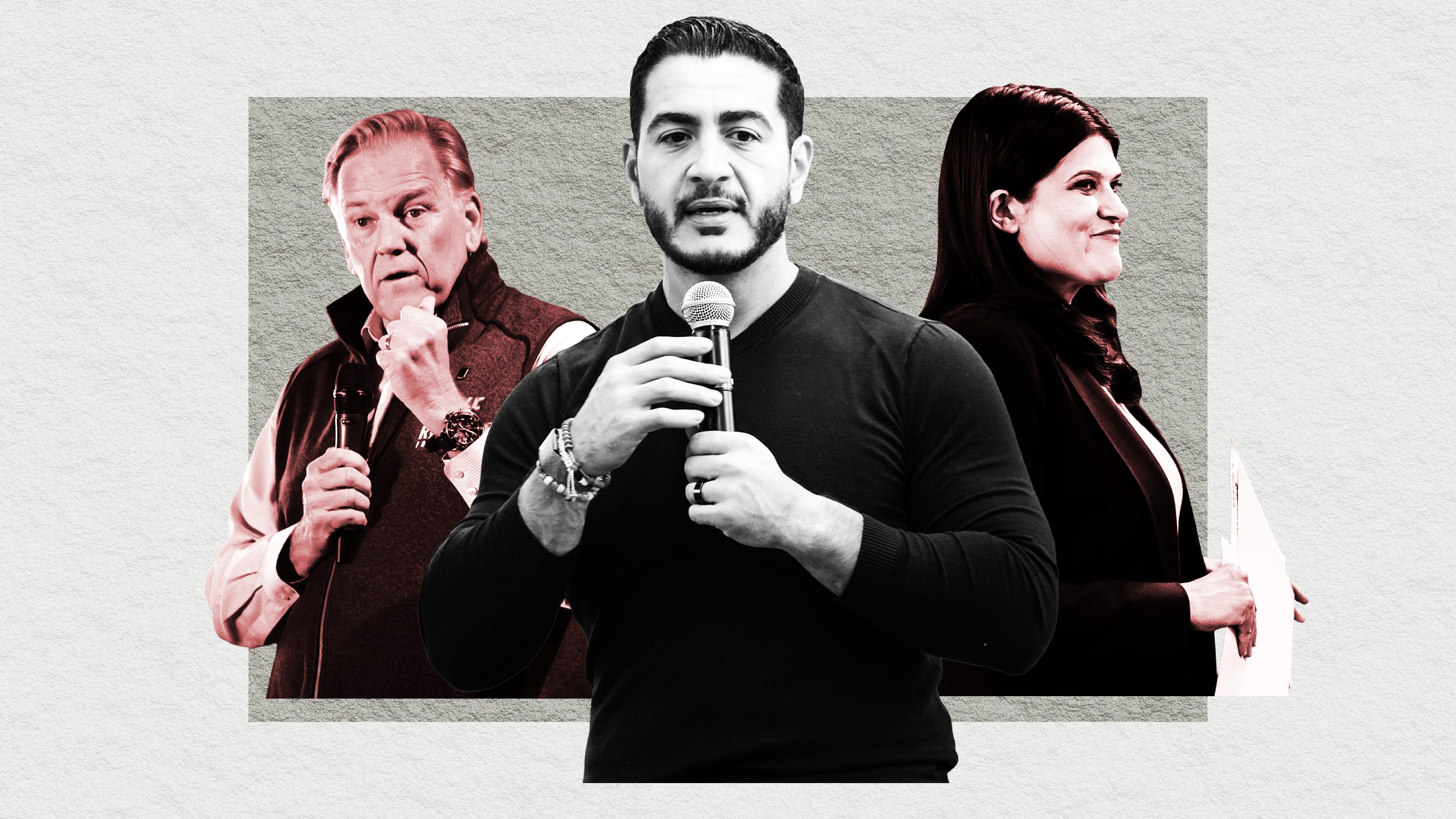
Haley Stevens’s stunning defection, a fundraising surge, and a possible Senate majority in the balance. Detroit, Michigan ABDUL EL-SAYED STOOD on the steps of a small brick church, staring at the dozens of cameras and microphones pointed in his direction—and strangely defiant in what was shaping up to be the worst day of his U.S. Senate campaign. It was early Sunday afternoon, just hours after his onetime rival for the Democratic nomination, Rep. Haley Stevens, had announced she was endorsing Republican nominee Mike Rogers. Just to make things worse, Stevens had announced her endorsement by joining Rogers at a large black community church, making a play for voters that El-Sayed had lost to Stevens in the primary and that he was struggling to win over fully in the general. The church where El-Sayed appeared was also a black congregation. The whole point of the day’s “Souls to the Polls” event was to rally those still-skeptical black voters. And to do that, El-Sayed had brought key supporters including James Clyburn, the senior House Democrat and civil rights veteran who had endorsed Stevens in the primary. Now, after Stevens’s bombshell, attention wouldn’t be on Clyburn’s support, or El-Sayed’s proposals for black Michiganders. All anyone seemed to care about was the rift between El-Sayed and Stevens. Amid the bustle, El-Sayed refused to concede the rhetorical ground, reacting instead as he always does when he doesn’t like the question: He challenged the assembled reporters to ask something different. “None of this matters—guys, guys, guys,” El-Sayed said, trying to shush the crushing mob of reporters that left poor Don Lemon standing in a shrub. “There’s a family—you can go like fifteen minutes that way, or fifteen minutes that way, or fifteen minutes that way,” he said, pointing left, right, and straight ahead. “And there are families who are preparing to send their kids to schools tomorrow that look like they did fifty years ago. They’re worried about what they’re going to feed their kids for lunch. They’re worried that if one of their kids gets sick, they’re not going to be able to pay the bills. Those are the things that matter.” The gambit did not work. After two futile attempts to solicit questions about something other than the Stevens saga, Roxie Richner—El-Sayed’s 24-year-old communications director—declared the press conference over. El-Sayed and the assembled dignitaries retreated back into the church for the proceedings, in what looked like a prelude to bigger defeats. And maybe it was. The Rogers campaign has shown signs of life in just the last two weeks, for the first time attracting modest crowds to its events. Rogers himself has seemed more at ease in his speeches and interviews, having finally gotten some practice after dodging scrutiny while running uncontested in his party’s primaries. Meanwhile, ads attacking El-Sayed as too extreme are saturating the airwaves and internet, and filling Michiganders’ mailboxes. Many tap unabashedly into anti-Arab or anti-Muslim bigotry. But by Sunday evening, there were signs that El-Sayed might get through the Stevens fiasco just fine, or maybe even in a stronger position. It was a scenario that El-Sayed advisers and supporters had suggested after news of the Stevens endorsement broke, and it hadn’t seemed especially plausible until a loud, furious chorus of her fellow Democrats started denouncing her. Later came word from the El-Sayed campaign that it had raised $2.4 million in the hours following the Stevens news and the publication of the final New York Times/Siena poll, historically among the most reliable, showing El-Sayed ahead by 11 points. And then later in the evening, Stevens went on CNN to talk about her Rogers endorsement—in a performance even her longtime allies described as a train wreck. It was a wild twist to a wild day, following a wild few days that showcased both the promise and the peril of El-Sayed’s candidacy, on which not just Michigan’s Senate seat…
Jonathan Cohn ·

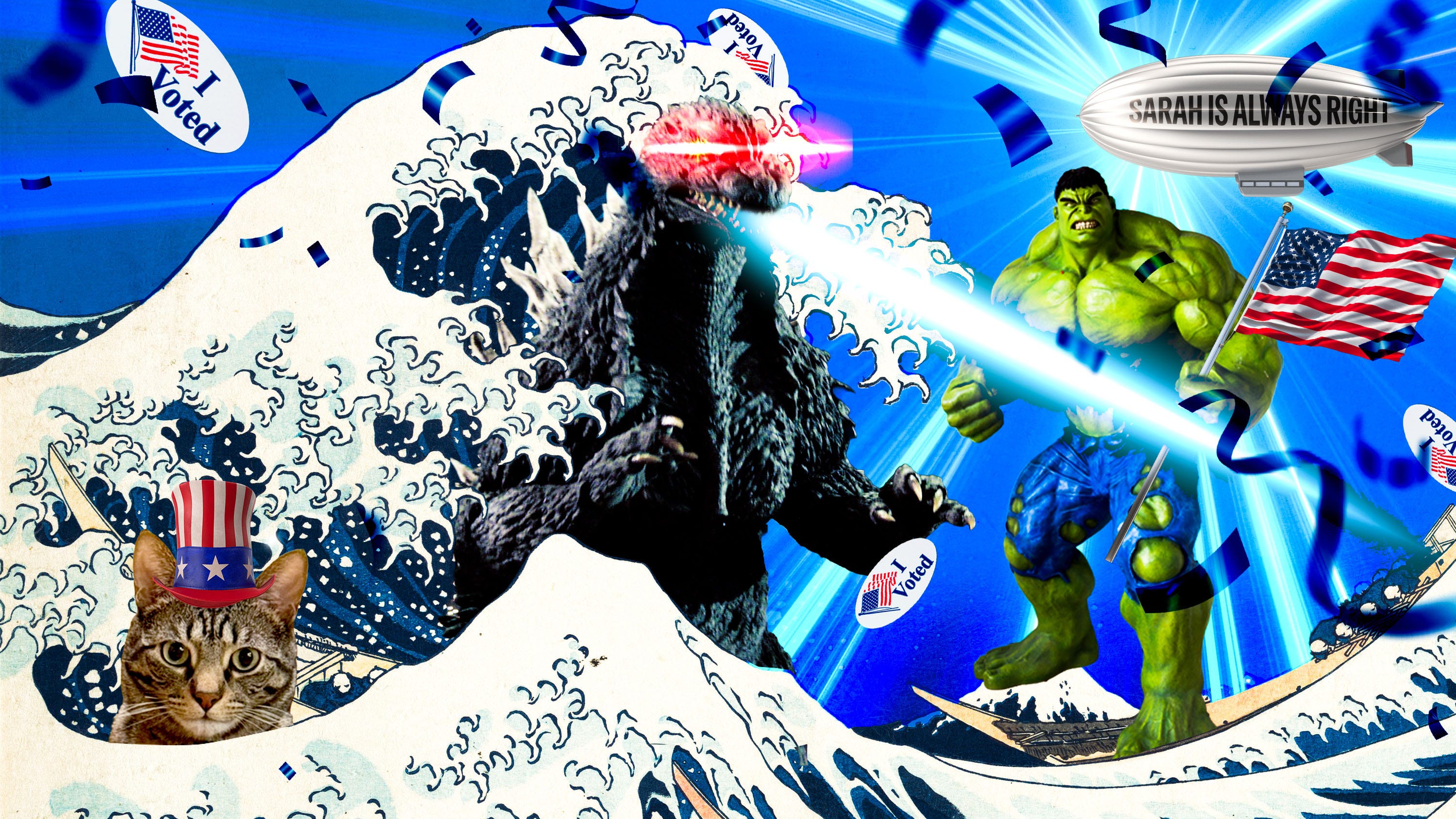
HULK SMASH? 1. The Double Nickel We’ll get to everything. Trust me. But I want to start with the picture of a wave. The dotted line is what our probabilistic outcomes looked like a month ago. The blue line is where we are today. The wave is gathering energy. This isn’t hopeium. It’s happening. The modal outcome has shifted from 52 seats to something like 54 seats. That shift might still be happening. I don’t think the polling has caught up to the facts on the ground. I’m going to make the case that the most likely outcome is now either 53 or 54 Democratic senators. And then I’m going to tell you where I’d put my money. Spoiler: It’s not 53 or 54. Let’s dive into the Kaiju Tsunami. Guys this is it. Last Triad before the votes get counted. I want you guys to ride with us as we FINALLY get to see bad things happen to bad people. Let’s do this and be legends.
Paid postJonathan V. Last ·
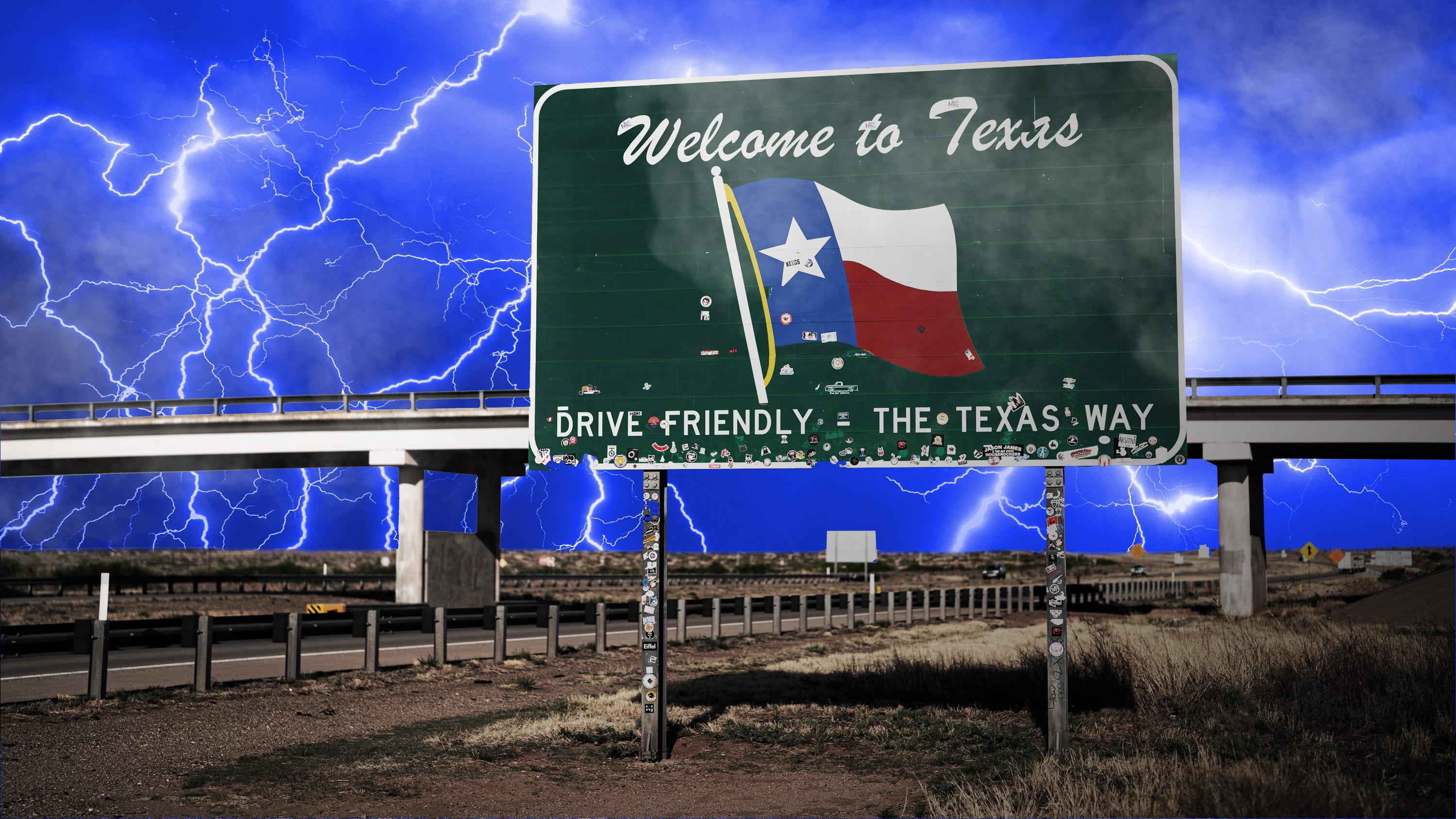
In the reddest of states, a perfect storm offers Democrats their best chance in two generations. Weatherford, Texas “It’s not the heat, it’s the humidity.” When used to describe the outdoors, this phrase is scary enough. It conjures up visions of stagnant, swampy air, sweat that won’t evaporate. But I had never really considered what it meant when applied indoors. I’d find out in Weatherford, as hundreds crowded into an un-air-conditioned warehouse area at the recently erected JRJ Construction building. Turns out it’s neither the heat nor the humidity that gets you, but the smell, a sort of moldering fetidity that lingers just above the crowd like smog. It had been a journey to get inside the room: ninety minutes and some $40 of tolls headed west from Dallas to a few miles outside Fort Worth, followed by shuttle buses from the parking lot at the Parker County Sheriff’s Posse Rodeo Grounds & Event Center to JRJ, where I joined a winding line that took an hour before passing through the metal detectors. Rather than zip in with members of the press, I had signed up for general-admission tickets—hey, I’m a Texas resident; maybe my vote could be swayed—and so got to mingle with my fellow voters before entering. It was a bigger crowd than I expected, not huge by the standards of presidential rallies—but then, the president wasn’t here, and we were well over a thousand people strong for Trump’s backup act. I was a little surprised so many people had shown up to this rural locale, as it was the eighth time that either Trump or Vance has been in Texas for a midterm rally. And that’s all since the nearly unprecedented midterm convention in Dallas back in September. Unable to handle the smog, I stepped outside to grab a bite (a pleasingly overstuffed chopped-brisket sandwich from the Tailgaters BBQ food truck, $13) and contemplate just how we got to the point where Texas is a genuine battleground state—at least for one cycle. Walking past the captive audience was a pair of merch vendors pushing carts full of garish Trump gear. (The highlight: an item that appeared to be socks emblazoned with Trump’s face and topped with a fringe of orange hair.) “Don’t have a Trump hat, you’re pretty much a Democrat,” one of the barkers intoned. Judging by the crowd, that seemed about right. Surprisingly, when I asked one of the swag sellers later what the most popular hat was, she said it was the pink fuzzy one. Men and women alike in Texas went nuts for them: “It’s different in Texas.” It struck me as an amusingly incongruous statement, given the tenor of the afternoon’s event, which featured speaker after speaker warning that James “Talafreako” was going to make your kids trans before forcing them to get gay-married to prove to the rest of the country that Texas could be made to submit to the liberal agenda. I am only barely exaggerating. Jace Yarborough, the Republican candidate in Texas’s 32nd Congressional District, insisted that no one in the crowd would apologize for fighting “trans ideology.” Mays Middleton, running for state attorney general, insisted that “we gotta protect our kids from people like James Talarico.” Another politician, whose name I unfortunately missed but have chosen to think of as Rep. Grinds My Gears (R-Tex.), enumerated his “tired-of” list. Among the things he’s tired of: “the transgenders” and “Bibles being taken off shelves.” JD Vance took the high road and instead focused solely on the administration’s many accomplishments. Wait, sorry, I’m checking my notes: Vance joked that Talarico doesn’t need to grapple with his masculinity because “there ain’t a lot to grapple with” and that “Talafreako” was handpicked by devious Washington, D.C., suits because they thought he was more electable despite “talking about his favorite drag queens or how there are six genders or about how whiteness is a disease.” The rally put into stark relief the terms of the desperate Republican effort to stave off a generational defeat in Texas: It’…
Paid postSonny Bunch ·

Is this the decisive repudiation of Trump we’ve been waiting for? One day to go. Happy Monday. A Time for Voting by William Kristol Abraham Lincoln’s second inaugural address is justly famous for the soaring, biblical cadences and the complex philosophical arguments of its great third paragraph. “The Almighty has His own purposes.” The opening paragraph of the speech is, by contrast, strikingly prosaic and matter-of-fact. It’s as if, before getting to his weighty remarks about morality and history, Lincoln wants to remind us that politics is also an arena of power and action: Now, at the expiration of four years, during which public declarations have been constantly called forth on every point and phase of the great contest which still absorbs the attention and engrosses the energies of the nation, little that is new could be presented. The progress of our arms, upon which all else chiefly depends, is as well known to the public as to myself, and it is, I trust, reasonably satisfactory and encouraging to all. With high hope for the future, no prediction in regard to it is ventured. Right now, I’m in sync with that matter-of-fact Lincoln. At the expiration of years “during which public declarations have been constantly called forth on every point and phase of the great contest which still absorbs the attention and engrosses the energies of the nation,” I too suspect—at least for now, at least for today—that there’s little new to say. I also think that is “the progress of our arms”—in our case, the casting of our votes—“upon which all else chiefly depends.” The talking is done; the voting is what matters. And I also follow Lincoln in believing that the prospects in November 2026, as they were in March 1865, are “reasonably satisfactory and encouraging.” We are on the cusp of a thoroughgoing defeat for Donald Trump, his administration, and his party. That is not something we could have taken for granted. On key occasions over the last decade, we’ve fallen short. In 2018, Democrats picked up forty-one seats and flipped the House—but Republicans gained two senate seats and strengthened their hold on that body. In 2020, Trump was defeated, but not in a landslide, and Republicans gained thirteen House seats. Then, following the insurrection and Trump’s impeachment, the Senate failed to convict him. And while Democrats did relatively well in the 2022 midterms, Republicans still managed to regain the House. And about 2024, the less said the better. In other words: Since Trump entered national politics in 2015, there’s never been a decisive electoral repudiation of him. This year looks likely to be that. Now I’ll hasten to stipulate that 2026 is only a midterm election, and that presidential elections matter most. Still, 2026 is an unusually significant midterm. Think of what it would mean for our future if Trump had remained popular over the last two years, if his policies were viewed with relative approval, and if he were about to suffer only a minor midterm setback. Trumpism would still be an ascendant political movement. That is not where we are. Instead, 2026 looks as if it will be a clear repudiation of Trump and Trumpism. Democrats are very likely to flip both the House and the Senate and, indeed, are likely to end up with comfortable majorities in both chambers. For example, the final New York Times/Siena polls released last night of seven battleground Senate states—Alaska, Iowa, Kansas, Maine, Michigan, Ohio, and Texas—show Democrats ahead in six of those races, and effectively tied in the seventh. As the Times notes with some astonishment, Democrats hold sizable leads in Texas, which has not elected a Democrat to the Senate since 1988, and Kansas, which has not elected one since 1932. As Nate Cohn put it: “In today’s polarized era, there’s no precedent for a party to fare this well in so many states that are generally safe wins for the other side.” He cautions judiciously that the polls may be overstating Democratic strength.…
William Kristol ·

You don’t have to love Democrats, progressives, or the left to know what to do. THE MIDTERM ELECTIONS are upon us, and the Trump administration is doing everything it can think of to remind us why we should be hoping for the Republicans to go down in a blue tsunami. Donald Trump and his minions flirt more brazenly than ever with Vladimir Putin’s Russia while trashing Ukraine. Trump, speaking at a rally, brags that “we’re making a freaking fortune” in oil-industry profits and mocks concerns about “people suffering at the pump.” The mass-deportation regime crosses yet another line of indecency with the planned expulsion of more than 150 legal immigrants and asylum seekers from Afghanistan—including family members of people who helped American troops—to Pakistan for transfer into the hands of the Taliban. Meanwhile, Trump reportedly rails against a former adviser over a $50 million pardon-for-pay deal—because he didn’t get a cut of the money. His public meltdowns are getting more and more unhinged: When he isn’t ranting at a reporter for being out of shape, he’s gushing about men’s derrieres. Also, the Department of Justice takes its third crack at carrying out Trump’s vendetta against former FBI director James Comey, filing a third case while one earlier case remains pending and another was dismissed. As they said in Joseph Stalin’s USSR: “Show me the man and I’ll show you the crime.” Or three crimes. Oh, and White House and cabinet officials are making racist Halloween posts. Happy Election Day, kids. AFTER DONALD TRUMP won in 2024, some right-wingers said things like this: Well, that, as they say, aged like fine milk. Most sane people’s reaction to that post today would be Actually, whatever I might have written down after Election Day 2024 would have been no match for what really happened. Would your piece of paper have had any of these: Trump, seconded by Vice President JD Vance and by other administration officials, makes repeated threats to invade Denmark? Trump starts a war with Iran (after throwing pro-democracy protesters to the wolves), repeatedly declares victory, and screws it up so badly he has to cite it as a plus that Russia didn’t help Iran more? Two U.S. citizens get shot dead in the streets by federal immigration officers? After a mass pardon of January 6th insurrectionists, about a hundred get arrested on new charges including ones of sex crimes against children, and several try to argue that the clemency applies to unrelated offenses? Trump tears down the East Wing to build a ballroom bigger than the White House itself? Trump puts a photo of an autopen where Joe Biden’s picture should be in the White House gallery of his predecessors and proudly shows it off to baffled foreign leaders? The Trump Department of Defense orders strikes on boats on mere suspicion of drug trafficking, almost certainly murdering innocent people in the process? The Trump administration basically shuts down refugee admissions except for white South Africans fleeing a mythical genocide? Trump publicly berates Norway and calls it a “shithouse country” because he didn’t get the Nobel Peace Prize? Trump’s secretary of health and human services pushes the vaccine/autism hoax? And the list could go on and on. Yes, Orange Man is bad, actually. I WANT TO TAKE A MOMENT to address people who agree that Trump and the Republicans are deeply flawed but are reluctant to vote against them (which obviously means voting for Democrats) because of the “woke left,” or DEI, or DSA. It’s hardly unreasonable to be critical of the left generally, or of specific subsets of progressivism, for overreach or toxicity or bad policy ideas. Rep. Alexandria Ocasio-Cortez’s comment that “Woke 1.0 was crazy” has become something of a meme, and I think it’s important to acknowledge that it was often damaging to careers, reputations, free expression, and the social climate. But you have to wear MAGA hat-sized blinders to insist in 2026 that wokeness is worse than—or at l…
Cathy Young ·
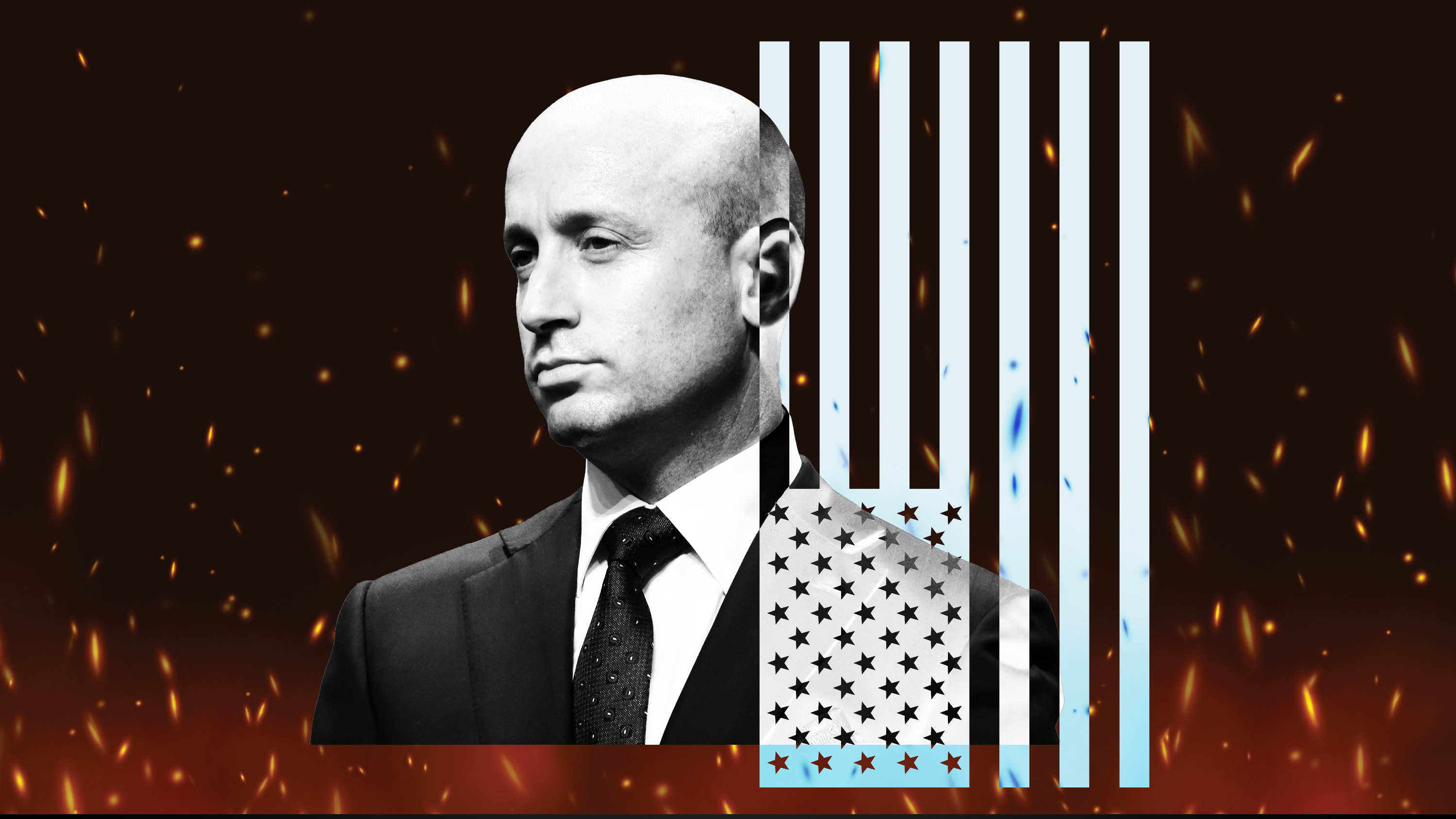
Changing a culture is hard—especially when the people in that culture don’t want you to. AS AMERICANS VOTE IN THE MIDTERM elections, arguments about the economy, immigration, national security, and the performance of our elected officials abound. But beneath the political debates lies a question that deserves more attention: What kind of country do we aspire to be? Last week, Donald Trump hosted an event in the Oval Office to introduce the Justice Department’s new “Fraud Whistleblower Incentive Program,” and his deputy chief of staff, Stephen Miller, used the opportunity to distinguish between people he portrayed as exploiting government benefits—namely refugees and immigrants—and the American taxpayers being robbed by them: The president is describing . . . a criminal conspiracy where a state knowingly aids and admits fraud that’s funneled into these communities. Again, oftentimes migrant communities. They then use those funds to fund the Democrat party. So it’s a self-enrichment scheme that’s being exposed, that is fundamentally a criminal conspiracy. I first grew suspicious of the administration’s attempts to transform American culture in the spring of 2025, when Miller delivered remarks from the White House “about what President Trump has done to secure our values, our culture and our way of life from the unwavering assault from the radical left and the communists and the Democrat party.” He went on to decry “the wave of racial discrimination, so called diversity, equity and inclusion policies, that have taken over both public sector and private sector entities,” and promised that “this administration is not going to let our society devolve into communist woke DEI strangulation.” After a disconcerting soliloquy about prison rape and child abuse, Miller promised that “children will be taught to love America, children will be taught to be patriots. Children will be taught civic values for schools that want federal taxpayer funding. . . . For any nation to be successful it cannot teach its children to hate themselves and to hate their country.” Miller and the rest of the Trump administration have been explicit about their desire to reshape our society, from what children are taught in schools to how Americans understand equality, national identity, immigration, and patriotism. But I wonder whether they truly understand the complexity of what they are attempting. LEADERSHIP, VALUES, CHARACTER, and organizational culture are interrelated. I’ve commanded military organizations with tens of thousands of soldiers, worked with physicians and hospital executives to transform health care organizations, and taught business leaders struggling to change their companies’ cultures. In almost every instance, the challenge was far more complicated than the leaders initially imagined. Culture is not a policy memorandum, a strategic plan, or a collection of slogans posted. It is the accumulation of history—the good and the bad—made up of our shared experiences, traditions, values, and behaviors. It is reflected in what people believe, how they treat one another, what they consider acceptable, and what they are willing to defend. Leaders certainly influence culture, but every individual also shapes it. One of the first lessons leaders learn when attempting to change culture is that authority and influence are not the same thing. A CEO can change organizational structures, revise policies, replace executives, and change performance standards. A military commander can issue lawful orders, establish priorities, and enforce discipline. But genuine cultural change requires credibility, trust, consistency, and, perhaps most importantly, a willingness among all members of the organization to embrace the values their leaders claim to represent. A leader’s most powerful tool to change a culture is personal example. People watch what leaders do far more closely than they listen to what leaders say. When leaders preach integrity but practice deception, d…
Mark Hertling ·

Pro-democracy groups have spent months prepping for an election crisis—and confronting what happens if their defenses fail. THEY FLEW IN FROM AROUND THE COUNTRY: Some 250 lawyers, policy experts, communication staffers, and other leaders from the American Civil Liberties Union huddled in a hotel conference room in Philadelphia last April trying to figure out what to do if American democracy goes to shit. For two and a half days, the group walked through twenty-five variations on how Donald Trump and his allies might mess with the midterm elections. The scenarios ranged from Trump casting doubt on the results without evidence, to interference from the Justice Department, to the deployment of ICE or the National Guard at the polls, to the refusal by Republican leaders in Congress to seat Democratic victors. Such hypotheticals had been discussed publicly and privately before. What the ACLU was trying to do at that gathering was to wargame what effective responses would look like—and to explore a more uncomfortable question: What if no response comes together? The participants wrote up mock press releases and came up with advocacy, legal, and organizing game plans. They made state-specific plans and worked through who, in each scenario, would be their first call: the state attorney general, the election director, or some other figure. Lending a feeling of urgency to the proceedings was some breaking news: As the participants worked through the scenarios, the Supreme Court announced its ruling gutting Section 2 of the Voting Rights Act. ACLU officials told me that while they weren’t surprised by the ruling, they were caught off guard by how quickly Republican-controlled states rushed to carve up the electoral power of black voters in the South—underscoring the importance of the work they were doing. And one other theme emerged as the conference went on: More than in any previous election, this year’s midterms would be contested in states with known election deniers in positions of power over election administration. “It’s hard to imagine that these people who have gone to such trouble, to such lengths, to try to take power, are going to just peacefully accept the results,” Deirdre Schifeling, the ACLU’s chief political and advocacy officer, told me. “We are prepared on all fronts,” Schifeling said. The ACLU is not the only pro-democracy organization that has been engaged in this type of preparation in the leadup to the midterms. In fact, in nearly a dozen conversations with officials at civil-society groups and Democratic-aligned organizations this week, it became clear that quietly, behind the scenes,
Paid postLauren Egan ·

Democrats agree on reversing Trump’s cuts. Tuesday will determine what bigger plans they’ll consider. Ypsilanti, Michigan THE MIDTERM ELECTION IS ABOUT a lot of things: gas prices and groceries, the spread of corruption, and the future of democracy. And yet, as much as any single issue, it’s about health care. You can tell by listening to all the Democrats talking about high deductibles, drug costs, and insurance companies as they campaign around the country. Or you can tell by reading all the public-opinion surveys in which voters consistently rank health care as one of their top concerns. But if you really want to know why this is a health care election, your best source isn’t the politicians or the pollsters. It’s the people on the front lines. One of them is Raymond Rion, a family medicine physician and executive director of Packard Health, a small network of clinics spanning Ann Arbor and Ypsilanti on the western outskirts of the Detroit metro area. Packard is what’s known as a Federally Qualified Health Center, where anybody can get care regardless of income or insurance status. And like similar safety-net providers all over America, for the past decade it has benefited directly from the Affordable Care Act. “We almost went bankrupt in 2011,” Rion told me in a conversation last week, recalling how in the old days staff at Packard would work the phones furiously to get supplies and find specialists who would take referrals. Now many more patients have either Medicaid or private coverage they’ve purchased through HealthCare.gov, the online marketplace that the law created, so that the proportion of uninsured patients has fallen from around one in three to one in ten. It’s a lot easier to find referrals for these insured patients, though thanks to the infusion of paying customers Packard can do much more on its own. In particular, Rion said, the organization has opened two new branches, started a pharmacy, begun offering prenatal services, and vastly expanded behavioral health care by bringing on a half-dozen new doctors, nurses, and case workers. Now a retrenchment is underway. Coverage options on the HealthCare.gov marketplace got more expensive because Donald Trump and the Republicans refused to renew temporary subsidies that had been reducing the price of insurance. On top of that, the first cuts to Medicaid as part of last year’s “One Big Beautiful Bill” are starting to take effect. Rion told me Packard has already laid off a provider in anticipation of less revenue next year. Patient volume is down, he went on to explain, in part because uninsured patients sometimes avoid care altogether out of fear a single visit will lead to more treatments with more bills. And postponing care in that way can have serious medical consequences, as his colleague Ron Romero told me. “So you have somebody with diabetes, their chronic condition isn’t getting cared for,” said Romero, who like Rion is a family physician. “Their sugars rise, and they end up having other medical problems. Their kidneys start to get damaged. They start to have eye damage. They increase risk for heart attacks and strokes. . . . They end up in the emergency room.” And things are likely to get worse. Partly that’s because next year most of the remaining Medicaid cuts will take full effect, throwing more people off coverage. And partly it’s because forces that have nothing to do with Trump or Republican actions are making medical care more expensive for everyone, including those with employer insurance and Medicare. That will lead to still more people delaying or skipping care, ending up in the emergency rooms, and putting yet more cost pressure on providers. Rion wasn’t taking a position on the election or political parties, he made clear. He was just describing the reality he sees around him: “The whole system is being pressured. Nobody is immune to this stuff.” He’s right. And here’s the thing: This has all happened before. We know happens next.
Paid postJonathan Cohn ·
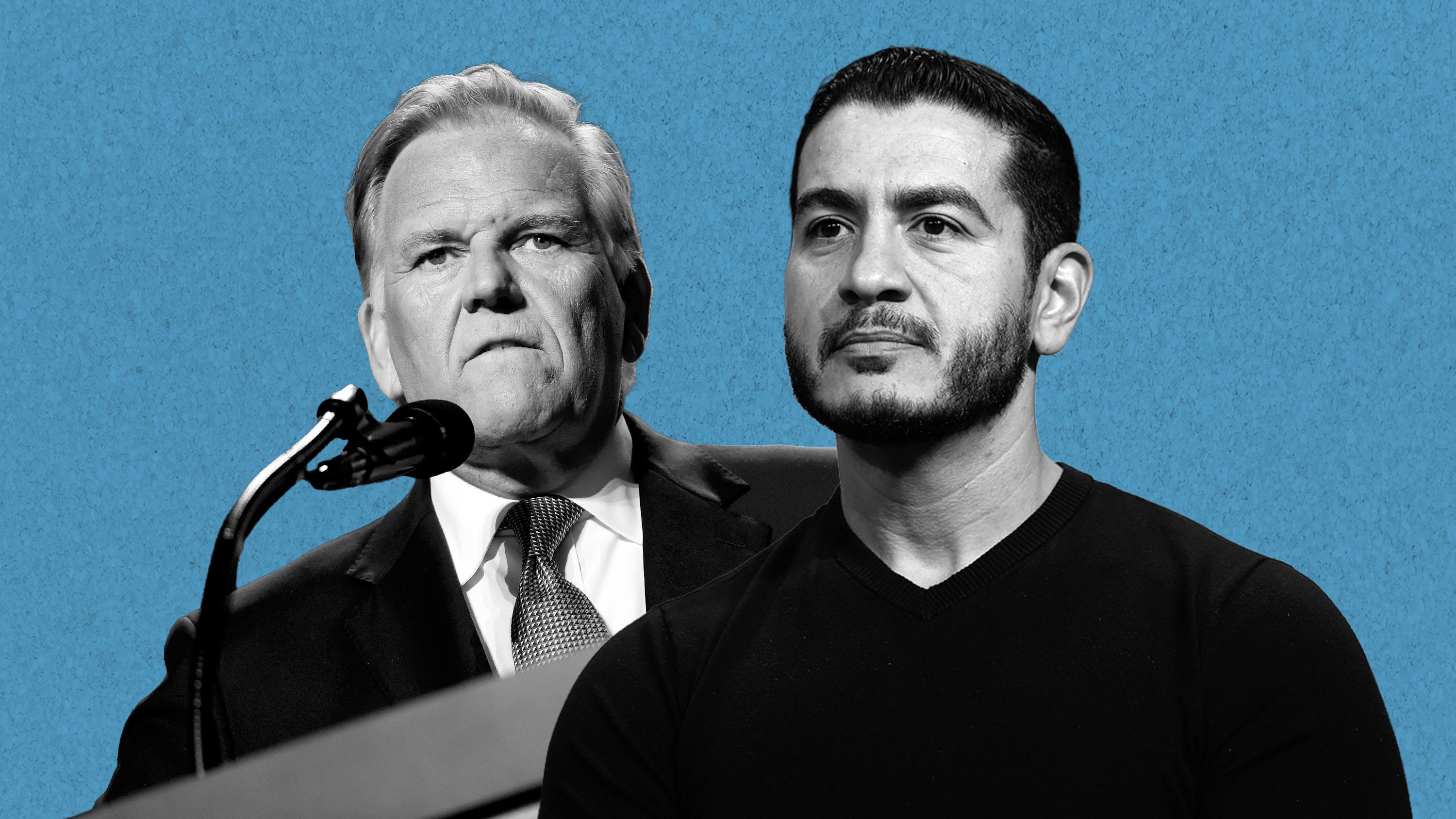
What we learned from ten gettable Trump voters. MICHIGAN HAS ONE OF THE FEW Senate races where Democrats seem poised to underperform the national environment. Part of that is because the party’s internecine fighting simply won’t die, and no one involved—from Abdul El-Sayed to his primary opponent Haley Stevens to her fiancé Jason Turkish—seems inclined to end it. But another part is owed to the cartoonishly bigoted attacks that the Republicans have directed at El-Sayed. To date, Sen. Ted Cruz has called El-Sayed a “jihadist leprechaun,” said that “Americans will die” if he were placed on the Senate Intelligence Committee, and warned that if he learned that a group of terrorists were about to be apprehended, he would “let those terrorists know.” Cruz and other Republicans (including Rogers) have claimed El-Sayed is a supporter of the Muslim Brotherhood. Sen. Bernie Moreno has said we can’t have a senator who hasn’t accepted Jesus as his savior. And a speaker at a recent Trump rally said that having an American birth certificate doesn’t make El-Sayed an American. Mike Rogers claimed in a debate that El-Sayed “can’t condemn Hamas.” A Senate Leadership Fund ad claimed El-Sayed wanted to impose sharia law in the United States. This is, to put a fine point on it, the most bigoted Senate campaign in modern history. Which raises an ominous question: Will it work? To help find out, we convened one last focus group: ten Michiganders who voted for Trump in 2024 but now disapprove of his job performance. Like Stevens’s household, they were pretty divided on El-Sayed, mainly because, likely thanks to some of those attack ads, they distrust him. But the focus group actually wasn’t all bad news for Democrats:
Paid postSarah Longwell ·

Plus: What You Missed This Week From The Bulwark Happy Halloween 👻! Once you’ve recovered from tonight’s spooky activities, hang with the gang tomorrow night for a preview of what to expect on Tuesday. Sunday’s members-only live stream starts at 8:30 p.m. ET. Tim Miller, Sam Stein, Lauren Egan and more of the Bulwark fam will be covering the latest races and taking your questions, which you can drop in the comments of this post. So grab your favorite beverage, candy, kick back your feet and tune in to prepare for the week ahead. 🚨OVERTIME🚨 Happy Halloween! As the elections approach, I’ve been thinking a lot about our friend Shane DiGiovanna, whom we lost this year. Shane loved elections—and especially the maps. I would have loved to hear his take on this year’s electoral map and what it might mean for 2028. He’ll be on my mind over the next few days. So many of you donated to his charity after his death, and I want to thank you again. I’ll also be thinking of Shane over the upcoming holiday as I watch The Slightest Touch, a new HBO film about Colin Farrell and his friend Emma Fogarty, who has lived with EB for forty years. 🎵 On the Jukebox…🎵A new single from friend of the newsletter Chris Jones & The Night Drivers, in collaboration with Mountain Home Music Company called See It Now. You can watch Jones talk about it here, but: It’s a song in praise of flip-flopping, or looking at it in a more positive light: it’s a song about coming to a different viewpoint after reflecting and taking a deeper look. Maybe that’s something we should all do more often. Near Gettysburg? Our friends at Principles First are gathering at The Barn Resort on Thursday, November 5, at 6 p.m. for Ours to Keep: What’s Next for the Republic. Two days after the midterms, there should be plenty to discuss about where the country stands… and what comes next. Details and tickets here. Use code gettysburg26 for a treat: free admission! The Great Boomer Bust-out… Hannah Yoest on playing with nomenclature in America’s fractured reality. Congrats to Bryce B…. Who won our World Series prediction contest, picking the Brewers to beat the Rays. His winnings are on their way. And congrats to all Brewers fans out there on this historic win. While baseball is over for now… It is playoff football here in Ohio, and my alma mater is on the move! Here’s an interview with my high school English teacher, the great “Chico” Kyle, who happens to be one of the most successful high school football coaches. He talks about helping kids go from wanting to be the star to wanting to contribute to the team… and why even the star had to get his schoolwork done. Whatever happens in the midterms, we’d all do well to give Chico a listen. Tech support questions? Visit our new HELP Center! Questions for me? Respond to this message. —30— Editorial photos provided by Getty Images and Shutterstock. For full credits, please consult the article.
Jim Swift ·

The families of Alex Pretti and Renée Good are demanding answers. Plus: Remembering Dolores Huerta. MICHAEL PRETTI HAD A STARK MESSAGE at a press conference in Minneapolis this week: “Our son Alex was shot and killed by the government.” After nine months of being stonewalled by the Trump administration, the slain man’s parents are demanding accountability. “We will no longer stay silent about the actions of the Department of Justice,” Michael Pretti said, saying that when it has deigned to communicate at all, the DOJ has lied and obfuscated about their son’s death. “This is not normal. This is not justice. This is morally wrong,” he continued. Michael and Susan Pretti join the family of Renée Good in demanding action from a government that has killed and slandered their loved ones while refusing to hold its agents accountable for their actions. Neither family wanted to take on such a public role; the Prettis make clear they do not want to be seen as political activists. Yet it’s likely that the only way these families—and the many more victimized by ICE—will see real justice is through political action leading to political change, starting with the midterm elections. But the Prettis didn’t foreground politics at their press conference on Tuesday. The main thing they conveyed was their grief. They talked about missing their son—his big heart, his warmth, his humor, his intolerance of bullies. Michael described their tight-knit Midwestern family. He wishes he could chat with his son about cars and hiking. Minnesotans have maintained a memorial for Alex, a subject that brought Susan Pretti close to tears. “I save every post, I save everything that is ever written. It’s my only connection,” she said. “So for everyone that says anything about Alex, we read it, we keep it, we cherish it.” Michael added that they have received over two thousand letters. “[We] read every single word, every single card.” But memories of their son naturally point back to the manner in which he was taken away from them. And as parents and as citizens, they want justice. “Michael and I are not asking for any special treatment,” Susan said. We do not want to be on TV. We are not political activists, nor do we want to become political activists. All we want is justice for Alex. We are here today to simply request that the federal government treat us with the dignity and respect that our son deserves. Dignity and respect would signal a change in the government’s M.O. when it comes to the Prettis, who have received a combination of silence and lies from the Department of Justice about Alex’s death. The DOJ has also refused to cooperate with a state investigation into the killing. “He was peaceful, he was observing, he was not protesting, this was not a protest that Alex was at. His hands were in the air when he was tackled to the ground, he was face down on the ground when he was executed,” Michael said. In the immediate aftermath of the killing, the Trump administration did not reach out to Pretti’s family. Instead, cabinet members went on TV and implied he was a domestic terrorist. “Imagine that your child was killed by the actions of the federal government. Imagine learning that your child had been murdered by watching it on TV. No one from the government called us that day. They didn’t call us the next day nor the next, nor the next 275 days,” Michael said. The Prettis called on Daniel N. Rosen, U.S. attorney for the District of Minnesota, and Attorney General Todd Blanche to “stop shielding Alex’s killers” and to resume sharing information with state-level investigators. Renée Good’s family held a similar press conference earlier this month, announcing the filing of two related civil lawsuits against the U.S. government and against the individual Trump officials who oversaw the failed immigration enforcement operation in Minnesota last winter: White House deputy chief of staff Stephen Miller, disgraced former DHS chief Kristi Noem, former acting ICE dire…
Adrian Carrasquillo ·