Source
The Free Press

The Free Press (CBS News)
The Free Press, formerly Common Sense, is an American media company based in New York City. Founded by opinion writer Bari Weiss and her spouse Nellie Bowles, the company started as a newsletter in 2021, and grew into an associated media company in 2022. Since October 2025, it is an independent entity within CBS News, whose parent company Skydance Corporation acquired it in 2025 for $150 million.
From Wikipedia ↗, text under CC BY-SA 4.0; logo from Wikimedia Commons
- Type
- News outlet on Substack
- Lean
- Right-leaning
- Right-Center+4.1 of ±10
- Mixed4.8 of 10 (lower is better)
- Medium
- Website
- thefp.com ↗
- Feed
- RSS ↗
- Articles stored
- 161
- Tracked since
- Sep 10, 2026
Down: MBFC factual reporting score, 0 most factual to 10 least.
Bias and credibility ratings by Media Bias/Fact Check.
The Free Press on MBFC ↗Publishing rhythm
How many articles The Free Press published over the last 14 days, by publication time, and at which hours of the day.
Top keywords
All keyword charts for The Free Press →The people, places, organizations and topics The Free Press covered most that day, by the share of its stories that mention them. Article counts are shown for context.
No keywords that day yet.
Latest articles

The wife of an Afghan man who once assisted the U.S. military feels ‘numb,’ she tells Frannie Block. ‘They are sending him back to be in danger.’ A 32-year-old man, Ali, is currently sitting in an ICE detention facility in western Louisiana, contemplating whether he is about to die. As soon as today, the United States could be shipping as many as 80 Afghans back to Afghanistan. But Ali’s wife, Hamida, said if he returns, he will be killed by the Taliban. He previously assisted the U.S. military forces in Kabul as a police officer, and the Taliban, who has ruled the country ever since the U.S. withdrawal in 2021, has a long documented history of persecuting Afghans perceived to have assisted the United States, including by subjecting them to beatings, starvation, and other forms of torture inside secret prisons. “We are human,” Hamida told me. “We helped the U.S. government for a while, all of us, directly or indirectly.” She pleads that the U.S. government “believe and trust” that people like her and her husband have only “come here for a better life.” (I am using pseudonyms to identify Ali and his wife, who spoke to me under the condition of anonymity.) On Monday, a group of 66 Democrats from both the House and the Senate signed a letter pleading with Secretary of State Marco Rubio to “cancel” any planned deportation flights to Afghanistan. “Our nation made a promise to stand by Afghans who risked their lives and their families’ safety to stand by U.S. service members,” the letter reads. “This mass deportation—potentially to their deaths—is a violation of that promise and our moral obligations to the Afghan community who stood alongside our troops.”
Paid postFrannie Block ·
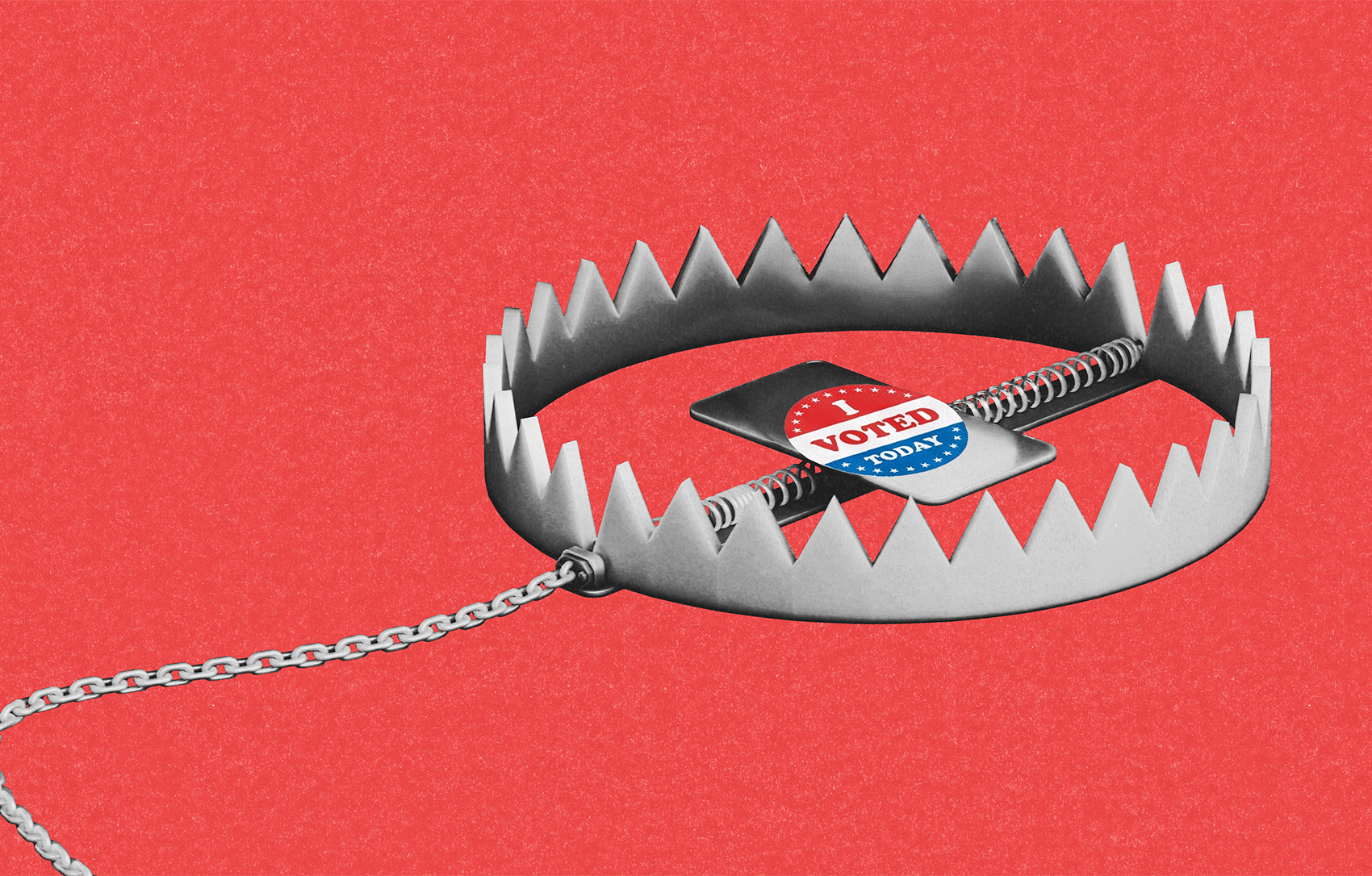
Democrats are recruiting tens of thousands to monitor poll sites and report voter intimidation. Olivia Reingold talks to the progressives taking ‘election integrity’ into their own hands. Last Tuesday, I joined a call with 79 progressives from around the country on “Election Safety Training.” Held by Women’s March, a nonprofit founded in the wake of the first Trump administration, the hourlong crash course braced participants for Republicans’ dirtiest tricks. Or, as one of the organizers described the party, the “GOP: Gang of Pedophiles.” Kalaya’an Mendoza, a “holistic safety and security” expert, briefed us on how to document potential vote tampering using a protocol inspired by the U.S. military: “ALERTA: Activity, Location, Equipment, Request, Time, Appearance,” a six-step process to gather information he said we would then disseminate to a “community rapid response group.” “It’s important that we prepare so that we don’t panic,” he cautioned, directing us to write down the hotline number for tips of voter interference. Mendoza told us we should be “very prepared for some kind of foolishness” that could come from any direction: the Trump administration, the Proud Boys, or even a group of men carrying “strange pseudo-Nazi paraphernalia.”
Paid postOlivia Reingold ·
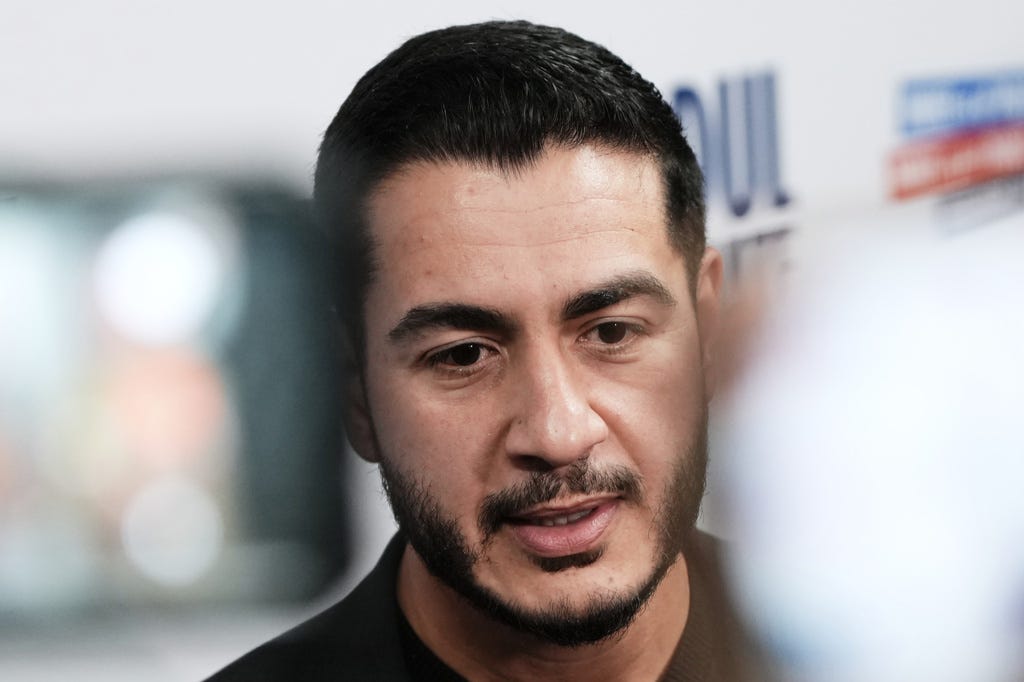
I would like both houses of Congress to gain Democratic majorities, but not at the cost of empowering extremists who don’t like Israel or, more to the point, Jews, writes Joe Klein. I just read Simon Schama’s essay in The Jewish Quarterly about the reemergence of Jew hatred. You should read it, too. You should read it if you’re a conservative, but especially if you’re a liberal and are considering voting for certain members of the Democratic Party this year—and most especially if the Democrat on your ballot is a member of the Democratic Socialists of America (DSA) or just a free-range anti-Israel bigot like the Democratic Senate candidate in Michigan, Abdul El-Sayed. Though I often vote for Democrats, I could never support any member of the Jew-hating “socialist” left. I consider Donald Trump a clear and present danger to our country. I would like both houses of Congress to gain Democratic majorities, but not at the cost of empowering academic extremists who don’t like Israel or, more to the point, Jews.
Paid postJoe Klein ·

Israel cannot afford months of political paralysis. Trump should broker a unity government before the country’s internal divisions undermine its ability to confront its enemies, writes Michael Doran. Benjamin Netanyahu towers over Israeli politics like a colossus. Two factors, more than any others, determine how Israelis vote: their attitude toward religion and their attitude toward the prime minister. At the polls, Israelis choose among a bewildering array of parties, but nearly every one of them falls clearly into one of two blocs: pro-Netanyahu or anti-Netanyahu. The Hamas attacks on October 7, 2023, gave the anti-Netanyahu bloc its best chance yet to topple the king, because they exposed grave flaws in Israeli security and defense policy—long considered Netanyahu’s strongest suit. Last week’s election was the first since that fateful day, and therefore the first real opportunity for voters to hold the leadership accountable. The anti-Netanyahu forces took their best shot—and missed, with Netanyahu’s coalition winning a plurality of seats in Israel’s 120-seat parliament, the Knesset. They failed for two reasons. First, the leader of the anti-Netanyahu bloc is lackluster. To call Gadi Eisenkot a creation of consultants and public-relations gurus would be an exaggeration, but his very real accomplishments mattered less than the ways they could be weaponized against Netanyahu. Eisenkot spent 41 years in the Israel Defense Forces, rising to chief of staff before retiring in 2019. He also has a wrenching personal story: He lost a son and two nephews in the war in Gaza. He presented himself to the electorate as a security professional untainted by October 7 who had nonetheless paid an unbearable personal price for the leadership’s failures. Even the name of his new party, Yashar—“straight” or “upright”—drew a pointed contrast with a prime minister he and his supporters portray as crooked. Eisenkot’s biography checked the boxes the moment seemed to require, but it never answered the more important question: Why this particular security professional, and why now? Eisenkot entered politics in 2022, after the mandatory cooling-off period for retired generals, and has left almost no mark since. In his first election, he ran third on the list in Benny Gantz’s National Unity Party, which won 12 seats in the Knesset. It sat in the opposition coalition, then joined the emergency government formed after October 7, only to walk out a few months later. Thus, Eisenkot’s only stint in civilian office lasted about eight months. He has never run a ministry, never led a party into government, and never shown he can assemble a coalition and hold it together. His record as a soldier is solid. The political case the consultants built on it is mushy.
Paid postMichael Doran ·

Join The Free Press for an exclusive screening of the new film, Confession, followed by a conversation and reception with Ben Shapiro and Bari Weiss. Tomorrow, Americans head to the polls to decide the direction of our country. Among the questions hanging over this election: What kind of economic and political future do Americans want—and how much do we understand about the ideas shaping it? One of the defining stories of this election cycle is the rise of socialism on parts of the left. Candidates aligned with the Democratic Socialists of America (DSA) have surged to victory in primaries from Colorado to New York, and are now poised to carry that momentum into their general elections come Tuesday. At The Free Press, we’ve been covering this ideological shift closely. This summer, we asked some of our sharpest thinkers to examine the movement gaining influence within the Democratic Party. Former Soviet dissident Natan Sharansky warned of Marxism’s return under a new name. Coleman Hughes wondered why younger Americans lack the historical memory that once tempered socialism’s appeal. Others challenged the comparison between today’s democratic socialism and communism. But most were united on this: As socialism’s appeal grows, our collective memory of the devastation it wrought throughout the 20th century appears to be fading. A healthy democracy requires more than the freedom to vote. It requires an understanding of history and the courage to challenge popular ideas. That’s why we’re bringing Confession, a new film written by Ben Shapiro and produced by The Daily Wire, to New York City. Ben, a staunch defender of free speech and Western civilization, has written a film set in Stalin’s Moscow in 1938. It follows a former literature professor imprisoned and interrogated by his brilliant and brutal former student. It’s a story about conscience, courage, and what happens when ideology becomes absolute. On Thursday, November 12, The Free Press will host an exclusive screening of Confession, followed by a conversation between Ben Shapiro and Bari Weiss and an intimate cocktail reception with both.
Paid postOlga Moriarty ·
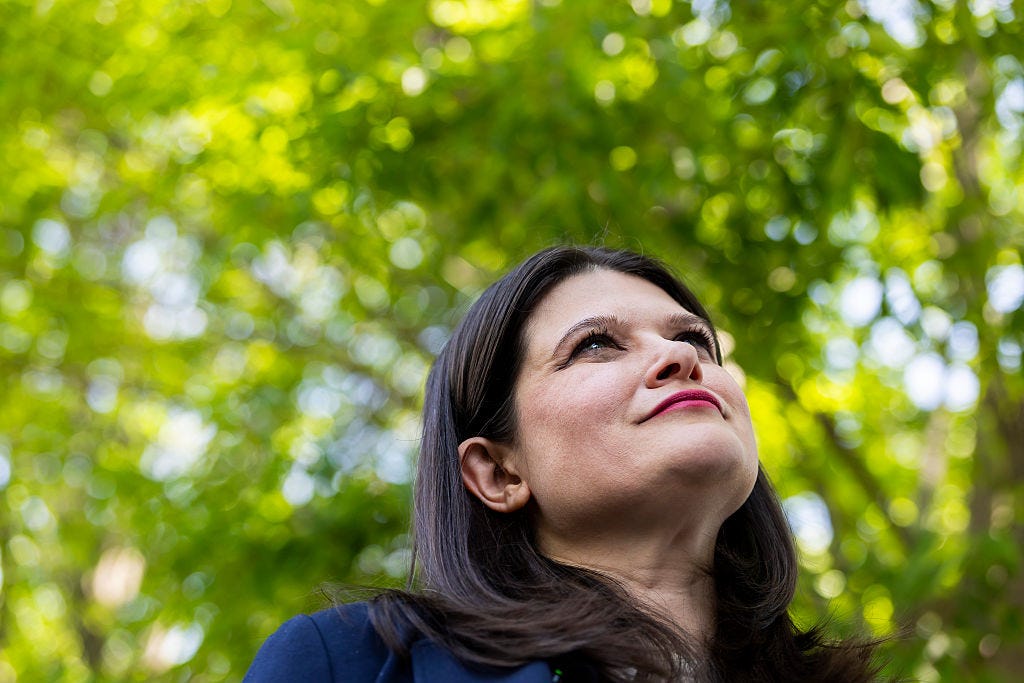
Michigan congresswoman Haley Stevens is trying to save the Democrats from themselves. Too bad they won’t let her, writes Eli Lake. For a party locked in an ideological civil war, Democrats have finally found an issue that unifies them: Haley Stevens. She, of course, is the Michigan congresswoman and Democratic Senate candidate who lost her primary bid against Abdul El-Sayed. On Sunday, she shocked the political world by not only withdrawing her earlier endorsement of El-Sayed but taking the additional step of urging fellow Democrats to vote for his Republican opponent, former congressman Mike Rogers. She told my colleague Olivia Reingold that she concluded El-Sayed just didn’t care about Jewish voters. “God, I wanted to vote for him, but he just kind of said, ‘Forget it,’ ” she said.
Paid postEli Lake ·
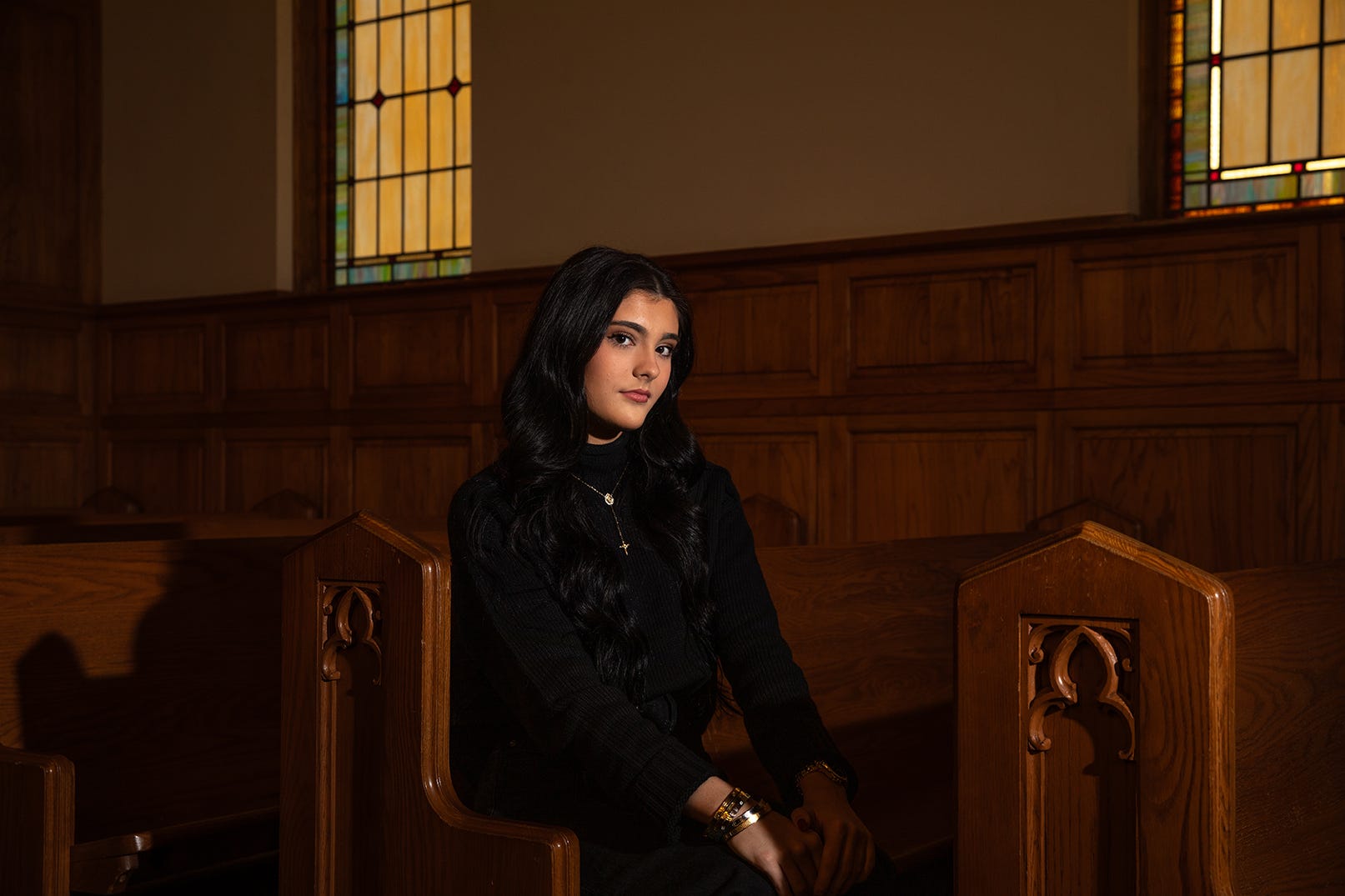
Two years ago, Peter Savodnik reported on the ‘great scramble’ that was upending our politics. Today, after assassination attempts, wars, and the rise of the radical fringe, he reports that things are even stranger. In June 2023, Faith Merrill and her mother drove 11 hours from their home in the Florida Panhandle to Dallas to see social-media influencer Candace Owens speak at the Young Women’s Leadership Summit. The summit had been organized by Charlie Kirk’s organization, Turning Point USA, and drew about 3,000 attendees. “It’s like your basic Turning Point event, except pink and glittery,” Merrill told me. She was electrified by Owens, who had built a nationwide audience as a combative, black conservative and then veered into peddling conspiracy theories about Jews controlling Hollywood and the Atlantic slave trade, among other lies. Her audience is now north of six million. “Watching her on the stage and just being so unapologetic for her takes, I just realized I didn’t have to be this shy, scared girl,” Merrill, 20, said of Owens. Other attendees included television personality Laura Ingraham and college swimmer Riley Gaines, who had become a right-wing media personality by sparring with trans women competing in women’s sports. Merrill loved Owens’s willingness to offend—to allege the Walt Disney Company employed “child groomers and pedophiles” or to slam George Floyd or to say “Russian lives matter” after Russia invaded Ukraine. (The Russian embassy in Washington reposted that one.) And, over the next few years, she would laugh at (or with) Owens’s more provocative, ahistorical takes—including her Holocaust denial. In 2024, Owens called the accusation that Nazi Josef Mengele had experimented on human beings “bizarre propaganda.” “We all know how Twitter is,” Merrill said. “You’re going to put out the most crazy statement to try to get a reaction. Me, personally, I will always support Candace no matter what she says.” On the drive back from Dallas in her mom’s Honda SUV, Merrill and her mom listened to Owens’s podcast and the Christian rock station K-LOVE, and Merrill resolved to become an influencer. By October 2023, she had about 10,000 TikTok followers. “That was my first TikTok account,” Merrill said. “I am currently on my ninth from getting banned all the time”—with an audience of 65,000. She also has 52,000 Instagram followers and nearly 10,000 YouTube subscribers. In 2024, Merrill started at Troy University, in Alabama, and in the spring of this year, she was baptized in the Catholic Church. She had attended Protestant churches growing up—her father was an Air Force pilot, and they ping-ponged between Florida and California—but “I never had a deep connection.” “I remember Candace Owens became Catholic, and I thought, I guess I’ll do my research into that, ” she said. Merrill, like Owens, was part of a trend of “nationalists” embracing a hard-line, hyperpolitical Catholicism. They were fond of posting: CHRIST IS KING. That was her brand: posting about the glory of God and marriage and railing against hook-up culture. She advertised her newfound faith. “Go to Mass today,” she posted in February. (Merrill has since deleted her X account because, she said, it has become “a cesspool” of “negativity” and “doom.”) She didn’t really have an agenda. Her agenda, she said, was always shifting. That was the reason I wanted to talk with her. Two years earlier, in January 2024, as we were inching toward the presidential election, I had spoken to Americans of varying tribe, background, and political orientation about their stories and beliefs, because it seemed like the traditional labels that we attached to ourselves and other people no longer made much sense. We still grouped ourselves in the old groups: liberal, conservative, Democrat, Republican, and so forth. But those words had been mostly sapped of their meanings, or stretched or contorted in such a way that they no longer communicated what we thought they did. I called it…
Paid postPeter Savodnik ·
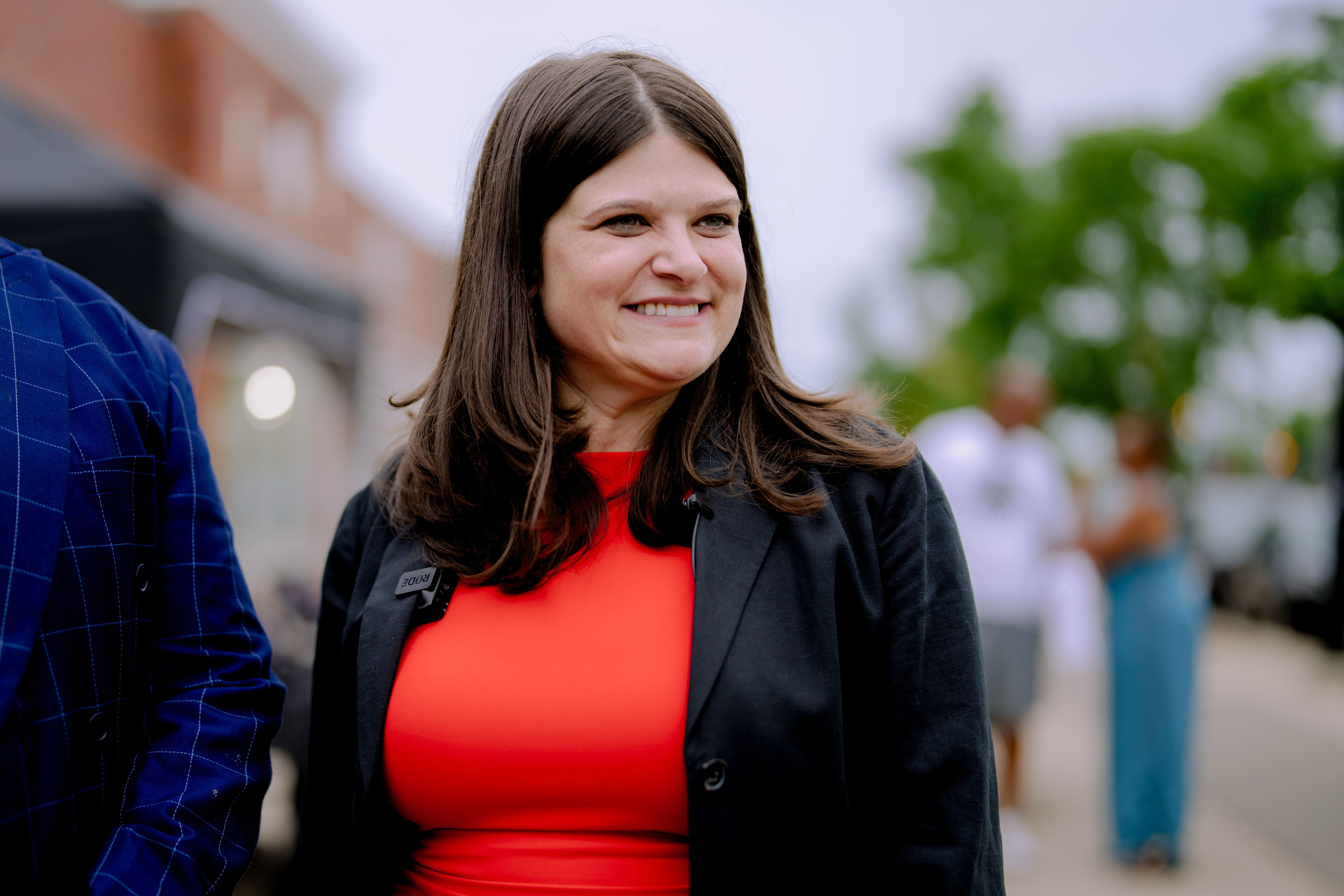
Michigan congresswoman Haley Stevens says she endorsed Republican Mike Rogers because “I think he loves the country.” HUNTINGTON WOODS, Michigan — “I was like, wait a moment, what am I doing?” That is how Congresswoman Haley Stevens described her epiphany less than 24 hours earlier, when she realized she could no longer back Abdul El-Sayed—the Democratic darling favored to win Michigan’s open Senate seat. It’s Sunday night at 11 p.m., and she’s seated on her fiancé’s couch at his home in the Detroit suburbs, fishing around a popcorn bowl while telling me how her discomfort with El-Sayed had been building ever since he beat her in the August primary by fewer than 14,000 votes. “I wasn’t being honest with myself after a certain point,” she said with a shrug.
Paid postOlivia Reingold ·

Kids are reading a lot, but it is making their lives worse, not better, writes Arthur Brooks. This is because of what they are reading: texts, group chats, captions, comments, posts, search results, and websites—not books. When I was a kid, my dad read to my brother and me almost every night before bed. Very early on, it was Dr. Seuss. Dad literally knew Yertle the Turtle by heart. Later, it was The Chronicles of Narnia and the like, and always a lot of Bible stories. When my kids were little, we read many of the same things together as a family, giving me a new perspective on these old stories. Who knew that Yertle was actually a fable against Adolf Hitler? This tradition of family reading was based on two assumptions: that our kids would grow up to be readers themselves, and that reading would make them happy and smart. The first assumption was and is mostly correct—more on that below. But while the second was true before, today it no longer is, especially for millennial parents. Kids are reading a lot, but it is making their lives worse, not better. This is because of what they are reading: texts, group chats, captions, comments, posts, search results, and websites. Thousands upon thousands of words of information harvested during multiple hours spent online every day.
Paid postArthur Brooks ·
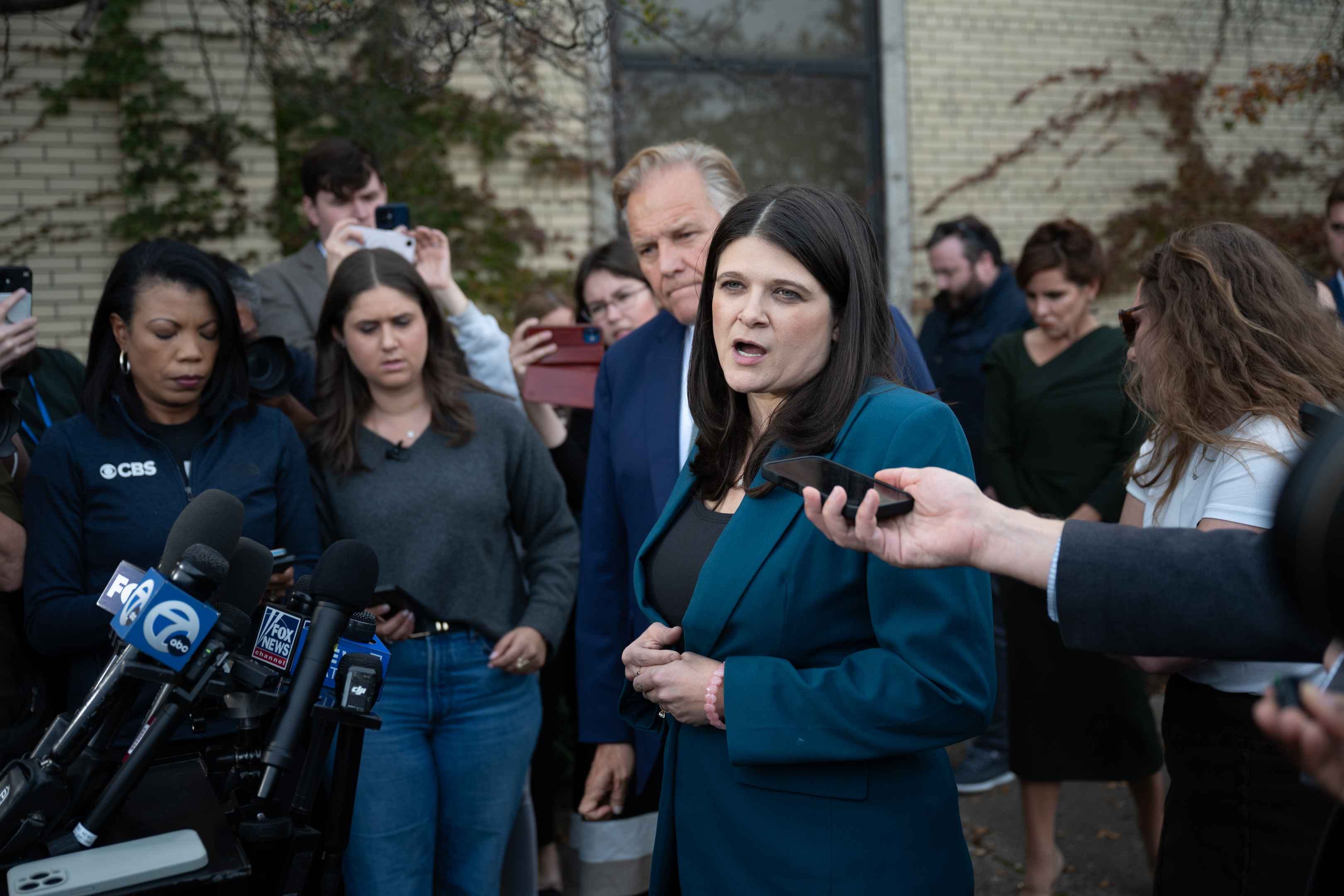
In today’s Front Page, James Kirchick and Mark Halperin on a surprise endorsement in Michigan. Tyler Cowen on the bipartisan flight from economics. The Florida tax fight dividing Republicans. RFK Jr.’s new hire. And more. It’s Monday, November 2. This is The Front Page, your daily window into the world of The Free Press—and our take on the world at large. Today: Why economics loses no matter who wins in the midterms. Josh Code meets the woman who spent 14 years on psychiatric drugs and is now joining HHS to fix the system. Mark Manson on why happiness is overrated. And much more. But first: the Michigan midterm bombshell. Just when we thought Election Day would arrive without the usual late “October surprise,” Michigan’s Senate race took an unforgettable November turn. Yesterday, Rep. Haley Stevens, who narrowly lost the Democratic primary to Abdul El-Sayed in August, endorsed El-Sayed’s Republican opponent, Mike Rogers. The last-minute change of heart caught everyone off guard, but it reflects a truth that’s easy to forget in today’s politics: Some fissures run deeper than the line between parties. Stevens made her move after El-Sayed refused to condemn an ad from a supporter’s PAC that blamed Israel for the rising cost of Americans’ groceries. With control of the Senate potentially hinging on Michigan, Democratic leaders were quick to denounce her. But is she a traitor, or a Democrat putting her country over her party? James Kirchick argues it’s the latter. Two years ago, he notes Democrats welcomed Liz Cheney’s endorsement of Elissa Slotkin for Michigan’s other Senate seat as an act of political courage. Now that a Democrat has made the same choice, her party is branding her as a turncoat. And what does Stevens’s endorsement mean for El-Sayed’s chances on Tuesday? The polls show El-Sayed ahead, but could this change things? Mark Halperin says her defection has exposed divisions Democrats had worked to keep hidden in the final weeks of the campaign. Before Sunday, insiders in both parties told him El-Sayed could win Michigan without a blue wave. Now, Halperin writes, he probably needs one. Michigan is just one of many key races this cycle. For predictions of their outcomes, we turn to two of our favorite Washington insiders, Jesse Arm, a conservative, and Yemisi Egbewole, a liberal. They go state by state through the biggest contests, and find themselves agreeing more often than you might expect. And tomorrow, don’t miss our live election night special with 2WAY, from 8 p.m. till midnight ET. Will Rahn, Mark Halperin, and a lineup of Free Press writers will follow the results as they come in. Mark your calendars! —The Editors MORE FROM THE FREE PRESS THE NEWS A federal judge on Sunday threw out the Justice Department’s bid to delay certifying Alaska’s Senate results should Republican incumbent Dan Sullivan lose in tomorrow’s midterm elections. The DOJ had argued that another man with the same name was put on the ballot to confuse voters and help Democrat Mary Peltola, whose campaign denies any role. Senator Chris Murphy of Connecticut suffered a stroke on Saturday after feeling his arm go numb at his son’s hockey game. The 53-year old Democrat, a possible 2028 presidential contender, is being treated at Johns Hopkins and is expected to make a full recovery. A private jet flying from Texas to The Bahamas nosedived and crashed in Palm Beach County, Florida, on Sunday, killing all nine people aboard. Drivers on a nearby road captured video of the plane plummeting from the sky, and the cause is still under investigation. New York City mayor Zohran Mamdani said Saturday that President Trump agreed in a phone call to quickly grant a visa to the mother of Javits Frimpong, a 15-year-old Ghanaian immigrant who was shot on his way to school in the Bronx last week. The police have not made any arrests in his killing. Russian authorities detained a teenager Sunday after the U.S. warned of a possible terror attack in Moscow. Russia’s FSB…
The Free Press ·
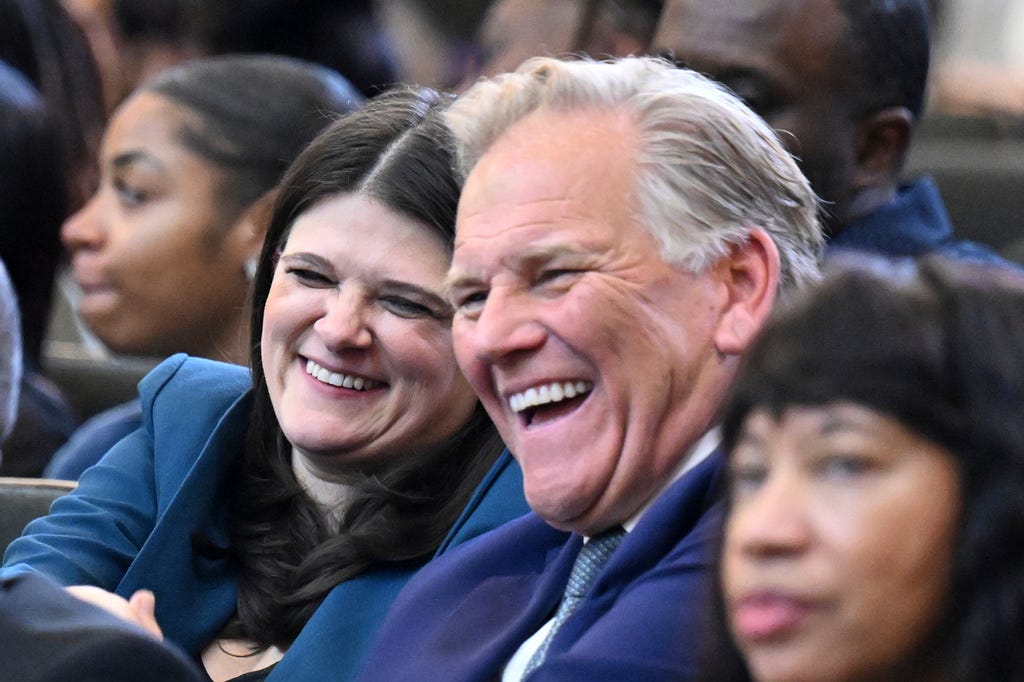
By endorsing the Republican, she broke her formal rival’s odds. To win, El-Sayed may now need a blue tsunami, writes Mark Halperin. Don’t miss our live election special Tuesday night with 2WAY, from 8 p.m. until midnight ET, featuring Mark Halperin, Will Rahn, and a lineup of Free Press writers following the results. Mark your calendars here. —The Editors It may be the ultimate shocking but not surprising twist of the Democratic Party’s 2026 midterm cycle, in an election season that has witnessed Graham Platner dropping out of the Maine Senate race amid accusations of sexual misconduct, James Talarico vanishing from the Texas campaign trail for nearly a fortnight, and Mary Peltola’s team apparently coaxing a second Dan Sullivan onto the Alaska ballot to distract voters from her Republican opponent, incumbent senator Dan S. Sullivan. On Sunday, Michigan congresswoman Haley Stevens, who lost the Senate primary in August after a rancorous battle with Abdul El-Sayed, endorsed his Republican opponent, former congressman Mike Rogers, appearing with Rogers at a morning service at Detroit’s Perfecting Church, and then releasing a video offering her full support. “Hey, Michigan” she began, “As you may have seen, our Democratic nominee for U.S. Senate, Abdul, said I was no longer welcome in his campaign and that I should stay away. And he’s right—that’s why I am endorsing Mike Rogers for the U.S. Senate today.” Stevens called the Michigan race “the conscience of the Senate, and our Michigan moment,” and said “I’m just letting you know where I am. I’m still a very proud Democrat; I still very much believe in everything I voted for and said. I’ve worked really hard and will continue to do so. . . Godspeed and love you all so much.” Mark your calendars. The Free Press and 2WAY are teaming up for a real-time interactive election night special, November 3 from 8 p.m. ET until late. See you there. It is not unprecedented for politicians to endorse across party lines. Former senator Joe Manchin has endorsed Susan Collins twice, both this past September, and in 2019 when he was still officially a Democrat. Democratic senator Joe Lieberman endorsed his dear friend John McCain in the 2008 presidential election. This year, former Republican governors Bill Graves and Mike Hayden are supporting Democratic Senate candidate Adam Hamilton in Kansas, and House Democrat Jared Golden is supporting his across-the-aisle colleague Mike Lawler in New York.
Paid postMark Halperin ·
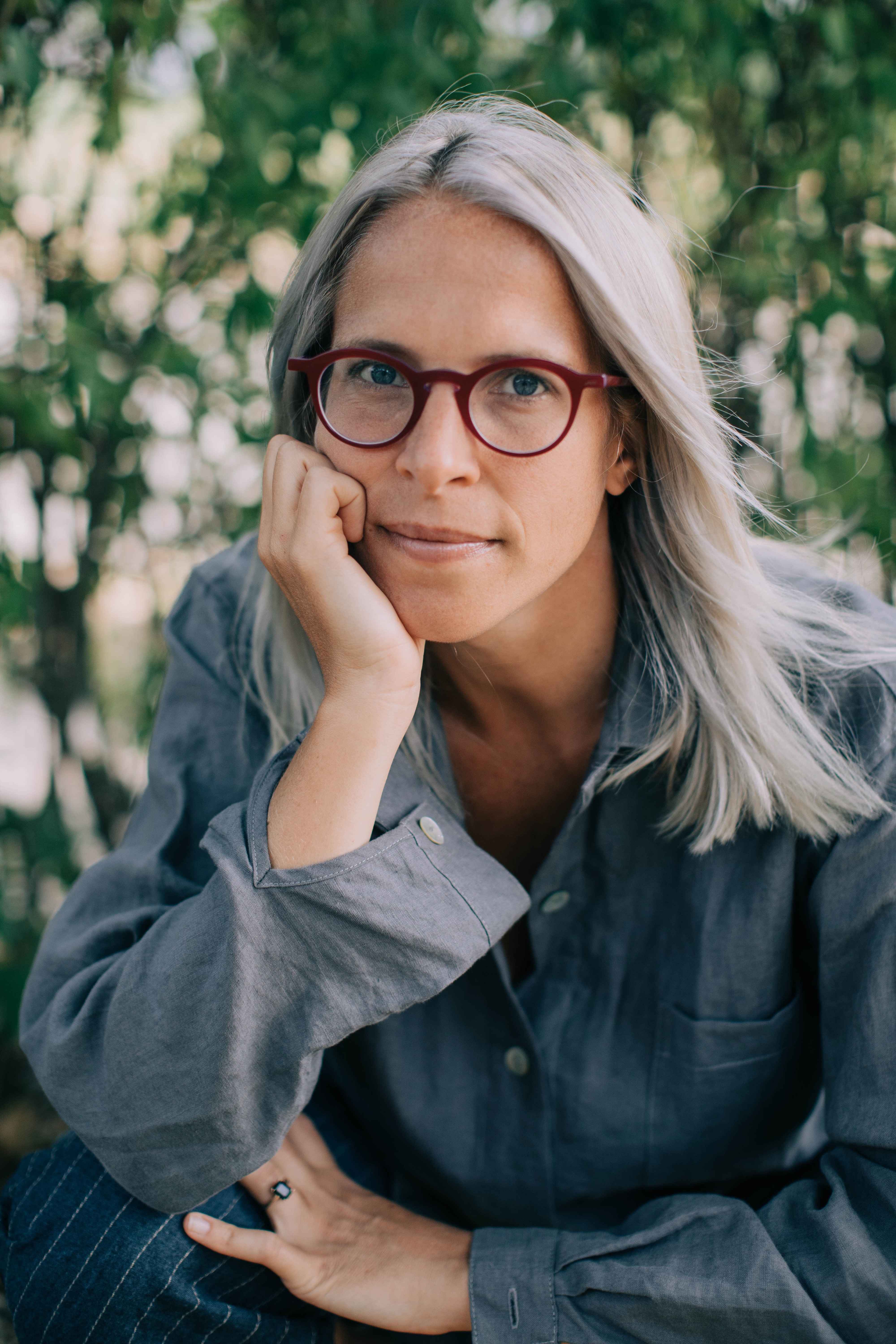
Laura Delano is one of America’s most prominent critics of antidepressant overprescription. She tells Josh Code why she’s taking her fight to Washington. “I once believed deeply that the only reason I was alive was because I was on psych meds,” Laura Delano told me. From age 13 until 27, doctors prescribed her a total of 19 psychiatric medications, including antidepressants and antipsychotics. Now, she’s taking on a role in the federal government to curb the overprescription of those same drugs. Monday is Delano’s first day as a senior policy adviser in Robert F. Kennedy Jr.’s Department of Health and Human Services, where she will help him set guidance for tapering off antidepressants. Her appointment comes six months after Kennedy announced a “MAHA Action Plan” to reduce the “overuse” of antidepressants, “especially among children.” Delano was, in many ways, the obvious choice to help him. For years, she has been highlighting the risks posed by psychiatric drug dependence, before rising to national prominence in 2024 thanks to her best-selling memoir, Unshrunk. The book details her tumultuous life story, from her upbringing in a privileged Greenwich, Connecticut family (yes, that Delano), to a 2008 suicide attempt and multiple hospitalizations, to a shocking realization: Her pills were making her worse, not better. Mark your calendars. The Free Press and 2WAY are teaming up for a real-time interactive election night special, November 3 from 8 p.m. ET until late. See you there. In 2010, Delano began to taper off her meds—going through an agonizing five-medication withdrawal process—and when she came out on the other side, she realized that the anger, frustration, and self-harm that had been cited by her clinicians as diagnostic criteria were actually something very different.
Paid postJosh Code ·
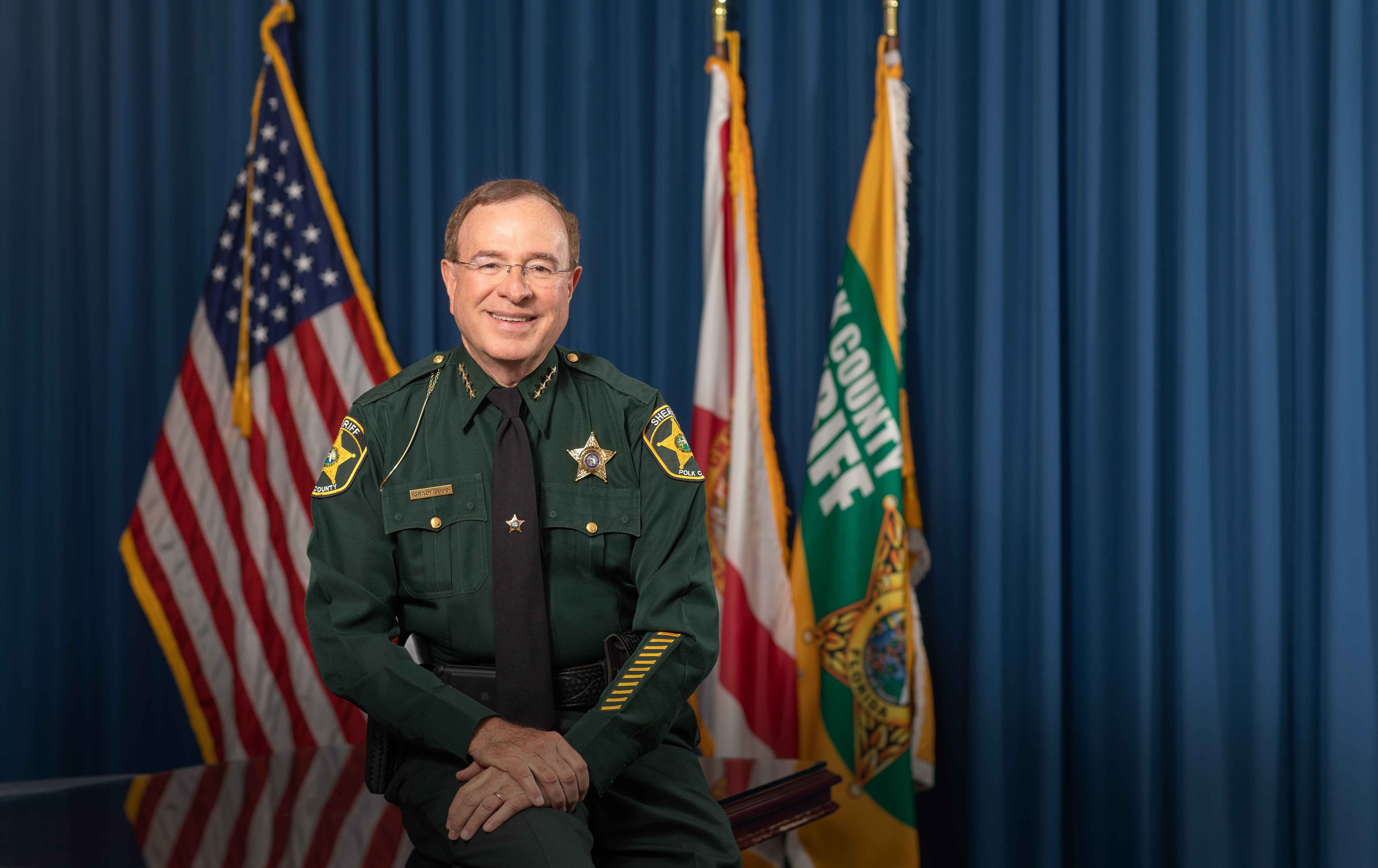
A new Republican-backed property tax amendment in Florida has Democrats saying they don’t support ‘defunding the police.’ One county sheriff said the fight is ‘turning politics on its head,' writes Frannie Block. Grady Judd of Polk County, Florida, isn’t your typical sheriff. The 72-year-old career law enforcement officer has amassed nearly four million followers on social media, where he shares stories of unfolding cases with a deadpan Southern drawl and the blunt delivery of a seasoned stand-up comic. In one clip, he calls a prostitute dressed in drag “Coyote Ugly“”; in another, he shows up to a news conference announcing a drug bust wearing a gold chain, stating “I got their drip, I got their money, we got their guns, we got their dope.” His most popular video—where he details the arrest of an 18-year-old for threatening to shoot up a McDonald’s after the store messed up his order (he refers to the man as a “McNut”)—has been viewed over 21 million times. “It’s just another day in the office,” Judd told me. He’s squeezing in the time to give me a call between meetings, just a week ahead of Florida’s November 3 election, where he’s leveraged his large following to emerge as one of the state’s loudest voices against a proposed constitutional amendment to lower property taxes across the state. If it passes by a 60 percent vote on Tuesday, the amendment will increase the state’s current homestead exemption from $50,000 to $150,000 in 2027, and $250,000 in 2028. Those in favor argue the proposal will bring much-needed tax relief to Floridians who are struggling with the rising cost of living, while those opposed say the cuts to local services will be so drastic that some counties will struggle to perform even their most basic duties, including providing road repair or park services. Mark your calendars. The Free Press and 2WAY are teaming up for a real-time interactive election night special, November 3 from 8 p.m. ET until late. See you there. “It’s a train wreck,” Judd told me of the proposal, “It’s the most insane constitutional amendment I think I’ve ever seen.” Judd has become the face of the “vote no” movement. Earlier this week, at a press conference where he stood behind a podium wrapped in the phrase “Too good to be true,” Judd declared: “It does not give the government a haircut with the appropriate tools and scissors; it gives us a haircut with a weed eater. As a result, you’re going to be left with the bloody results.”
Paid postFrannie Block ·
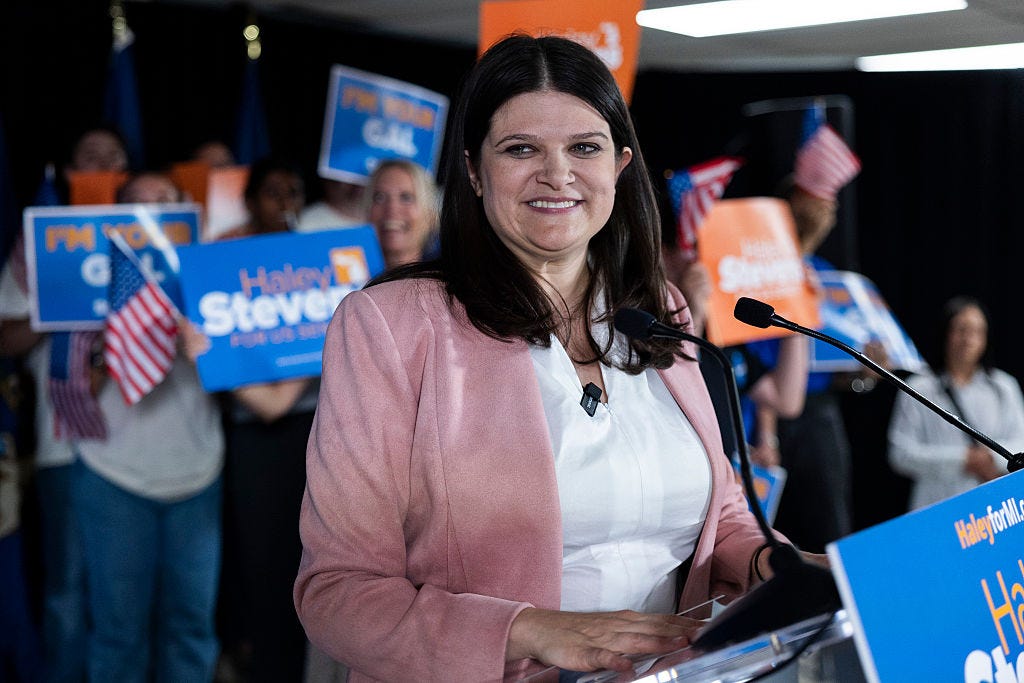
Haley Stevens is being called a traitor, but by reversing her endorsement of Abdul El-Sayed, she is showing exactly the kind of courage moderate Democrats once cheered, writes James Kirchick. Running for Senate two years ago, Michigan Democratic congresswoman Elissa Slotkin proudly accepted an endorsement from her former Republican colleague Liz Cheney. “It is a privilege to be here in Grand Rapids, the hometown of former President Gerald Ford,” Slotkin said to a room full of people holding “Republicans for Slotkin” and “Country over Party” placards. The 38th president, who also happened to be a Republican, “was a leader who understood courage in public service and putting your country over your party.” Cheney, who co-chaired the House committee investigating the events of January 6th, 2021, was the most popular Republican among Democrats at the time, and deservedly so. Though a rock-ribbed conservative her entire life and the daughter of a man whom liberals reviled during his tenure as vice president, Cheney simply couldn’t countenance Donald Trump’s attempt to overturn a democratic election. For choosing country over party, she lost her seat in Congress. Fast-forward to the weekend before the 2026 midterms, when another of Slotkin’s congressional colleagues, this one a fellow Democrat from Michigan, decided that she too could no longer stomach the burgeoning extremism in her party. Mark your calendars. The Free Press and 2WAY are teaming up for a real-time interactive election night special, November 3 from 8 p.m. ET until late. See you there. “Anyone who makes an election this important about themselves, and not Michiganders and our democracy, should think hard about whether they are serving the greater good,” Slotkin posted on X with respect to her fellow Michigander Haley Stevens, who had earlier that morning revoked her endorsement of Democratic Senate nominee Abdul El-Sayed and thrown her backing to Republican nominee Mike Rogers.
Paid postJames Kirchick ·

Both parties used to craft their policies with the help of the best economic minds. Now they are driven almost entirely by politics and vibes, writes Tyler Cowen. As a lifelong economist, I am distraught at what is happening to my profession. What I observe is economists losing status. Economists used to be highly respected figures, and nowadays, even when they are not pilloried, they are often simply ignored. There is an ongoing bipartisan flight from economic reasoning. And as voters go to the polls this week, neither Republicans nor Democrats are offering anything like a rigorous plan for economic growth. If we look at the 1960s, the John F. Kennedy and Lyndon Baines Johnson administrations brought James Tobin, Robert Solow, Kenneth Arrow (all three later Nobel laureates), Arthur Okun, Walter Heller, Gardner Ackley, Otto Eckstein, and Walt Rostow into government. Those were all names with significant academic heft who could count among the world’s leading macroeconomists. Nobel laureate Paul Samuelson served as a consultant to the government. Heller and some of the others helped to shape the Kennedy-Johnson tax cut of 1964. That cluster of talent and its influence should come as no surprise. This was an age of elites, of love for science, of the moon landing project, and of network news shows with an establishment bent. Americans were used to deferring to elites, who had won World War II for them, and who were not out there making fools of themselves on the internet. With the Cold War raging, Americans felt their government had to get it right. Mark your calendars. The Free Press and 2WAY are teaming up for a real-time interactive election night special, November 3 from 8 p.m. ET until late. See you there. Most of this respect was still in place by the 1980s. President Ronald Reagan appointed Martin Feldstein to chair his Council of Economic Advisers (CEA), Feldstein being a Harvard professor and one of the leading market-oriented economists of his time. Two of the junior economists working for Feldstein were Paul Krugman and Lawrence Summers—before they became famous, but the intellectual firepower was already there. Michael Mussa and William Niskanen were other notables in the administration, and Milton Friedman and Friedrich A. Hayek were standing sources of inspiration.
Paid postTyler Cowen ·

In today’s Weekend Press: Rod Dreher doesn’t celebrate Halloween. Lenore Skenazy says carve the pumpkins. Suzy Weiss on whether Nicki Minaj is the next press secretary. The Mossad chief makes a rare on-camera appearance. The greatness of early ‘Glee.’ And more! Welcome back to The Weekend Press! Today, Spencer Klavan celebrates the return of “Glee.” Liel Leibovitz on the new documentary that goes inside the Mossad. Suzy Weiss on the rumors that the rapper whose ass Trump complimented is going to be the next press secretary. And more! But first: Is it safe to celebrate Halloween? The spookiest night of the year is here. But should you let your kids hit the streets to trick or treat? “I never wanted to be one of those uncool, Ned Flanders-like people who doesn’t celebrate Halloween,” writes Rod Dreher in his essay today. “But I became just that. Here’s my advice: Never become friends with working exorcists if you wish to preserve your ability to enjoy the holiday.” A Catholic priest once told him that for Satanists, Halloween is “their big holiday, their Easter, so to speak.” An exorcist deep in the swamps of Louisiana explained that, on this night each year, the devil-worshippers of the bayou conduct rituals that sometimes involve human sacrifice. When he fact-checked this with an occult crimes investigator at the Baton Rouge Police Department, the sergeant told him to believe what he heard. “It’s easy to sit in the well-ordered environment of a big city, all straight lines and grids, where the lights never go out, and think these are just tales,” acknowledges Rod. We live in an age where most of us are trained to believe from birth that everything can be measured and explained; there’s no such thing as spirits. And yet, he writes, “human beings need a paradigm to understand dark and light, good and evil, and the paranormal things that many see.” In post-Christian America, some are turning to the oldest churches, the Orthodox and the Catholic, to make sense of it; others are turning to something darker. “In our neighborhood, the feast of darkness has taken on more macabre tones, skeletons, horror, tombs, and fear,” an Orthodox exorcist in Virginia told Rod. “Increasingly, over the decades of my life, it’s no longer about giving children candy; it’s more about desensitizing and normalizing evil.” Rod will be staying home tonight—because he’s just met too many people who’ve had brushes with demons to believe that they’re not real. Read Rod’s spooky story here: Rod’s worried about your kids’ souls. But online, there’s plenty of people who are worried about their mortal flesh. There are abundant risks to celebrating Halloween, according to the momosphere. For example, did you know that a baby once got salmonella from raw pumpkin? In our second spooky season offering, Lenore Skenazy, a big advocate of free-range parenting, rolls her eyes at this obsession with the worst-case scenario. “Parents magazine warns that if you’re going to talk to your kids about candy consumption on Halloween, make sure to do it the right way or they will develop an eating disorder,” she observes—adding that this publication recommends telling your kid: “There are foods that nourish our bodies that we need daily. However, there are other foods that we eat less often for pleasure or celebrations such as Halloween candy or birthday cake.” To quote Lenore: “That sounds like a totally natural and conversational thing to say to your child.” Halloween was once the pinnacle of freedom for kids—the night of the year when they could walk off down the street unsupervised, dressed as their favorite film character. When we stop them from doing this, in the name of safety, they lose something important: “their ability to be part of the big, wide, witch-and-Reese’s-filled world.” Read her full piece here: Second Thought Last weekend, the president told the crowd at a rally in Michigan that the rapper Nicki Minaj has “one hell of a beautiful ass”—then asked her to stand…
The Free Press ·

You want to know why I stay home on the spookiest night of the year? I’ve got stories, writes Rod Dreher. I never wanted to be one of those uncool, Ned Flanders-like people who doesn’t celebrate Halloween. But I became just that. Here’s my advice: Never become friends with working exorcists if you wish to preserve your ability to enjoy the holiday. I’ve got stories. The first exorcist I ever met was also the first one to tell me to stay in on Halloween. In 1989, working the police beat at the Baton Rouge Advocate, my first job out of journalism school, I saw one of my colleagues come into the newsroom as stiff and white as a starched dress shirt. “What happened?” I asked. He waved me away and sat at his desk. I followed him and pressed.
Paid postRod Dreher ·
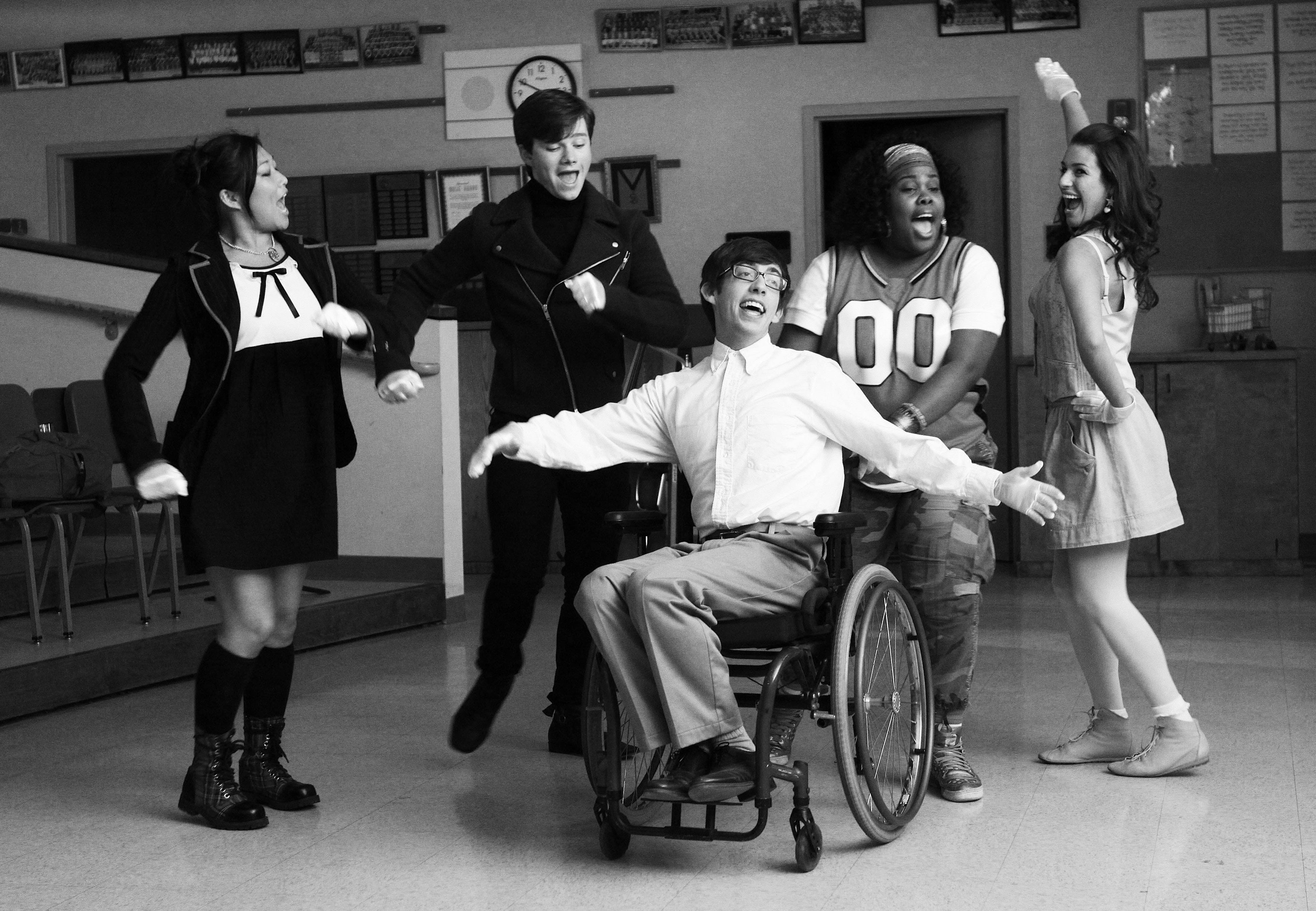
Most television shows seem terrified of offending the very people they’re trying to represent. But early ‘Glee’ understood that loving the misfits means being willing to make fun of them, writes Spencer Klavan. It’s hard to remember now, but there was something wonderfully unhinged about the pilot episode of Glee, Ryan Murphy’s hit Fox sitcom about the show choir at a run-down Ohio high school. By the end of its first season, Glee was already morphing into a treacle-drenched pop-musical dramedy. But when it started out, it was far less feel-good and far spikier. Much like high school itself, the show was filled with weirdly inappropriate jokes and unhinged characters. With the news last week that there’s a Glee reboot in the works—green-lit by Disney+ and Hulu, written by the original showrunners, and featuring some of the original stars—the creators have a chance to recover Glee’s original offbeat charm. I remember exactly the moment from the first episode, back in 2009, when I realized what a bizarre piece of work Glee was intended to be. The show’s protagonist is the talented but overbearing Rachel Berry, played by Lea Michele. It would be cruel to say that Michele is typecast, but she certainly brought her own obnoxious, try-hard energy to the role. Already well known to Broadway nerds (myself included) as a star of the runaway hit musical Spring Awakening, Michele was launched to bona fide national celebrity status by her blindingly earnest solos in Glee. But it wasn’t her singing that pulled me up short in the pilot. It was the scene in which Rachel reports the school’s former choir director, Sandy Ryerson, for groping boys in class. We’ve already seen Sandy, played by Stephen Tobolowsky in a pink-on-pink button-up and cardigan combo, running his hand sensuously down the chest of an intensely uncomfortable soloist. But that’s not really why Rachel shows up at the principal’s office with mascara running down her cheeks to tattle. In truth, she feels she’s been cheated out of a lead performance that belonged to her.
Paid postSpencer Klavan ·
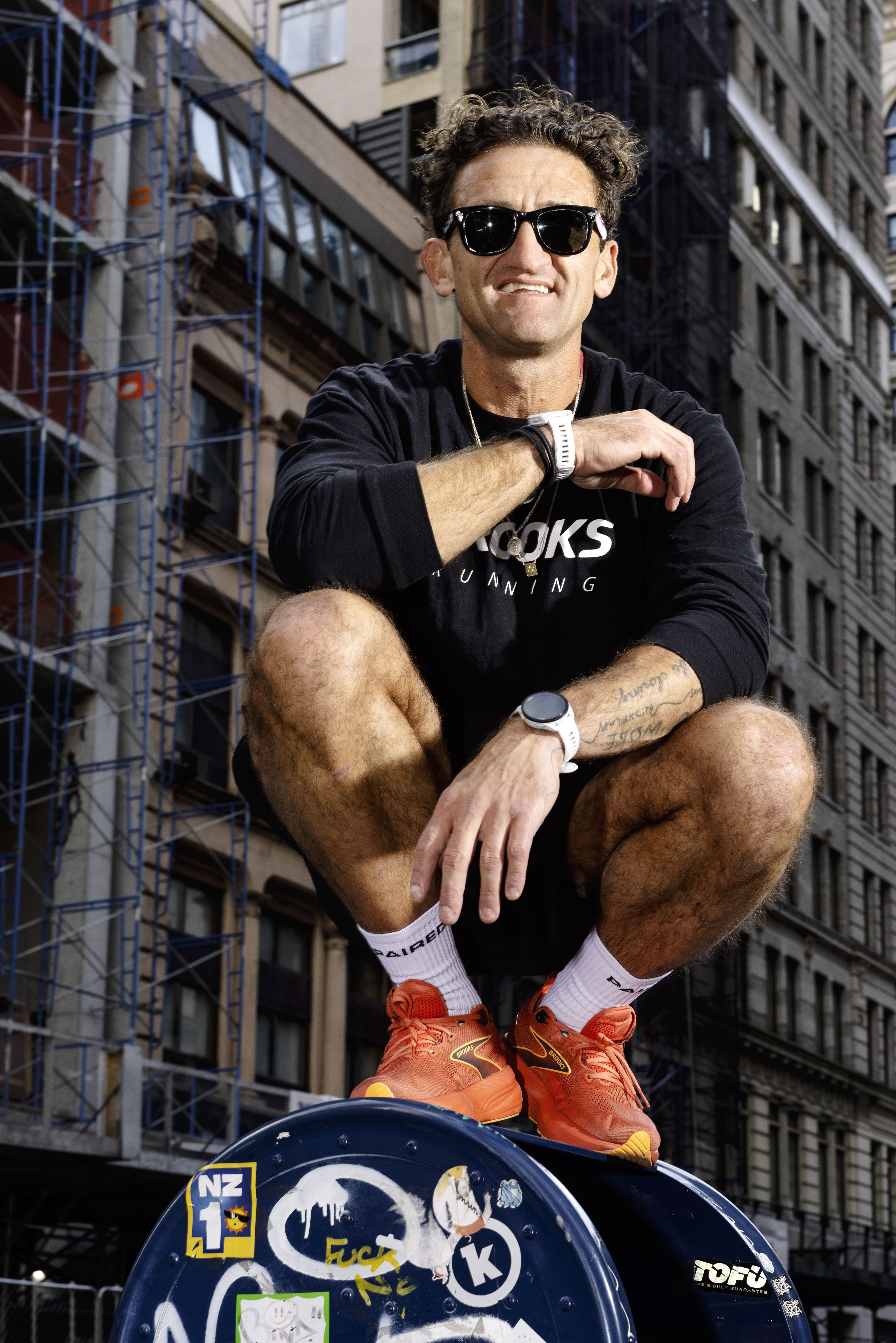
The marathon is an incredible thing to see one person do. But when you multiply it by nearly 60,000, then add over two million screaming spectators, it is simply extraordinary, writes Casey Neistat. I started running regularly two decades ago after a bad motorcycle accident. My right femur had been shattered, and after hammering a new titanium one in place, the orthopedic surgeon explained with little nuance, “you’ll never be able to run again.” That was a lot of motivation. This Sunday, I will be running the New York City Marathon for the 10th time, my 30th marathon overall since that doctor gave me a reason to lace up. I wear running shoes every day, because no matter where I find myself, I can always open the door and run. I don’t need a membership. I don’t need anyone’s permission or any special equipment. Going for a run has no rules. It’s just me doing the thing. And the New York City Marathon is the ultimate manifestation of that thing. On Sunday, nearly 60,000 runners will take to the streets. Only about 100 of them are professionals, competing against each other for the fastest time. The other 59,900 are all competing with themselves. When I see the fast guys finish the marathon, it doesn’t mean anything to me. It’s like watching Michael Jordan play basketball—the talent is beyond my comprehension. But long after those professionals collect their medals, you’ll start to see normies crossing the finish line—folks who woke up that morning unsure whether or not they’d make it. That’s the part I love. The collective pursuit of an impossible personal achievement.
Paid postCasey Neistat ·

Parents are fixated on Halloween horror stories, but pumpkins won’t give your toddler salmonella and eating too much candy won’t cause an eating disorder, writes Lenore Skenazy. Wait! Don’t carve that pumpkin! Haven’t you heard? The newest Halloween horror isn’t gummies, goblins, or razor blades in apples. (Who still even gives out apples?) It’s salmonella from pumpkins. If that seems made-up, it’s not. In East Texas, a 4-month-old girl participated in her day care’s “seasonal activity” of putting pumpkin guts in a plastic bag. The next day, she started vomiting, and by noon, she was admitted to the hospital. She had a very rough time of it, but thankfully recovered and is fine. Her mom took to social media to tell others. She wasn’t fearmongering, just shocked. But pretty soon, salmonella fears were spreading like a fecal-orally transmitted infectious disease. Then came the calls to ban pumpkin-carving for kids. Even though this awful thing happened . . . one time. In one place. In a country of 343 million people—and about 1.5 billion pounds of annual pumpkin production, according to the U.S. Department of Agriculture. “I called my sister’s father-in-law, who is an infectious-disease doctor,” said Jessica Hochman, a Los Angeles pediatrician I checked in with. “He’s worked at Cedars-Sinai for over 40 years, and he’s never seen salmonella from a pumpkin.” (Neither, for the record, has she.) So why the panic?
Paid postLenore Skenazy ·