Source
The Free Press

The Free Press (CBS News)
The Free Press, formerly Common Sense, is an American media company based in New York City. Founded by opinion writer Bari Weiss and her spouse Nellie Bowles, the company started as a newsletter in 2021, and grew into an associated media company in 2022. Since October 2025, it is an independent entity within CBS News, whose parent company Skydance Corporation acquired it in 2025 for $150 million.
From Wikipedia ↗, text under CC BY-SA 4.0; logo from Wikimedia Commons
- Type
- News outlet on Substack
- Lean
- Right-leaning
- Right-Center+4.1 of ±10
- Mixed4.8 of 10 (lower is better)
- Medium
- Website
- thefp.com ↗
- Feed
- RSS ↗
- Articles stored
- 142
- Tracked since
- Sep 10, 2026
Down: MBFC factual reporting score, 0 most factual to 10 least.
Bias and credibility ratings by Media Bias/Fact Check.
The Free Press on MBFC ↗Publishing rhythm
How many articles The Free Press published over the last 14 days, by publication time, and at which hours of the day.
Top keywords
All keyword charts for The Free Press →The people, places, organizations and topics The Free Press covered most that day, by the share of its stories that mention them. Article counts are shown for context.
No keywords that day yet.
Latest articles

Parents are fixated on Halloween horror stories, but pumpkins won’t give your toddler salmonella and eating too much candy won’t cause an eating disorder, writes Lenore Skenazy. Wait! Don’t carve that pumpkin! Haven’t you heard? The newest Halloween horror isn’t gummies, goblins, or razor blades in apples. (Who still even gives out apples?) It’s salmonella from pumpkins. If that seems made-up, it’s not. In East Texas, a 4-month-old girl participated in her day care’s “seasonal activity” of putting pumpkin guts in a plastic bag. The next day, she started vomiting, and by noon, she was admitted to the hospital. She had a very rough time of it, but thankfully recovered and is fine. Her mom took to social media to tell others. She wasn’t fearmongering, just shocked. But pretty soon, salmonella fears were spreading like a fecal-orally transmitted infectious disease. Then came the calls to ban pumpkin-carving for kids. Even though this awful thing happened . . . one time. In one place. In a country of 343 million people—and about 1.5 billion pounds of annual pumpkin production, according to the U.S. Department of Agriculture. “I called my sister’s father-in-law, who is an infectious-disease doctor,” said Jessica Hochman, a Los Angeles pediatrician I checked in with. “He’s worked at Cedars-Sinai for over 40 years, and he’s never seen salmonella from a pumpkin.” (Neither, for the record, has she.) So why the panic?
Paid postLenore Skenazy ·

In today’s Front Page, Josh Code reports on the Massachusetts vote that could make it the first state to undo legal weed. Is Ohio turning blue? Aaron MacLean on Trump’s options in Iran. A doctor’s guide to microplastics. And more. It’s Friday, October 30. This is The Front Page, your daily window into the world of The Free Press—and our take on the world at large. Today: Audrey Fahlberg reports from Ohio’s bruising governor’s race. What are President Donald Trump’s options in Iran after the midterms? And much more. But first: Is Massachusetts going to just say no to legalized weed? You’ve heard all about the stakes of next week’s midterms: Will the Republican Party lose control of Congress? Will the far left pull off a hostile takeover of the Democratic Party? If you’re like me, you’re probably sick of the stump speeches, slimy attack ads, and “SOS” texts from campaigns that somehow got your phone number. But Tuesday isn’t just about the candidates. Below the R’s and D’s are ballot measures, one of which I’ve been watching closely. It has to do with the consequences of legal marijuana, a topic that is personal to me and that I’ve thought a lot about. In Massachusetts, Question 8 would repeal the legalization of recreational marijuana, which was passed by voters a decade ago. This is the first anti-pot measure of its kind, and a similar one will likely be on the ballot in Maine next year. Weed is legal in 24 states, but a cultural shift against it is underway, driven by concerns about the rising potency of marijuana, more instances of psychosis, and cannabis-related DUIs. Question 8 will test how big this vibe shift actually is. Some of the Massachusetts voters I talked to who voted to legalize marijuana a decade ago now regret it. Others see a ban as too extreme, especially now that pot is so easy to buy in many places. Whatever the outcome next week, the fight over legal weed isn’t going anywhere. —Josh Code Live Today: Ask Tyler Cowen Anything Is AI coming for your job? Should the government rein it in? Today at 2 p.m. ET, Tyler Cowen will be live on the Free Press Forum, to take your questions on all of it. Post yours now and follow along live here, and catch up on his latest columns before he logs on. EDITORS’ PICKS Next Tuesday, Americans head to the polls to vote in midterms that could reshape the political landscape for the rest of Trump’s term. Ahead of Election Day, we brought you two pieces on the choices facing voters on both sides of the aisle. If Democrats retake the Senate, it won’t be thanks to the progressive firebrands making headlines. Ross Douthat argued it will be because the Democratic Party ran candidates who can pass as moderates in red and purple states. The bigger question, he writes, is whether a party that spent years punishing its independent-minded members will let them survive once they’re in office. On the right, radio host Erick Erickson wrestled with a different question: whether to vote for his own party’s nominee at all. The rock-ribbed conservative urges fellow Republicans to stop backing bad candidates just because they have an R next to their names, and explains why he plans to leave Georgia’s Senate line on his ballot blank rather than vote for Mike Collins. Wherever you’re casting your vote, Erick’s warning against closing your eyes and pulling the lever is one worth hearing. Israelis went to the polls on Tuesday, and neither Prime Minister Benjamin Netanyahu’s bloc nor challenger Gadi Eisenkot won a majority. This week, we brought you two pieces on what comes next. Netanyahu’s right-wing party plunged from 68 seats to 53, its worst showing in two decades. Yet Haviv Rettig Gur argued that the prime minister may have done just well enough to deny Eisenkot an easy path to power, buying Netanyahu time for his top priority: bringing down the Iranian regime. Many of Netanyahu’s critics abroad insist that their problem isn’t with Israel, only with him. Douglas Murray said that’s wishful thinki…
The Free Press ·

Win or lose, once the midterm elections are over, the president will have more options than he does right now, though none of them is a sure path to victory, writes Aaron MacLean. What are President Donald Trump’s options on Iran after the midterm elections? By my count, he will have five, which is more than he has now, given the risk that a significant military escalation today would spook the financial markets and harm Republican candidates next Tuesday. Recent news reports suggest that the president is leaning in the direction of some form of renewed military action. Let’s review his choices, in order of the least escalatory to the most. Make a deal. It’s still a possibility. The key issues are the status of the Strait of Hormuz and Iran’s nuclear program, but the public positions of both sides seem irreconcilable at the moment. Analysts at the Institute for the Study of War dryly refer to this as a “sequencing” problem, explaining that “Iran has repeatedly maintained that the United States must lift the naval blockade, provide sanctions relief, and recognize Iranian control over the strait before Iran makes any concessions.” (I, too, prefer my enemy’s surrender as a precondition for further discussion.) Any diplomatic resolution in the short term looks as though it would require one side or the other to blink. Trump tested a conciliatory approach with the memorandum of understanding in June, recognizing Iranian sovereignty in the strait as a precondition for nuclear talks. Even so, some Iranian leaders considered their own concessions to have been too great, and the deal collapsed in less than two weeks. The formula by which both sides could plausibly claim victory in a new deal is not obvious. In other words, for Trump to close a deal quickly, he would effectively have to surrender the strait to Iran. Stay the course on economic warfare. The blockade of Iranian ports is doing meaningful economic damage to the Islamic Republic, while escort operations in the Strait of Hormuz (essentially a counterblockade to Iran’s efforts to close those waters) appear to have restored oil transits to near pre-war levels. The fortunes of other commodities are less clear. Trump could preserve this status quo, and wait to see if economic pressure forces Iran’s regime to surrender or else risk collapse.
Paid postAaron MacLean ·

Today in TGIF: We’re number one in compute; plus, big, beautiful empty public schools, mutant monkeys for medical research, ancient blood feuds, Dan Sullivans, and more. Welcome back to my blog. I’d like to be clear that my writing is completely unaffiliated with one Bari Weiss and CBS News, which is, according to the U.S. government, so “fake and gay” that I feel it is time at last to publicly distance myself to preserve my reputation. Mr. President, don’t worry, I would never associate with the likes of her. Thank you for understanding—and I’ll see you at the next meeting. Also: We’re hosting special election night supper clubs in 14 cities on November 3. Sign up here. Politics is on the menu. And now, to the news. → There is no country but America: The new measure of industrialization is who uses the most artificial intelligence. Who has the largest AI capacity. The biggest, sexiest data centers. Since that’s going to determine power in this coming era. And the answer is clear, it’s robust, and it’s the US of A: Look at those numbers. Sure, our sons used to storm beaches and build interstates and now it’s just men clicking mouses around a terminal and maxing out tokens, but we’re number one at it. Which, most importantly, makes everyone else our pathetic vassal state subject to our whims. Everyone else is about to lose all autonomy. They already have. As Marc Andreessen said on a podcast: “Europe seems, I just take them at their word, they seem determined, they seem enthusiastic about being left behind. They seem to really badly want that.” And what of China? Weren’t they supposed to win? Now all they can do is try to send sexy spies to sleep with our American executives and get little tidbits of information (it’s okay, Nvidia CEO who “had a close relationship” with an alleged spy, no one’s mad at you, it happens to the best of us). But the important news of the week is that Anthropic, which runs Claude, is going public. They released their numbers. Remember all those people who said AI was a bubble? Wishful thinking from the bloggeratti. Anthropic’s revenue per employee over the past year was more than $6.6 million. A year ago it was $1.4 million per employee. Its revenue growth is a line going straight up. It rakes in gobs of cash, money, dollars, green, profit, baby. And now that it’s going public, now that they are all getting ridiculously rich, we are going to live in the AI-worker vision of the world whether we like it or not. What art do AI developers like? Put it this way: Enjoy those shrimp cocktails while you can. Once these IPOs happen, if you don’t think these guys aren’t going to set up lobbying firms to make it illegal to eat meat, you have another thing coming. We’re about to take our children to their deranged museums and they will only have beanbags and anime. All I really know about their culture is they like polyamory, but does anyone know what else they are into? Do they have culinary trends? Do they write books? Drop your best guesses about AI worker culture and what they plan to do with their IPO monies into the comments and we will highlight them next week. If you know anyone at these companies, that’s cheating. → Dems absolutely recruited the fake Dan Sullivan to do election fraud: In Alaska, there’s a random guy named Dan Sullivan running for Senate against the incumbent Republican named Dan Sullivan. We’ve all safely assumed this was part of a trick by Democrat Mary Peltola to confuse voters and peel off the incumbent’s support, but she has totally denied it. Well, a great New York Times investigation reveals that’s completely what is going on. From the story: In the summer of 2025, a staffer for Mary Peltola, the Alaska Democrat who was eyeing a run for Senate, received unusual instructions from top campaign aides: Find as many people named Dan Sullivan in Alaska as you can. The staffer complied, combing through voter records to produce a list of Dan Sullivans from across the state. This was no ra…
Paid postNellie Bowles ·
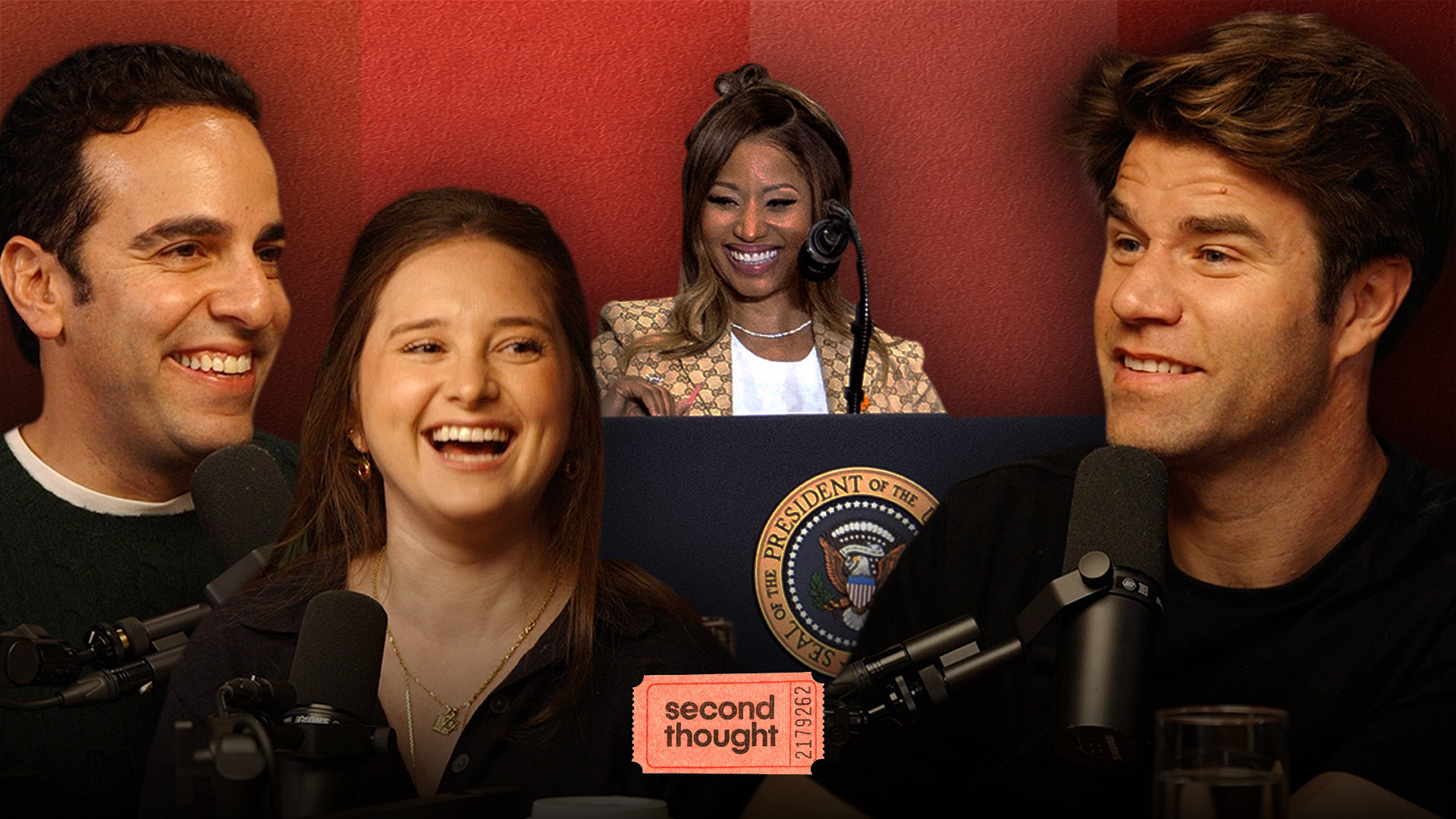
Is Nicki Minaj Trump's next press secretary? Plus: Olivia Colman gives up men for a pile of hay. A dietician’s guide to roadkill. Trading your handbag for a haircut. And more. President Trump is in the market for a new press secretary, and rumor has it he may have a favorite: rapper Nicki Minaj. Last weekend, the president gave Nicki his ringing endorsement at a rally in Michigan by telling the crowd she has “one hell of a beautiful ass,” and asking her to stand so they could admire it. Is the Queen of Rap the next mouthpiece …
Paid postSuzy Weiss ·
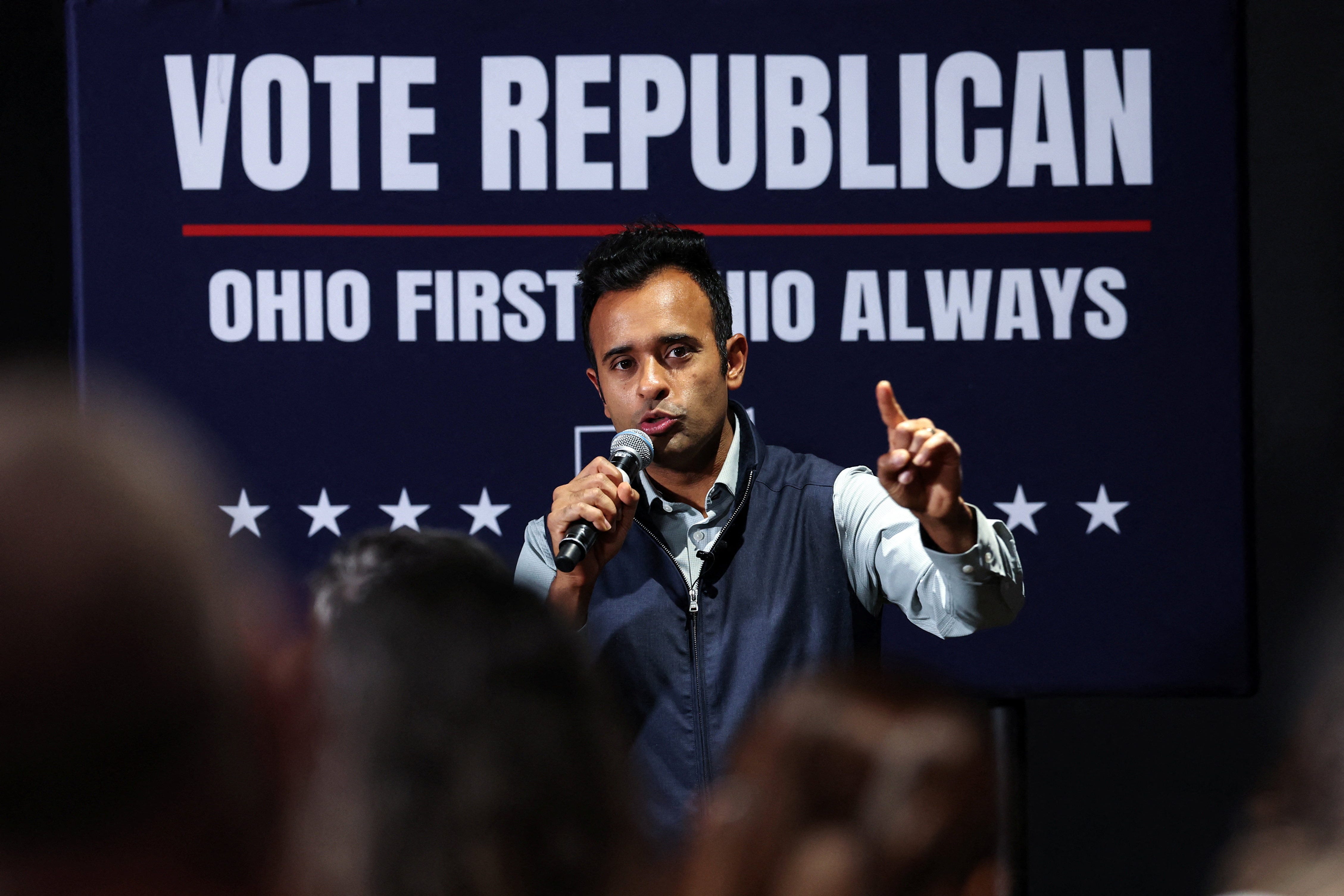
Voters are sifting through brutal attacks from both sides as Democrats close in on flipping a Trump stronghold, writes Audrey Fahlberg. THORNVILLE, Ohio — As Ohio Republicans tell it, this year’s Democratic gubernatorial nominee, Amy Acton, is a lying mental case who quit her pandemic-era position as the state’s public health director from the pressure, and who will quit on you again as governor when the going gets tough. A person, her GOP opponent explained to Republican voters inside a Champs Pizza in Thornville on Monday afternoon, “who is crazy, who is unstable, and who is a liar.” As Ohio Democrats tell it, the GOP gubernatorial nominee, Vivek Ramaswamy, is an out-of-touch snake-oil salesman who campaigns around the state on a private jet and who will use the governor’s mansion to enrich himself and his friends. A person, his Democratic opponent explained to voters later that day in Dayton, who is “only out for himself” and who, if elected, will “keep putting the wants of billionaires over the needs of the rest of us.” This is the state of the ugly governor’s race in the Buckeye State, where the mudslinging is off the charts and out-of-power Democrats are feeling hopeful that their gubernatorial nominee’s anti-corruption, anti-corporate messaging is giving them a boost in a race that should be a cakewalk for the GOP. Aggressive negative campaigning is defining this year’s midterms, even by historic standards. You can witness it in Texas, where Democratic Senate nominee James Talarico held an event with Jeffrey Epstein’s victims to insinuate that his GOP opponent, Ken Paxton, is complicit in a cover-up, while Paxton has repeatedly questioned Talarico’s sexuality. And things look nearly as bad in Maine, where GOP senator Susan Collins has pointed out that her Democratic opponent, Troy Jackson, fathered children by his second cousin, and Jackson later told Collins to “shut up” on a debate stage after she joked that a heckler was one of his supporters. Mark your calendars. The Free Press and 2WAY are teaming up for a real-time interactive election night special, November 3 from 8 p.m. ET until late. See you there. If the Ohio polls have it right (and they may very well be wrong), Acton has a narrow lead, and Republicans could be in for a shellacking downballot too. Surveys show tight races across the board, and a particularly competitive and expensive race for U.S. Senate between incumbent Republican Jon Husted, the former lieutenant governor tapped by Governor Mike DeWine to fill Vice President J.D. Vance’s seat, and Sherrod Brown, the former long-serving Democratic senator who lost to Republican Bernie Moreno by 3.6 points in 2024. Ohio isn’t an outlier: Tight surveys in a host of Senate battlegrounds have Republicans worried about the possibility of a blue wave nationwide.
Paid postAudrey Fahlberg ·
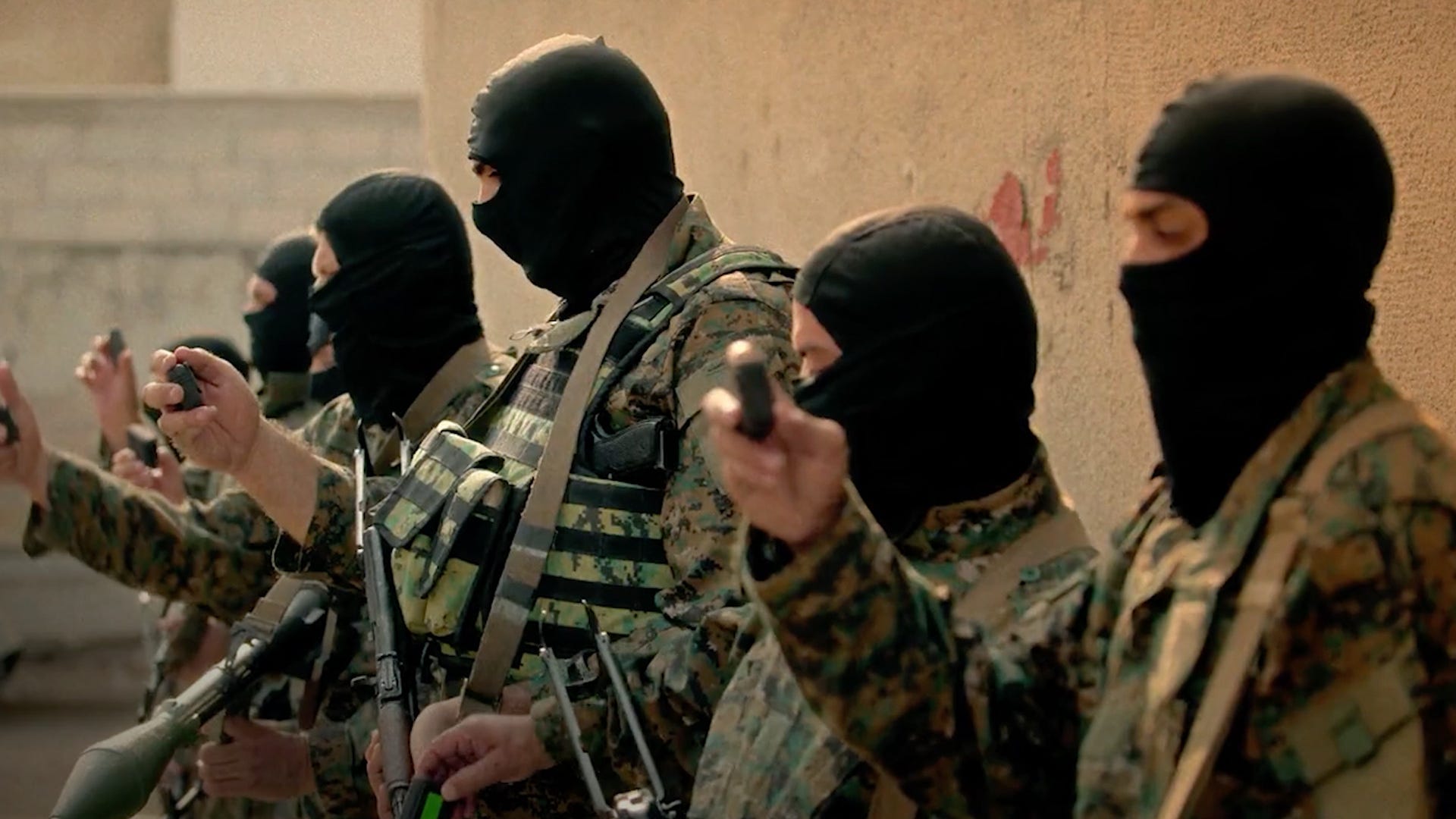
Hollywood these days is hardly known for its moral clarity. But in ‘Paging Hezbollah,’ Justin Folk bucks the trend, giving us an unvarnished look at the merciless marauders at war with the West, writes Liel Leibovitz. Once upon a time in Hollywood, the movies gave us a very clear sense of the world and of America’s place in it. Most of us learned our history at the movie theater, from blockbusters like Glory or Saving Private Ryan or The Green Berets. And we walked away with our hands greasy with popcorn butter and our hearts full of pride that we were the good guys fighting the good fight and keeping the world safe and free. How times have changed. These days, Hollywood either avoids reality altogether—good luck finding more than a handful of mute films about 9/11, say—or delivers grim portraits of Americans behaving badly (see: anything by Oliver Stone). Which makes the new documentary Paging Hezbollah all the more rare, refreshing, and outright wonderful. Paging Hezbollah tells the story of how the Israeli military managed to trick the Lebanese terrorist organization into using beepers installed with plastic explosives, pressing the button one day in the fall of 2024 and watching the devices—and with them scores of hands, noses, eyes, and testicles—explode. It’s a riveting tale, and the director, Justin Folk, enjoyed unprecedented access to Israeli officials, from Prime Minister Benjamin Netanyahu to David Barnea, the head of Mossad, Israel’s legendary intelligence agency. Indeed, this was the first time that the Mossad chief sat down for an on-camera interview to explain in detail precisely how he and his team pulled off one of the greatest operations in modern military history. Mark your calendars. The Free Press and 2WAY are teaming up for a real-time interactive election night special, November 3 from 8 p.m. ET until late. See you there. Incredible as these details are, they might’ve, in the hands of a lesser filmmaker, made for a mosaic of mere machismo, all boom and bluster and no soul. Thankfully, the man the Israelis trusted with telling their story also possesses a virtue no less important than the ability to spin a great yarn—a sturdy moral compass.
Paid postLiel Leibovitz ·

Steve Kronberg voted to legalize weed in Massachusetts 10 years ago. Next week, he will vote to make it illegal again. He’s not alone, writes Josh Code. Steve Kronberg voted 10 years ago to legalize recreational marijuana in his home state of Massachusetts, hoping that it would lead to a boost in tax revenue and a “cleaner product” compared with black-market weed. “I thought it seemed like common sense,” he told me. But next Tuesday, Kronberg, 63, will vote to make recreational cannabis illegal again. He plans to vote yes on Massachusetts Question 8, which would “prohibit the legalization, regulation, and taxation of the retail sale of adult recreational use marijuana” while keeping possession of small amounts legal. Massachusetts was the sixth U.S. state to permit the sale of recreational marijuana. Today, weed is legal in 24 states—and the Bay State could soon be the first one to reverse course. Since the vote to legalize cannabis took effect in 2018, Massachusetts’ marijuana industry has generated about $10 billion in revenue and $2 billion in state and local tax revenue, according to the state’s Cannabis Control Commission. The 943 licensed marijuana businesses in Massachusetts range from small family farms and cannabis-infused gummy manufacturers to delivery couriers and posh retail shops. Mark your calendars. The Free Press and 2WAY are teaming up for a real-time interactive election night special, November 3 from 8 p.m. ET until late. See you there. But there have been problems, too. A Massachusetts General Hospital study found that psychiatrist emergency hospital visits among young people between 12 and 17 rose sharply after the sale of recreational marijuana became legal in Massachusetts. (Marijuana sales are legal only for people who are 21 and older.) A separate study found that hospital admissions for cannabinoid hyperemesis syndrome, a condition caused by heavy marijuana use that entails vomiting, nausea, and intense cramps and can last for days on end, jumped 1,350 percent after legalization.
Paid postJosh Code ·
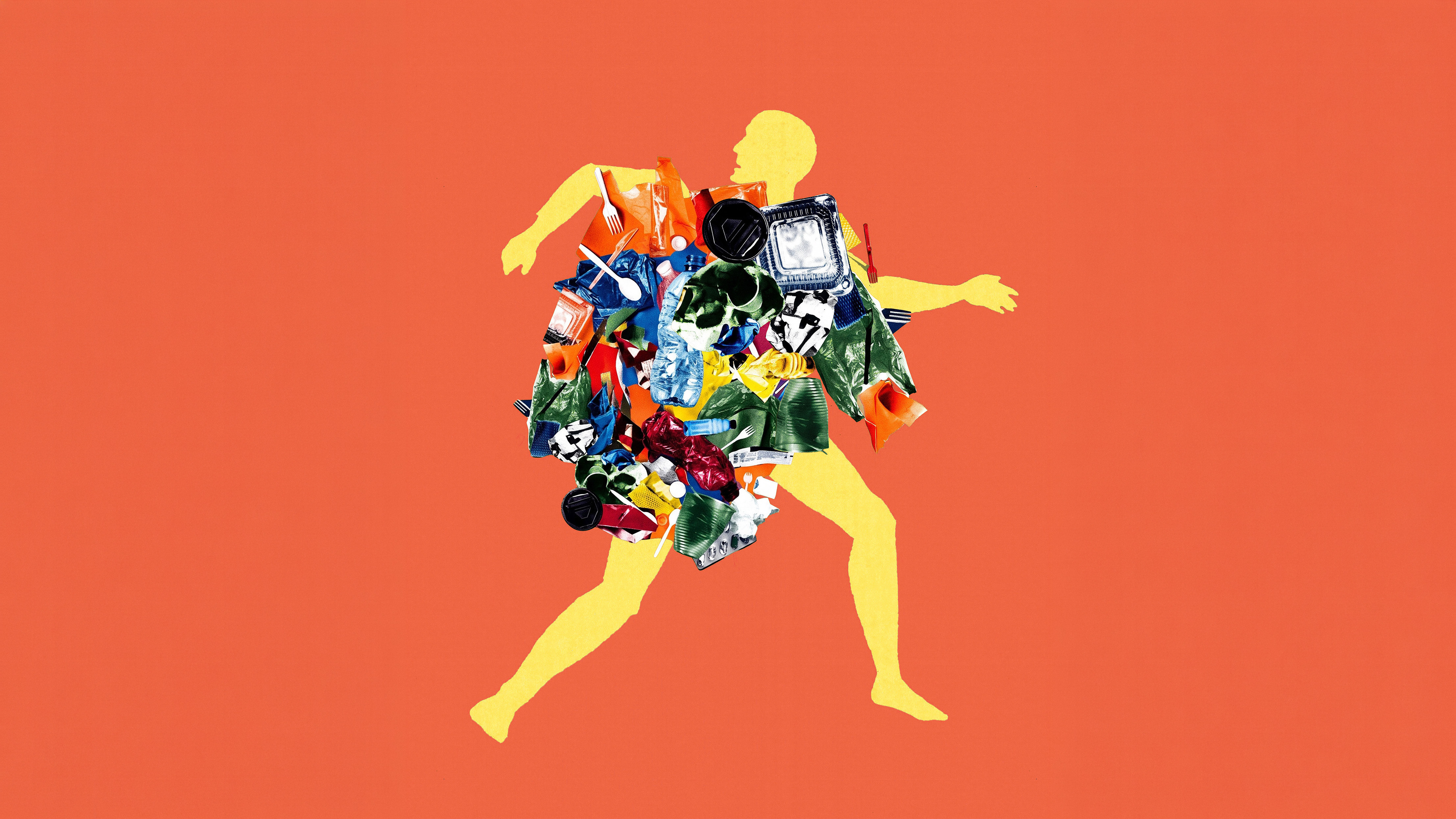
A new study suggesting everyday plastic could be bad for our health has the internet split between alarm and dismissal. Dr. Charlotte Grinberg explains what the evidence shows and the simple swaps worth making. A couple of years ago, I went through a plastic-exposure epiphany. It dawned on me that nearly everything my family touched involved plastic. We prepared food on it, heated food in it, and stored leftovers in it. My kids drank from plastic bottles, sucked on plastic pacifiers, and chewed on plastic toys and toothbrushes. And that was just the plastic I could see. So I decided, abruptly, that we needed to eliminate plastic from our lives entirely. I started reconsidering every item in our kitchen and playroom, and became suspicious of anything that came wrapped in plastic. “What are these?” my husband asked, holding up the plant-based storage bags I had bought to replace our Ziplocs. He looked up the price I had paid in our shared Amazon account and was shocked. Fifty cents a bag, compared to five cents for a Ziploc. My quest to rid our home of plastic lasted approximately one week. Plastic bags at the grocery store, plastic in all my kids’ toys they were unwilling to part ways with, plastic packaging around practically everything I bought. Trying to eliminate it entirely was exhausting, expensive, and, for most families, unrealistic. Mark your calendars. The Free Press and 2WAY are teaming up for a real-time interactive election night special, November 3 from 8 p.m. ET until late. See you there. If plastic is impossible to avoid, the question of whether it harms us matters all the more. Researchers have found tiny particles known as microplastics in our blood, brains, and placentas. Whether they hurt us, and how, is still unsettled. But a study published this month in Nature offers one possible explanation. Researchers found that the six common plastics, including the kinds used in food containers and bottles, can generate highly reactive molecules called free radicals when they come into contact with water. The more water-repellent the plastic, the more radicals it produces. And free radicals can damage cells, harm that’s been linked to heart disease and dementia.
Paid postCharlotte Grinberg, MD ·

No matter how the next Israeli government shapes up after this week’s election, anti-Zionists, antisemites, and peaceniks around the world will feel no less hostile, writes Douglas Murray. Years before Trump Derangement Syndrome, there was a longer-lasting and even more virulent strain of the phenomenon: Bibi Derangement Syndrome. Americans, Europeans, and everyone else in the world—even Israelis—can suffer from it. And as Tuesday’s election in Israel demonstrates, BDS is a vision-impairing condition. Go to Israel and have any normal experience in Tel Aviv, and you will return home wondering how on earth Benjamin Netanyahu was ever elected even once. After all, nobody you will meet has voted for him. Or at least admits to it. Look at almost any opinion poll, including those before the latest election, and you will consistently—almost systematically—see Netanyahu’s popularity vastly underestimated. He surprises every time. With him having been prime minister for 19 of the last 30 years and the longest-serving prime minister in Israeli history, the term “political survivor” doesn’t begin to do justice to Netanyahu’s political longevity. When he began his first term as prime minister, Bill Clinton was president of the United States, John Major was the British prime minister, and Jacques Chirac was president of France. Hafez al-Assad ruled Syria, King Hussein ruled Jordan, and Hosni Mubarak was Israel’s negotiating partner as Egyptian president. Nancy Pelosi had already spent 10 years in Congress.
Paid postDouglas Murray ·

Progressive candidates may have captured the limelight, but it is the more centrist Democratic candidates whose fate really matters next Tuesday, writes Ross Douthat. Twenty years ago, the last time an unpopular second-term Republican president faced a midterm reckoning, the Democratic Party relied on moderate and even conservative-leaning candidates to reclaim control of Congress. Heath Shuler, the former NFL quarterback, won a North Carolina House seat as a pro-life, pro-gun Democrat. Jim Webb, the former Reagan Navy Secretary and tribune of the Scots-Irish, won a Senate seat in a then–more Republican Virginia. A young politician named Kirsten Gillibrand captured an upstate New York House seat with an “A” rating from the NRA. If the Democrats win the Senate next Tuesday, it will reflect the success of a modified and limited version of that strategy. Yes, the 2026 campaign has featured big progressive bets, like Abdul El-Sayed’s candidacy in Michigan, and big progressive fiascos, like the process that yielded Graham Platner and then Troy Jackson in Maine. But in the end, the expectation that angry Democratic primary voters would turn this into a progressive Tea Party year, with a hyper-ideological cast of candidates, hasn’t matched the reality of the Senate races. Instead, Democrats are competing in swing states and reddish states because they mostly turned to nominees who could present as moderates. Those presentations are not the same thing as an authentic ideological independence. A lot of the Democratic candidates are tap-dancing around issues like immigration and transgender sports and surgeries rather than staking out clear differences with the base. There are no notable pro-life Democrats anymore. Mary Peltola, the Democratic Senate candidate in Alaska, and Josh Turek, her counterpart in Iowa, are the only prominent contenders who would qualify as anything close to pro-gun by 2006 standards. Figures like James Talarico in Texas and Adam Johnson in Kansas are leaning hard on a religious identity, and Talarico has done his best to disavow his past woker-than-thou litanies. But their worldviews are still well to the left of the typical religious voter in those states. Ohio’s Sherrod Brown is trying to reclaim his Senate seat based on a long-standing reputation as a blue-collar populist, but as a senator he never meaningfully challenged his party’s leftward shift on immigration. Then again, the Republican Party in 2026 is hardly a bastion of moderation. And when polarized conditions create an unmet public appetite for centrist candidates, it can be satisfied even by politicians who merely talk as though they aren’t prisoners of the party line. (This is something Trump himself demonstrated in both his winning presidential campaigns, which featured various moments of symbolic separation from GOP orthodoxy.)
Paid postRoss Douthat ·

The mom of a 6-year-old, who’s ‘not yet walking, talking, or even eating,’ has no patience for people ‘who want to complain about their problems.’ Our advice columnist Abigail Shrier weighs in. Dear Abigail, I have a 6-year-old son who has a genetic syndrome and is disabled. He is not yet walking, talking, or even eating. Other kids his age with the same syndrome are doing all these things, though they may be a bit behind their peers cognitively. We are traveling to the ends of the U.S., and possibly one day the world, to find someone who can help him in any way. I have three other children and a truly amazing husband. We do not have family nearby, so we handle this on our own. What I need help with is my mindset. I worry I’m becoming a bitter and un-empathetic person. I can handle carrying this weight, and day-to-day it is usually fine, but there are seasons that are harder than others. In those seasons—when the weight feels almost unbearable, but I keep fighting for my son—I have less patience for anyone outside my husband and children who want to complain about their problems. I have thoughts like: “Are you kidding me? You stubbed your toe, and you’re going to complain to the person who lost a limb? If you knew what I was going through, would you still share this? Want to trade?” I want to lecture them about how good they have it and how lucky they are. I don’t want to put in the effort to console them in any way. I simply find them irritating. It leaves me feeling more righteous in my anger and more bitter at the rest of the world, which is not how I want to live my life. I’ve tried therapy and read the books of other parents with special-needs kids, but neither fits. One insists on gratitude, but when I’m weighed down, I don’t want to focus on being thankful for what I have; the other insists on grief, and I can’t fully commit to that either, because I’m still holding out hope there’s more to find. How can I still be empathetic to the struggles of others, no matter how small they seem in comparison to my own? —Matilda, 41 Dear Matilda, Ever notice how easy it is to pick out the freshmen on campus? College, high school, doesn’t matter. They all wear a tentative and clueless look: fearful and apprehensive, striving and failing at the same time. Everything they do seems to take twice the effort it should. Every minor achievement, monumental. So, too, the minor setbacks. They are entirely ridiculous because, by definition, they show up entirely underprepared. They look like children to students only a few years older. They look like most other parents now seem to you.
Paid postAbigail Shrier ·
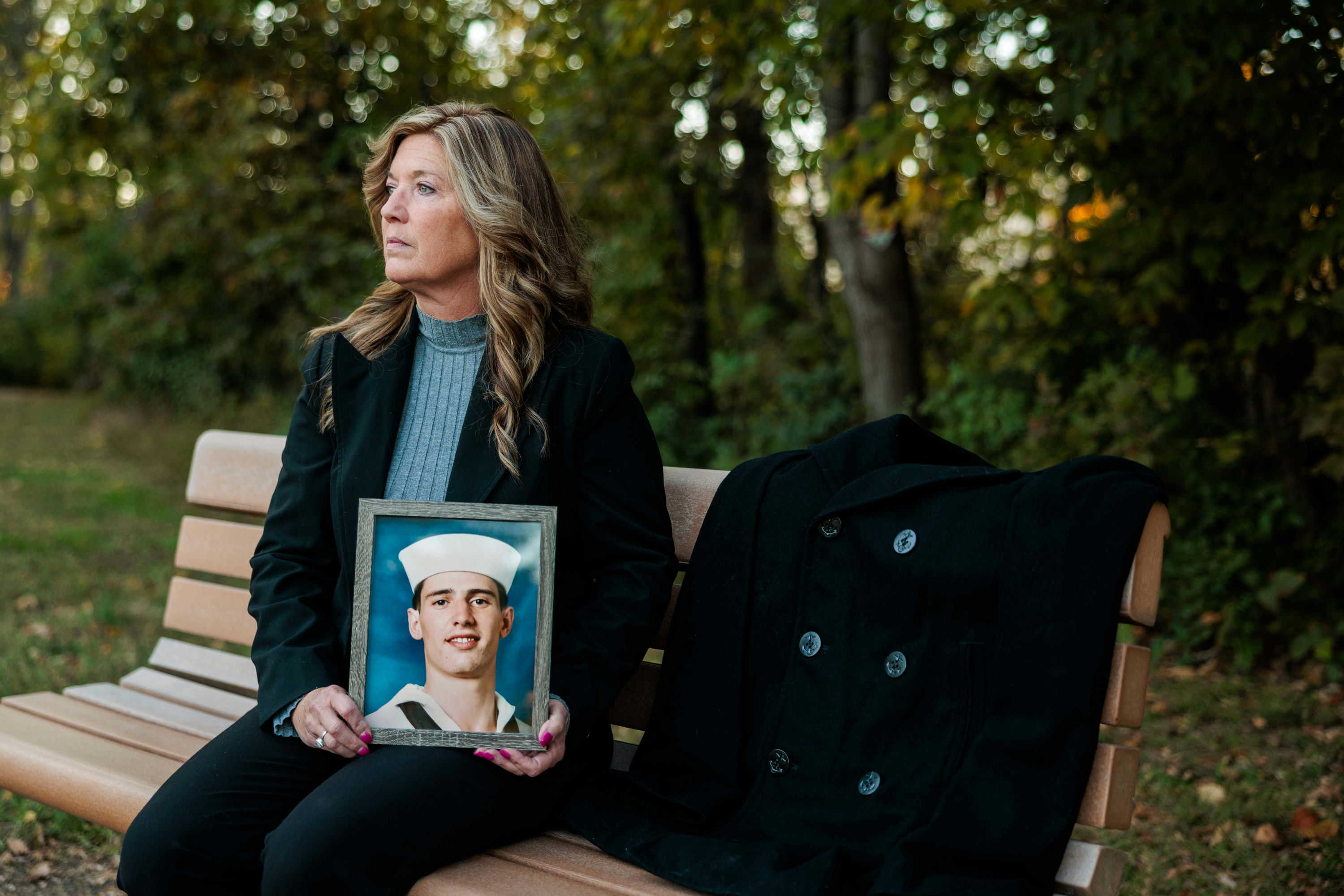
Kara Kennedy says: Let the moms party. Edward Conlon tackles New York City’s biggest crime problem. Coleman Hughes talks to Letitia James’ opponent. And much more. It’s Thursday, October 29. This is The Front Page, your daily window into the world of The Free Press—and our take on the world at large. Today: A former NYPD detective on why New York City assaults are so high—and how to fix it. Coleman Hughes meets the Republican challenging Letitia James. Kara Kennedy on how parenting became the suffering Olympics. And much more. But first: Americans are still behind bars in Russia. What is the government doing about it? Last week, the U.S. government celebrated the release of Stephen Hubbard, a 74-year-old retired schoolteacher arrested in 2022 after Russian forces accused him of manning a Ukrainian military checkpoint. Once Hubbard was back in the United States, the State Department boasted that “there are currently no Americans determined to be wrongfully detained in Russia.” But that’s not the whole story. There are at least five Americans or American residents who are still in Russian prison today and whose advocates say were targeted for political reasons. Among those locked up are Chuck Zimmerman, a U.S. Navy veteran pulled over by the Russian Navy while sailing in international waters and charged with arms trafficking after disclosing that he had a weapon on his boat. Olga Jezler was sentenced to prison after traveling to Russia to care for her sister with breast cancer. Border agents allegedly discovered hashish oil in Jezler’s bag and charged her with drug trafficking. And then there is Aleksandr Antonov, who fled the Soviet Union in the 1990s, became a U.S. citizen, and was arrested in 2025 while on a business trip. He was crossing the border from Russia to Estonia when guards searched his phone and found pro-Ukraine messages. Antonov was charged with inciting terrorism and sentenced to time in a Russian gulag. Why haven’t these people been declared “wrongfully detained,” a status that elevates their cases to the top levels of the U.S. government? And what, if anything, is the U.S. government doing to try to free them? I spoke to families, campaigners, and officials in search of answers to those questions. —Frannie Block MORE FROM THE FREE PRESS THE NEWS Flávio Bolsonaro arrived in Miami on Wednesday after fleeing Brazil to escape what he called “the politicization of the justice system.” He also claimed that he is the rightful president-elect despite losing to Luiz Inácio Lula da Silva. The Trump administration plans to issue visas to Bolsonaro and his family. Asian Americans are 43 percent of Harvard University’s incoming freshman class, the highest percentage in more than a decade. The percentage of black freshmen fell for the third year in a row following the Supreme Court ruling overturning race-based affirmative action in college admissions. Two high-speed trains crashed into each other on a railway in central Spain on Wednesday, killing at least 68 people. Transport Minister Óscar Puente said the accident was caused by an “inexplicable” order from a rail control center, not train engineers. The Senate race in deep-red South Carolina is neck-and-neck, according to a new New York Times/Siena University poll. Republican Darline Graham, who was appointed to her brother Lindsey’s seat after his death in July, leads Democrat Annie Andrews by less than one percentage point. South Carolina last elected a Democrat to the Senate in 1998. Iran rejected a new peace deal proposed through mediators from Qatar, calling the terms “unacceptable.” The war with Iran has cost at least $47.1 billion as of mid-October, up from about $37.5 billion in July.
The Free Press ·
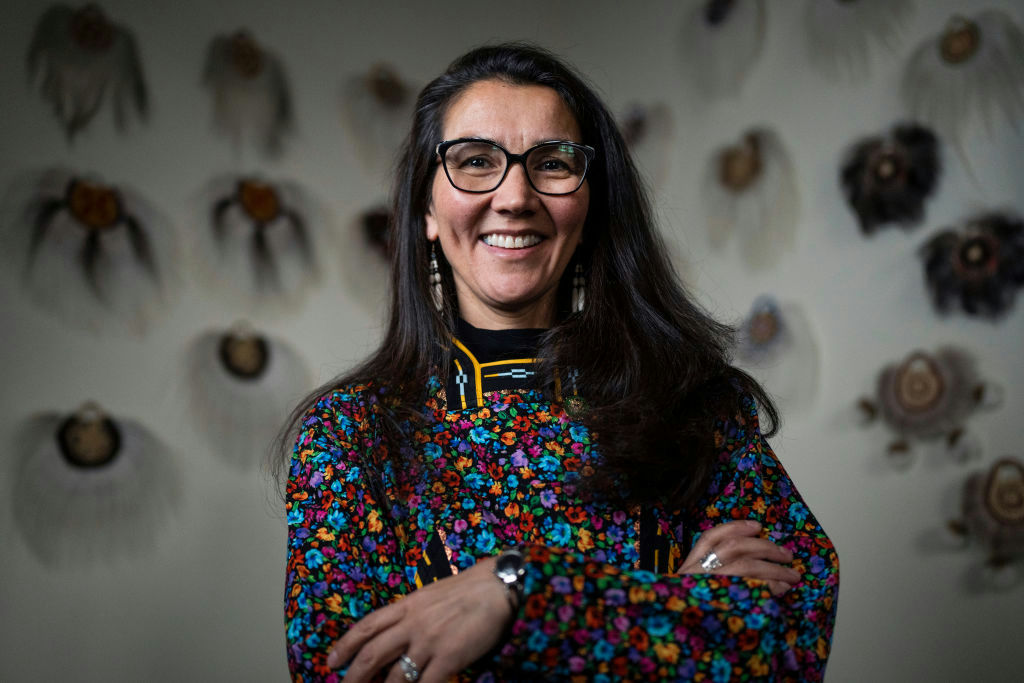
Skulduggery in the Alaska Senate race is the latest example of double standards from a party that claims to respect the sanctity of our elections. In the race to the bottom that is American elections, there is officially no high ground left to stand on. Democrats are demanding that voters elect them to save democracy, which they insist is threatened by President Donald Trump’s desire to meddle with the midterms. Now Americans will learn whether they meant any of it based on how they respond to brazen election meddling by one of their own. For months, the Alaska Senate race has smelled fishy to anyone without a cold. In May, Daniel J. Sullivan, who had never before sought office and has donated to Democrats, chose to register as a Republican and run against GOP incumbent Dan S. Sullivan, with both names set to appear on the general election ballot alongside Democratic challenger Mary Peltola. The upstart Sullivan—widely known as Decoy Dan—surely knew he might siphon away votes meant for the senator, and thereby give Peltola an edge.
Paid postThe Editors ·
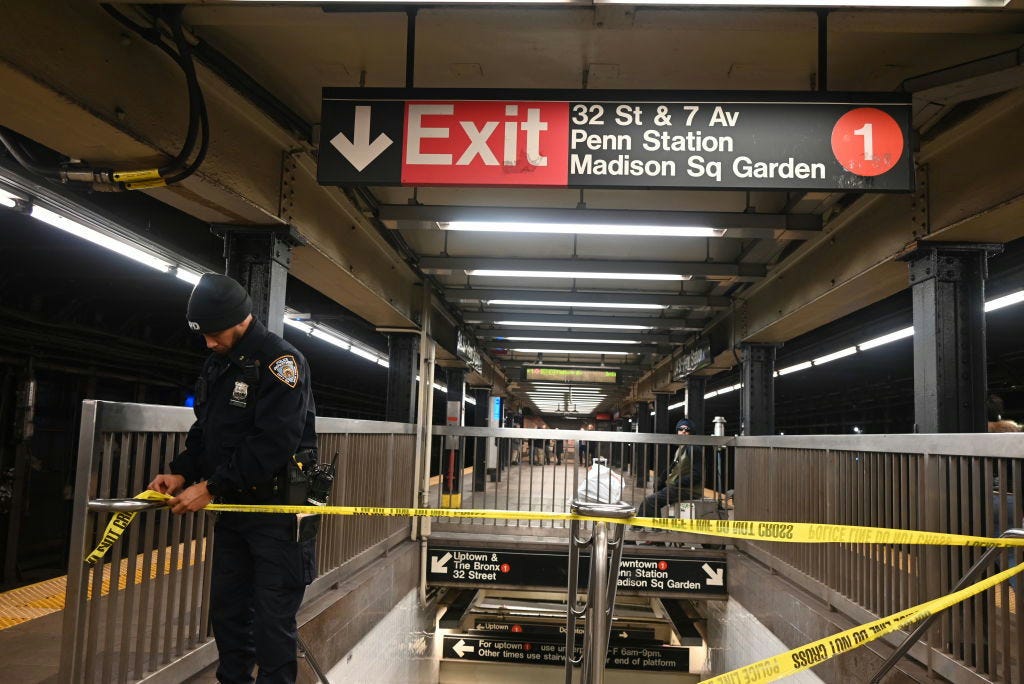
Murders and shootings are at a record low, but violent assaults keep increasing year after year. Mamdani and other leaders show little interest in doing what it would take to change that, writes Edward Conlon. In my detective days in the South Bronx nearly two decades ago, you had to go to the Complaint Room to write up an arrest with an assistant district attorney, ordinarily with the victim in tow. It was a high-volume operation in a low-rent venue, a wide expanse of cubicles and industrial carpet, with lots of familiar faces among the cops and prosecutors. One night, I ran into someone I didn’t expect to see: my cousin Brian, a New York City firefighter. “What the hell are you doing here?” I asked him. Brian’s engine company had gone out on a routine medical run at an apartment building, followed by an ambulance. One of the residents decided that the vehicle exhaust posed both a health hazard and a personal affront, and he decided to try to smash the fire truck’s window. Brian caught him, and a scuffle ensued. The perp was cuffed, hauled off by cops, and arrested for assault in the second degree, a felony punishable by up to seven years in prison. Some cases are complicated, factually messy, or legally tricky. This wasn’t one of them. Assault 2 covers attacks on firefighters and other public servants that prevent them from doing their jobs. It didn’t matter. The prosecutor decided to downgrade the charge to misdemeanor assault. I was told that Brian’s injuries—a few cuts and bruises—weren’t really serious. The plain language of the law didn’t matter.
Paid postEdward Conlon ·

Netanyahu did not win on Tuesday. In pure mathematical terms, he crashed. But he may have done just well enough for his highest priority: bringing down the Iranian regime, writes Haviv Rettig Gur. A neighbor told me a joke this morning: You asked the people of Israel one simple question, and they just can’t give you an answer. That seems to be what happened on Israeli election day on Tuesday. Contrary to expectations—and to exit polls late Tuesday night in Israel that showed the opposition in the lead—Benjamin Netanyahu’s coalition won 53 seats in Israel’s 120-seat parliament, the Knesset, while Gadi Eisenkot’s bloc took 48, and the two Arab parties won a combined total of 19. None reached the 61-seat majority required to form a government. As in any parliamentary system, Israelis don’t vote for an executive branch or a prime minister. They vote for a party, and the parties then negotiate among themselves to form a parliamentary majority. In Israel’s case, a governing coalition needs 61 seats in the Knesset. Once a majority is secured, the coalition can vote in a government. A minority government occurs when a party or bloc doesn’t have a majority of seats in the Knesset but has a plurality. Netanyahu could form a minority government if 53 seats voted for him, 48 voted against him and, for some reason, the Arab parties abstained. But the Arab parties, which are diametrically opposed to Netanyahu, won’t do that. So he has no path to a governing majority unless he pulls people over from the Eisenkot coalition. And there the chaos math begins.
Paid postHaviv Rettig Gur ·
Becoming a mom doesn’t have to be the end of everything that made your child-free life great. If you have given birth in America in recent years, you have surely participated in a conversation that sounds like this: One mom mentions she’s tired; another says she hasn’t slept through the night since March; the third says she has been up four times a night since the day her son was born, and now he’s 3 years old. None of them sleep train. And none of them has spent a night away from home in a hotel bed with an eye mask on and a “Do Not Disturb” sign on the door. Even if they secretly want to, they won’t risk it, in case their absence messes with their child’s emotional regulation and causes some vague kind of trauma in the years to come. You can’t trust a babysitter, because they don’t love your kid as much as you do. Grandma is miles away, probably on a cruise. And you can’t count on your husband, who isn’t fluent in the cult of helicopter parenting, because he might put the TV on, or hand the toddler a slice of pizza and let bedtime slide to 9 p.m. He might even forget to use the fluoride-free toothpaste. I’ve heard all of this before. So earlier this week, when the internet exploded over a mother asking whether she should leave her kids to go away for the weekend with friends, I knew what was going on. It all began with an anonymous post on X, which I will quote in full, because it is so profoundly representative of the problem with the intensive parenting model that prevails in the 2020s: My friend wants to plan a couples, no-kids weekend getaway, splitting the cost of a large Airbnb, in January for her 30th birthday. I really do not love this idea (husband is mortified), neither to spend the money nor to get someone to take the toddler for 3 days. It would be a 2.5 hour drive away for us, too, so it’s not like we’re close if something happens. I haven’t been away from him for even one night yet and he still just seems so young! It would be very hard to leave him for that long. Am I just a party pooper who needs to get over it? Genuine question. Like I actually need advice here guys.
Paid postKara Kennedy ·
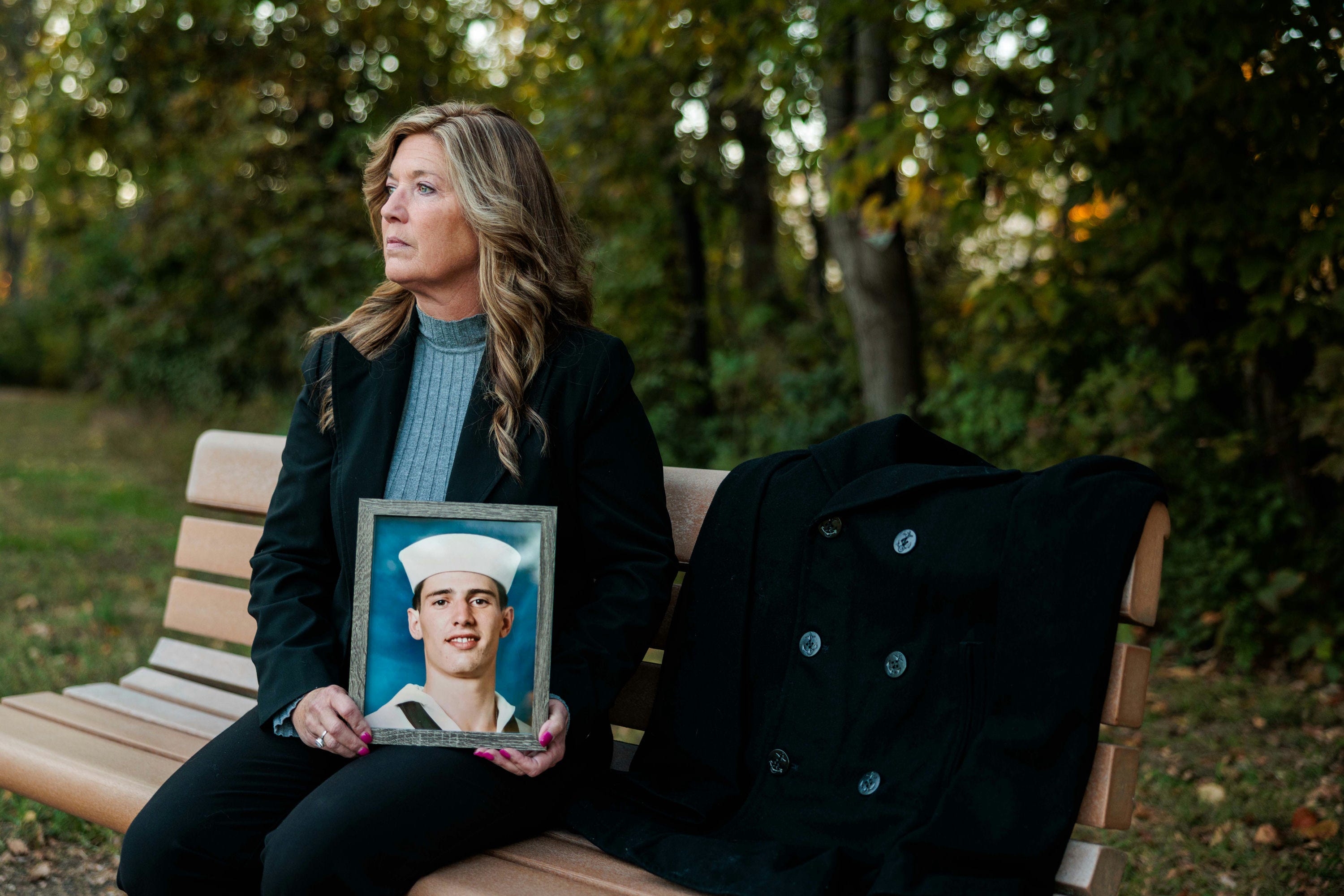
The Trump administration boasts that no more Americans are 'wrongfully detained' in Russia, but at least five are still behind bars, forgotten by almost everyone but their families, writes Frannie Block. When Robin Stultz’s brother Chuck Zimmerman texted her to say his sailboat was being trailed by the Russian Navy in the Black Sea back in June 2025, she thought he was kidding. “Pics or it didn’t happen!” Stultz texted on Tuesday, June 17, at 10:23 a.m. Eastern Time, followed by “lol” and two laughing emojis. Then he sent the picture. It depicted slightly choppy waters, a burnt-orange sunset forming in the background, and at the center, what looked like a small warship. “In a 150 ft ship—with guns,” he said. Zimmerman, 58, would detail to his sister over text how he was forced by the Russian Navy to sail 22 hours from the international waters he was in toward the Russian port of Sochi. There, Russian naval officers hopped aboard the used sailboat he had purchased with his life savings nearly a year before. Zimmerman, Stultz told me, wanted to take a sailing trip around the world—a lifelong dream of his since his years as a Navy engineer aboard the USS Nimitz.
Paid postFrannie Block ·
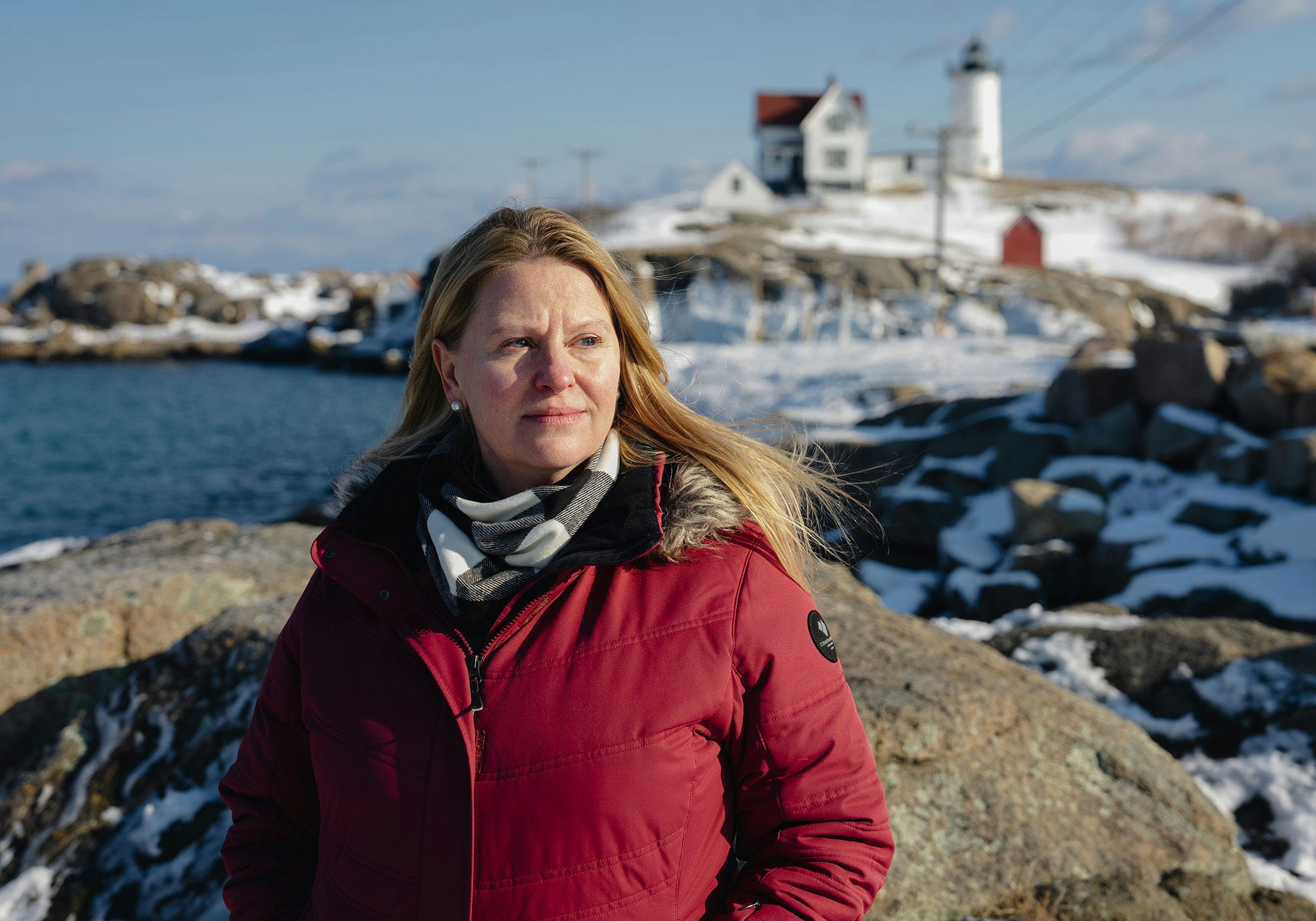
Back in 2020, Tiffany Riley was fired from her job as a school principal over a Facebook post. The world seems to have moved on from that era, but Riley says she can’t, writes Frannie Block. In the heart of Vermont lies the small town of Windsor—population: 3,559—otherwise known as the “birthplace” of the state. It was here that Vermonters adopted their first constitution in 1777. “The people have a right to freedom of speech,” it declares, “and of writing and publishing their sentiments.” On June 10, 2020, in the febrile weeks after George Floyd was murdered, Tiffany Riley, the principal of Windsor School, availed herself of that right—then watched in horror as her life was torn to shreds. It began, as so many cancellations did that year, with a Facebook post. “I firmly believe Black Lives Matter,” she wrote, on her private page. “But I DO NOT agree with coercive measures taken to get this point across.” “Just because I don’t walk around with a BLM sign should not mean I am a racist,” she went on. “While I understand the urgency to feel compelled to advocate for black lives, what about our fellow [Americans in] law enforcement?” The backlash was swift, and brutal. Within 48 hours, the superintendent of the school district had told her she was being put on paid administrative leave—“while we negotiate an exit strategy”—and the school board had sent an email to all parents and staff at Windsor School decrying the “ignorance, prejudice, and lack of judgment” in Riley’s post. Some parents disagreed with the board, but Riley didn’t know this at the time. In Windsor, she felt like a pariah. From there, her story morphed from a small town scandal into what Riley calls a nationwide “firestorm.” National outlets like the New York Post covered it, while a national free speech advocacy group rallied to defend Riley’s right to keep her job. The media portrayed her as a villain, or as a hero, depending on which slice of the political spectrum they were catering to. “People’s reactions, regardless of the side, just felt so blown out of proportion,” she said.
Paid postFrannie Block ·
In today’s Front Page: The midterms are six days away—here’s where things stand. Plus, what to know about Israel’s election results, a dispatch from Rome’s violent protests, and Josh Kaplan spends a night at Macklemore’s “Free Palestine” tour. It’s Wednesday, October 28. This is The Front Page, your daily window into the world of The Free Press—and our take on the world at large. Today: Haviv Rettig Gur and Maya Sulkin make sense of Israel’s election results, live. Ani Chkhikvadze reports from the riots in Rome. Josh Kaplan attends rapper Macklemore’s “Free Palestine” tour. And much more. But first: Do Americans think the country is headed in the right direction? Can a Democratic pastor win in deep-red Kansas? And why won’t Abdul El-Sayed denounce an absurd, offensive new ad? The midterm elections are just six days away, and the vote is set to be a referendum on Donald Trump and the state of the country under his leadership. So, how do Americans really think things are going? That’s the question we set out to answer with the latest installment of our polling series, The Honesty Project, a partnership between The Free Press and opinion-research think tank Populace. We asked Americans a simple question: Where is the country headed? Read today’s first offering on the looming election to find out how Americans answered that question—and what new divides are emerging as the midterms approach. Up next, River Page reports from Kansas. He was there to cover a peculiar trend that has emerged this cycle: current and former Christian clergy running as Democrats. One is, of course, James Talarico, who is running for Senate in Texas. But maybe the most interesting is megachurch pastor turned Kansas Senate candidate Adam Hamilton. Republicans have long campaigned on their Christian faith, but they’re also eager to discredit Democrats who do the same. River went to the Sunflower State to report not just on Hamilton’s surprisingly competitive Senate bid but also on a bigger question: Can openly professing Christian faith help Democrats win back red-state voters? The contest for the worst campaign ad this cycle is a competitive one. There was Vivek Ramaswamy’s ad last week featuring his opponent’s estranged mother. Then, over the weekend, an independent PAC supporting Democratic Senate candidate Abdul El-Sayed depicted a couple lamenting that they couldn’t afford bananas and eggs because they had to set aside money for U.S. aid to Israel—or, as they put it, “for killing Palestinians.” Prominent Democrats have denounced the ad, but El-Sayed’s campaign has not. Why not? Eli Lake examines the campaign’s silence—and what it reveals about the man at its helm. —The Editors Decoding Israel’s Election Results Polls are closed in Israel’s first national elections since before the October 7 attacks. Now, the question on everyone’s minds in Israel is this: In the race between Benjamin Netanyahu and Gadi Eisenkot, who can actually put together the 61 seats required to wield power in the Knesset? The negotiations are complicated, and could take weeks. In the meantime, with 70% of the vote counted, Netanyahu’s bloc at approximately 54 seats, Eisenkot’s bloc at 47, and the Arab parties at 19. What will happen next, and what does this all mean for Israel? Maya Sulkin and Free Press Middle East analyst Haviv Rettig Gur will offer some answers today at 10 a.m. ET, live on X and Substack. Watch the livestream here, and if you have burning questions for Haviv, post them in the Free Press Forum. MORE FROM THE FREE PRESS THE NEWS Brazilian politician Flávio Bolsonaro has fled to the United States after he lost Sunday’s presidential election and his country’s Supreme Court ordered the seizure of his passport. The White House has granted asylum to Bolsonaro and his family, likely on the grounds of risk of judicial persecution, Reuters reported on Tuesday. The U.S. Federal Election Commission’s website has been hacked, causing disruptions to its electronic filings sys…
The Free Press ·