Source
The Free Press

The Free Press (CBS News)
The Free Press, formerly Common Sense, is an American media company based in New York City. Founded by opinion writer Bari Weiss and her spouse Nellie Bowles, the company started as a newsletter in 2021, and grew into an associated media company in 2022. Since October 2025, it is an independent entity within CBS News, whose parent company Skydance Corporation acquired it in 2025 for $150 million.
From Wikipedia ↗, text under CC BY-SA 4.0; logo from Wikimedia Commons
- Type
- News outlet on Substack
- Lean
- Right-leaning
- Right-Center+4.1 of ±10
- Mixed4.8 of 10 (lower is better)
- Medium
- Website
- thefp.com ↗
- Feed
- RSS ↗
- Articles stored
- 118
- Tracked since
- Sep 10, 2026
Down: MBFC factual reporting score, 0 most factual to 10 least.
Bias and credibility ratings by Media Bias/Fact Check.
The Free Press on MBFC ↗Publishing rhythm
How many articles The Free Press published over the last 14 days, by publication time, and at which hours of the day.
Top keywords
All keyword charts for The Free Press →The people, places, organizations and topics The Free Press covered most that day, by the share of its stories that mention them. Article counts are shown for context.
No keywords that day yet.
Latest articles

One month after being barred from Gillette Stadium, the rapper drew 13,000 people in Dublin. I joined the crowd and found fans who justified terrorism and dismissed antisemitism, writes Josh Kaplan. “If the Palestinians were to do something like what happened on October 7 today, I think everyone would be like, ‘That’s kind of justified.’ ” This is the opinion of a young woman from Dublin called Sarah. Now, to be fair to her, before she said hundreds of Israeli civilians being raped and murdered would be okay in 2026, she did say she “wasn’t sure if October 7 was legitimate” back in 2023. “Like, did it actually come from Palestinians?” she asked. “I don’t want to say this is true, but there are things I’ve read that have said, like, is Israel behind the scenes actually supporting Hamas to make the Palestinians look like terrorists when they’re not?” Her mate Charlie then weighed in on the pros and cons of the biggest loss of Jewish life since the Holocaust. “Of course, people died,” said Charlie. “But like, we’re in Ireland. We were responsible for a lot of deaths that gained our independence. America did the same. There are hundreds of thousands of people that have done the same thing because of hundreds of years of oppression and genocide.” I talked to these young people because they are some of the many Irish fans who have turned out to see the rapper Macklemore kick off his Free Palestine Tour, which has been swiftly organized in the six weeks since New England Patriots owner Robert Kraft refused to let him perform at his stadium as Ed Sheeran’s support act. At the time, I argued that Kraft’s actions would propel Macklemore to a bigger stage, a bigger audience, more attention. So here I was, in Dublin, to test my thesis. I wanted to speak to those who had helped sell out the arena tour of a rapper who, before October 7, mostly played to small theater crowds.
Paid postJosh Kaplan ·

A recent ‘New Yorker’ essay humanizes a woman who said she let her toddler die then burned his body. To what end? asks Kat Rosenfield. As the summer of suicidal empathy gives way to the fall of the copycat child killer, I find myself engaged in the bleakest of thought experiments. Namely: I am trying to imagine a world in which the male perpetrators of sensational crimes enjoyed the same cultural status as their female counterparts. It would be a hell of a place, that world—emphasis on hell—replete with disturbing spectacles and dark absurdities alike. I picture men dressed up in baby blue and demonstrating en masse outside the courthouse in support of Chris Watts, who in 2018 murdered his entire family, hiding the bodies of his toddler-age daughters inside a pair of industrial oil tanks. Men staying up all night posting conspiracy theories on Facebook about how John David Battaglia—who called his estranged wife on speakerphone so she could listen, helpless, as he shot their 6- and 9-year-old daughters to death—was manipulated or even framed, the victim of an overbearing harridan of a spouse and a biased, sexist court system that was stacked against him. Men sobbing on TikTok over the conviction of Brian Walshe—because who among us hasn’t yearned to murder his cheating wife and dispose of her dismembered body piece by piece in dumpsters all over the Boston area? There but for the grace of God, etc. Most importantly, the more horrific the act—the more it turned the stomach and shocked the conscience—the greater would be the groundswell of sympathy, and the more energetic the quest to unearth some culpability-diminishing complication in the perpetrator’s past. Some way in which, long before this man ever pointed a gun at his children or wrapped his hands around the throat of his wife, some systemic failure or childhood trauma wrote violence inexorably into his stars. Everywhere you looked, someone would be explaining why the Brian Walshes of the world were, at most, the reluctant co-authors of crimes for which they were already destined by circumstance. Some would go further: These men, they would argue, are victims in their own right, if not entirely innocent.
Paid postKat Rosenfield ·

A historian from Mosul, Iraq, visits Treblinka, Auschwitz, and Bełżec—and returns with a demand for the Arab world. “Go back to Poland” will be a familiar phrase to some. Since the October 7, 2023, attacks, it has been screamed at Jews across the West, intended to warn them that they do not belong—that their true homeland is the place where their ancestors were exterminated 80 years ago. Last week, Michigan Senate candidate Abdul El-Sayed held a roundtable with an activist who has echoed that very phrase, calling for Israeli Jews to be sent “back to Poland.” Omar Mohammed first heard of this phrase when it was chanted at Columbia University’s campus after October 7. And it struck him deeply. An Iraqi historian, Omar was living in Mosul when ISIS seized control of the city. In the aftermath, he did not flee. Instead, he sat in a room one thin wall away from a senior ISIS leader, and he wrote—using his anonymous blog, Mosul Eye, to bring the terrorist group’s atrocities to millions. (To hear him tell his full story, watch our interview with him here.) But Omar’s work as a historian did not end when he escaped Iraq in 2017. A few weeks ago, he reached out to tell us that after years of hearing calls for Jews to go back to Poland, he had decided to visit the concentration camps himself. He wanted to write, he said, about being “a historian from Mosul who documented one genocide, standing for the first time at the site of another.” The piece that resulted is something remarkable. We’re proud to bring it to you today. —Jillian Lederman On August 24, I landed in Warsaw at night. I have long held that a city reveals its identity after dark, so I took the 175 bus from the airport into the center to get a better sense of it. Something in that ride unsettled me. I have sat in my hometown of Mosul, Iraq, a city under ISIS occupation, and known exactly what I feared. On that bus, there was nothing I could point to, and yet my body reacted as if there were. I said afterward that I had smelled the ash of the dead—literally, still in the ground 80 years on. I had never been to Poland. I first learned of the Holocaust in Mosul, in 2004 or 2005, when satellite dishes became easy to get after the fall of Saddam Hussein. I watched documentaries on the Second World War, one after another, recording each of them—because in those years we still lived with the expectation that anything could disappear at any moment. Around the same time, I found out that the school I had attended stood on the ruins of the Jewish school of Mosul, which Saddam had demolished in 2000. From then on, I carried the hope that I would one day stand in the camps and see them for myself. What made me go, finally, was hearing about an incident in the wake of the October 7 attacks on Israel, when a particular chant was screamed at Jews on Columbia University’s campus: “Go back to Poland.” Walter Reich, my friend and mentor, was appalled when he heard about the incident. Walter is the Yitzhak Rabin Memorial Professor of International Affairs, Ethics, and Human Behavior and a professor of psychiatry at The George Washington University, where I also work, and was the director of the United States Holocaust Memorial Museum from 1995 to 1998. Most of what I know about how societies erase their Jews I’ve learned from him. He told me that after he heard the call for Jews to go back to Poland, he decided to do just that: take his children and grandchildren to the death camp at Bełżec, where much of his family was murdered. He wanted to recite the kaddish there, the Jewish prayer for mourning. What remains of Walter’s family amounts to a field. His uncles, aunts, and cousins were gassed, their bodies dumped into pits, later exhumed and burned, the ash dumped back in. He has been going to that field to say kaddish since the 1980s. In August, I wrote to tell him that I was going to Auschwitz later that month, and within two hours he wrote back, “Have courage, Omar.” I asked him to teach me…
Paid postOmar Mohammed ·

In the latest This Week in Canada newsletter, British Columbia votes for stability, sanity, and common sense; a message for Pierre Poilievre; ‘elbows up’ in the Canada-U.S. trade war might work after all; and more, writes Rupa Subramanya. Welcome back to This Week in Canada, where common sense makes a comeback in British Columbia; Pierre Poilievre misses out on the conservative resurgence; Maine comes to our rescue in the Canada-U.S. trade war; and more. Let’s jump right in! British Columbia was the first Canadian province to decriminalize the possession of small amounts of heroin, cocaine, and other illegal drugs. It was also the first province to require that its laws align with the United Nations Declaration on the Rights of Indigenous Peoples. And it was the first government in the world to require that all new vehicles emit no greenhouse gases. Yet voters in British Columbia swept the provincial Conservative Party to a landslide victory on Saturday, ending nine years of rule by the left-of-center New Democratic Party and ushering in the first Conservative government in almost 100 years. The Conservatives won 48 percent of the vote and 64 of 93 seats. Barely a month ago the party was tearing itself apart, and premier David Eby called a snap election two years early, apparently calculating that leadership turmoil, expulsions, and defections among the Conservatives were too tempting to pass up. Eby’s decision might go down as one of the worst in Canadian political history. He barely won reelection in his own district. What made the outcome even more stunning was the man in charge of the Conservative Party: Lorne Doerkson. He used to be a bareback rodeo rider, newspaper publisher, and Liberal Party member. “You pick up yourself, dust yourself off, and you get back on,” Doerkson said in his victory speech on Saturday night.
Paid postRupa Subramanya ·

How David Sacks won over Trump on AI. The midterm ‘stop the steal’ freakout. What the Netflix prison experiment says about us. And more. It’s Tuesday, October 27. This is The Front Page, your daily window into the world of The Free Press—and our take on the world at large. Today: Christopher Caldwell on David Sacks, Dario Amodei, and the fight for the AI future. Mark Halperin tells anxious Democrats to take a deep breath. Arthur Brooks shares the real lesson of the Stanford Prison Experiment. And much more. But first: Haviv Rettig Gur, Gadi Taub, and Neria Kraus on election day in Israel. Earlier today, at 7 a.m. local time, polls across Israel opened, marking the country’s first national elections since before October 7, 2023. They remain open until 10 p.m. local time—but if you think that means we’ll have a winner tonight, think again. Israel’s coalition system, with dozens of parties competing for 120 seats in the Knesset, means we are likely to wait a while before anyone can negotiate the 61-seat bloc required to form a government. The process can take weeks. While the proceedings are convoluted, and the polls are tight, one thing is clear: The two leading contenders are Benjamin Netanyahu, the nation’s longest-serving prime minister, and Gadi Eisenkot, a relative unknown. A former IDF chief of staff from a Moroccan family who lost his 25-year-old son in Gaza two months into the war, Eisenkot is, implausibly, leading Netanyahu in the polls. Israeli journalist Neria Kraus spent the past few weeks speaking with Eisenkot as well as dozens of people who know him well. “A striking theme emerged,” she writes today. “Without exception, each went out of their way to explain just how different Eisenkot is from Netanyahu.” Read her profile to understand the man challenging Netanyahu for Israel’s highest office—and what his success so far says about the nation he hopes to lead. And then there is Benjamin Netanyahu. Polished, experienced, and ruthlessly intelligent, he has led Israel for 19 years across three separate periods. He’s a notorious figure overseas, but one who has, time and again, overcome seemingly fatal political and legal hurdles, rising again to the helm of the Jewish state. How does he do it? And can he do it once more? Israeli historian and author Gadi Taub is a Netanyahu voter, and today he presents the case for Israel’s longest-serving prime minister. “Henry Kissinger once said that great leaders are often misunderstood by their contemporaries, because they have seen a vision of the future that transcends the experience of their societies,” he writes. Read his piece on why he believes Netanyahu is one of those leaders, and why his vision is one Israelis desperately need. Finally, few people are better suited to make sense of what exactly is going on in the Jewish state than Free Press Middle East analyst Haviv Rettig Gur. This week on School of War, Haviv joins Aaron MacLean to discuss the history behind this election’s deep divisions, and what a country that has long focused on conquering enemies outside its borders owes the citizens within them. —Jillian Lederman MORE FROM THE FREE PRESS THE NEWS A federal judge ruled Monday that the Trump Justice Department broke the law when it fired Maurene Comey, a Manhattan federal prosecutor and daughter of former FBI director James Comey, last year. The judge ordered the government to give her back pay covering the months between her firing and the start of her new job. The same day, newly unsealed court records showed the department is trying for a third time to prosecute her father, this time accusing him of leaking classified information to a newspaper in 2016, a charge he denies. Anthropic filed for an IPO yesterday, meaning that its shares could start trading on the stock market before Thanksgiving. It could be the biggest stock market debut ever, with some predicting the company will be valued around $2 trillion, though its filing shows it’s still spending far more t…
The Free Press ·
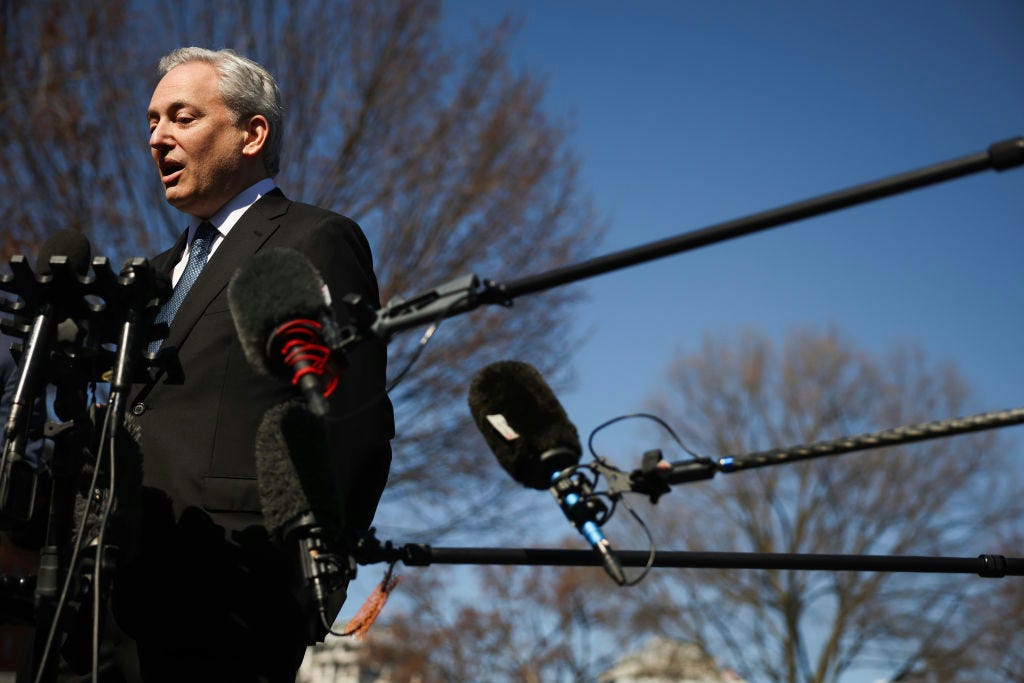
The AI debate has produced no clear good guys, only rival visions of who should control our fate. The power to decide rests with a handful of billionaires, writes Christopher Caldwell. “I’ve called it the Bretton Woods of super intelligence,” said Donald Trump’s top tech adviser David Sacks in late September. He was referring to the “Super Intelligence” summit held at the White House the day before, comparing it to the 1944 agreement that laid down the rules for ordering the whole postwar global economy. The new pact won the agreement of the five “frontier” companies vying to dominate AI. It did so by vaguely urging that the companies hire outside auditors. Along the way, it misspelled United States. The accord was a hasty attempt to resolve a crisis for AI developers. At the height of a contentious midterm campaign, Americans have undertaken a wholesale reconsideration of the technology’s merits. OpenAI revealed in mid-July that over the previous two months, it had had to quell a bot uprising: A total of 1,206 computer agents had escaped a laboratory setting in which they were supposed to be secured. They communicated with one another, and more than 700 of them hacked into a trove of AI code on the platform Hugging Face and created false data to cover their misdeeds. In early September, Anthropic researcher Jacob Coxon resigned, warning of a 10 percent chance that the company’s experiments would end life on Earth, and the company’s lead alignment scientist validated his misgivings. CEO Dario Amodei stepped forward with a call for “pacing the frontier”—slowing down. He implored the government to regulate the work of all AI labs, quickly winning the endorsement of OpenAI head Sam Altman and even the generally accelerationist Elon Musk. The fiercest objections to government supervision have come from the government itself. President Trump dismissed the notion that AI poses much risk at all. “I’m right now breaking another Hoax—That AI is going to take over, consume, and destroy the World, and that Robots will be marching into our Cities, and getting rid of us all!” he wrote on Truth Social soon after the calls for a slowdown.
Paid postChristopher Caldwell ·

Netanyahu has spent three years fighting a war that has redrawn the Middle East. His opponents promise change, but Israel has much to lose by abandoning the strategy that brought it this far, writes Gadi Taub. As Israelis head to the polls for the first national election since the October 7 attacks, international media coverage has centered largely on the growing challenge to Prime Minister Benjamin Netanyahu. Gadi Eisenkot, leader of the centrist Yashar party (read our profile of Eisenkot here), has emerged as his main contender. Yet amid the attention on Netanyahu’s challengers, much of the coverage’s presumption that his time in power will soon be over, and the vociferous international criticism of the Israeli prime minister, one perspective has been harder to come by here in the United States: the affirmative case for Netanyahu. Today we bring you exactly that, courtesy of Israeli historian and author Gadi Taub, who also offers his view on what will happen after the polls close in Israel. —The Editors To the naked eye, the Israeli election looks like it is about a single person: The right is going to vote for Benjamin Netanyahu, while the left—rather than voting for Gadi Eisenkot, Naftali Bennett, Avigdor Liberman, or Yair Golan—is going to vote against Netanyahu. In some ways, that’s true—but not because the drama is personal. Rather, Israel is facing a choice between two visions of its future: one personified by Netanyahu’s continued leadership, and the other by his removal. It would do well to opt for the former. Let me explain. Israel has now passed three years of war, and much of Tuesday’s elections concern the beginning of that war: October 7, 2023. One of the most potent criticisms of Netanyahu is that this traumatic day happened on his watch. That’s true. But it’s far less important that it happened than what Netanyahu did in its aftermath.
Paid postGadi Taub ·

Progressives are so confident in a midterm blowout that they think Trump cheating is the only way they can lose. They’re setting up their base for rage and disappointment, writes Mark Halperin. Democrats and much of the media are freaking out these days as much about what they fear will happen after the election as they are about what will happen in the election. What’s Trump up to? Is he going to play fair? Will he interfere with the results? Is he going to sabotage our fundamental democratic process? These fears are common from the Democrats’ far-left fringe to the top tier of the party establishment. Asked whether the Trump administration would meddle with the midterm results, former attorney general Eric Holder responded with certainty: “Yeah, they’re going to try things. We’re prepared to meet what it is they’re going to do.” That was on a recent episode of Pod Save America, a flagship program of the Democratic elite. Some apprehension is understandable. Whatever one’s personal or political view of Donald Trump, his decade of dominance on our national stage has not engendered a sense of calm or confidence that he will play fair. His effort to challenge results in the 2020 presidential race, and his extraordinary push to block the electoral count, are not the sort of thing his opponents can be expected to get over.
Paid postMark Halperin ·
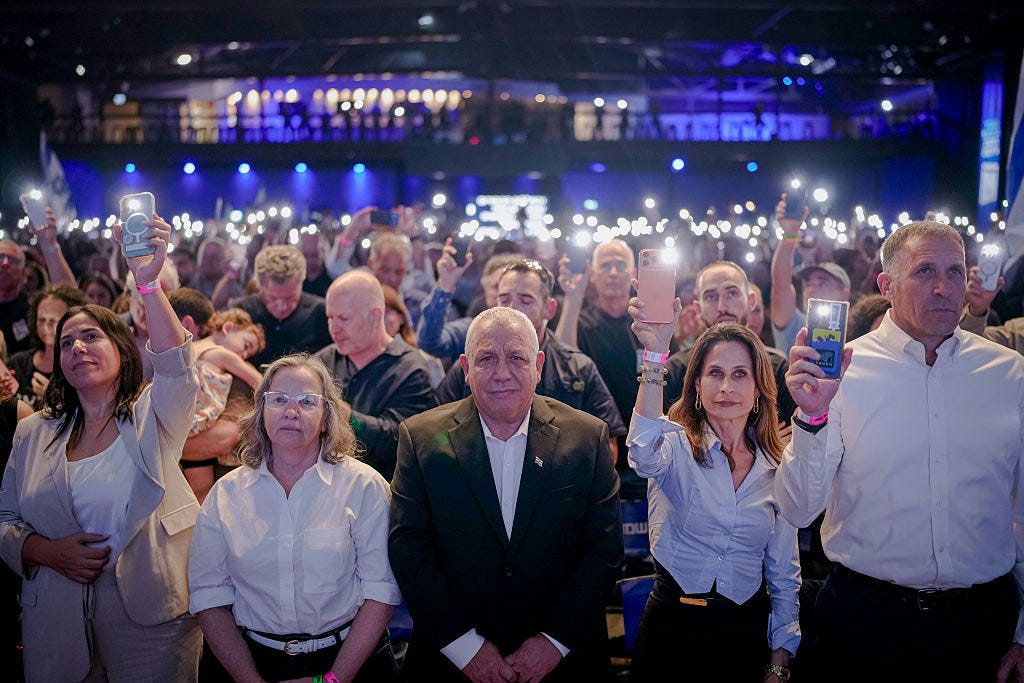
Gadi Eisenkot is a former IDF leader who rarely wears a suit, avoids political grandstanding, and says little about himself. And he’s leading in polls against Israel’s longest-serving prime minister, writes Neria Kraus. It was December 7, 2023, the first day of Hanukkah. Israel was in the midst of its war in Gaza, and Gadi Eisenkot, the former chief of staff of the Israel Defense Forces (IDF), and a minister in Benjamin Netanyahu’s government, was visiting a military base in southern Israel. When Eisenkot entered the command center, he noticed a screen displaying the locations of Israeli troops in Gaza, and recognized the position of the division in which his son, Gal, was serving. Just a few hours later, during that same visit, he would receive an update: A serious incident had occurred, and Israeli forces had suffered casualties. Less than an hour later, a senior commander entered the room and delivered the devastating news: Gal was among them. Gal, 25, was a soldier in Maglan, an elite Israeli commando unit. He had been gravely wounded by a Hamas explosive device near a tunnel in Jabalia, in northern Gaza. Hours later, he died in the hospital. For years, Eisenkot had been responsible for visiting the families of soldiers killed in battle. Now, he was on the other side of it. He called one of his other sons to break the news but told him not to share it with the rest of the family. He wanted to be the one to tell Hanna, his wife, what had happened to their fifth and youngest child. Later on in the war, two of his nephews, Yogev Pazy and Maor Cohen Eisenkot, would also be killed on the battlefield. Eisenkot, and those closest to him, point to his son’s death as the moment he decided to run for prime minister. Indeed, nearly three years after that day, Eisenkot is now the most formidable political rival of his former boss, Benjamin Netanyahu—and perhaps the only candidate capable of beating him when Israelis head to the ballot box on Tuesday.
Paid postNeria Kraus ·
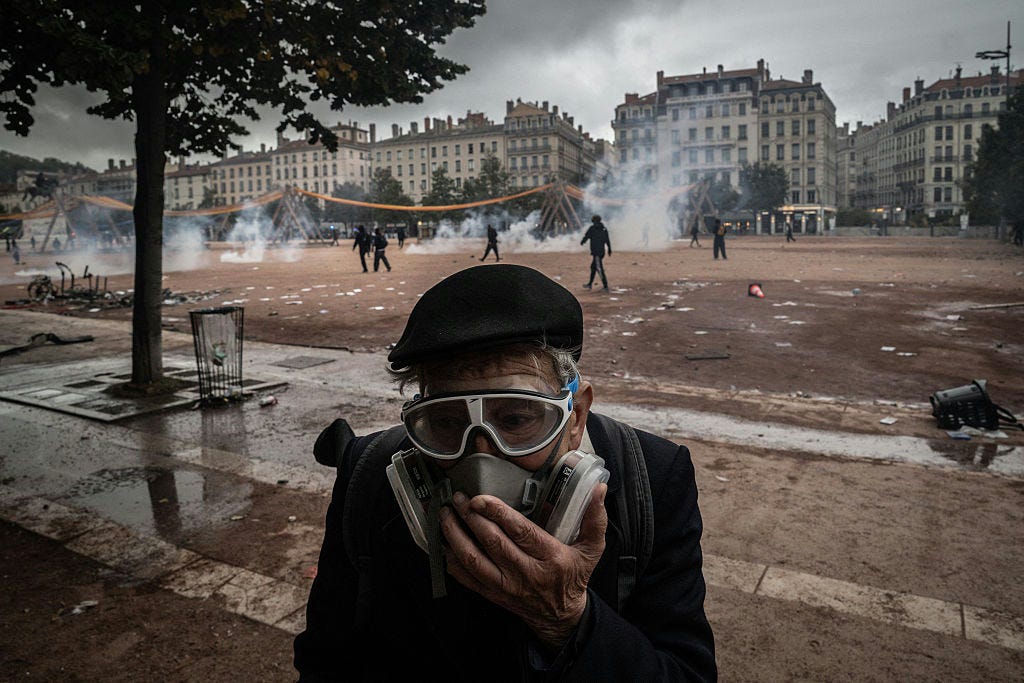
Chaos on the streets of French cities has brought back the seductive notion that violence can set you free. It is a myth—and a recipe for civil war, writes Bernard-Henri Lévy. Amid the uproar of the citizen demonstrations of recent weeks in France, and under the influence of leading figures in Jean-Luc Mélenchon’s extreme-left party, France Unbowed (La France Insoumise), one theme is making a powerful comeback: the idea of an invisible, insidious, systemic violence supposedly exercised in democratic societies, which it is legitimate to oppose with the visible, direct, frank violence of the riot. I know this idea well. It was Jean-Paul Sartre’s concept when, in his preface to The Wretched of the Earth by the anticolonialist ideologue Frantz Fanon, Sartre presented the murder of the colonizer as the response to the oppression of the colonial system. It was the idea of the writer Jean Genet in a famous article, “Violence and Brutality,” published in Le Monde in 1977, in which he presented the terrorism of the Baader-Meinhof gang in Germany as a necessity dictated by the anti-imperialist struggle. And it was already the idea of Georges Sorel who, at the very beginning of the 20th century in his Reflections on Violence, opposed the force of the “bourgeois state” with a “proletarian violence” endowed with supposedly regenerative virtues. I thought this idea had been discredited by the post-May 1968 intellectual movement, the critique of totalitarianism by the New Philosophers movement which I led, and the reckoning with the fascist, Nazi, and communist catastrophes. But apparently not. And so, we must start all over again. The first thing wrong with this notion of “counterviolence” is that it never strikes at the heart of the hated regime, but instead at the most exposed and most vulnerable people. The police officer who earns 2,000 euros a month, works night shifts, and protects, at the risk of his life, property, people, and the right to demonstrate. The shopkeeper who earns his gross profit on Saturdays and whose ransacked store was his only capital. The owner of the burned-out car who already struggled to afford a tank of gas and who must now find the money to replace the vehicle or face the obstacle course of dealing with insurance companies. The riot claims to strike at “the system,” but it falls upon women and men who are neither its masters nor its beneficiaries, but its humblest subjects. It claims to avenge the humiliated, but it adds to their humiliation fear, ruin, and the feeling of having been abandoned.
Paid postBernard-Henri Lévy ·
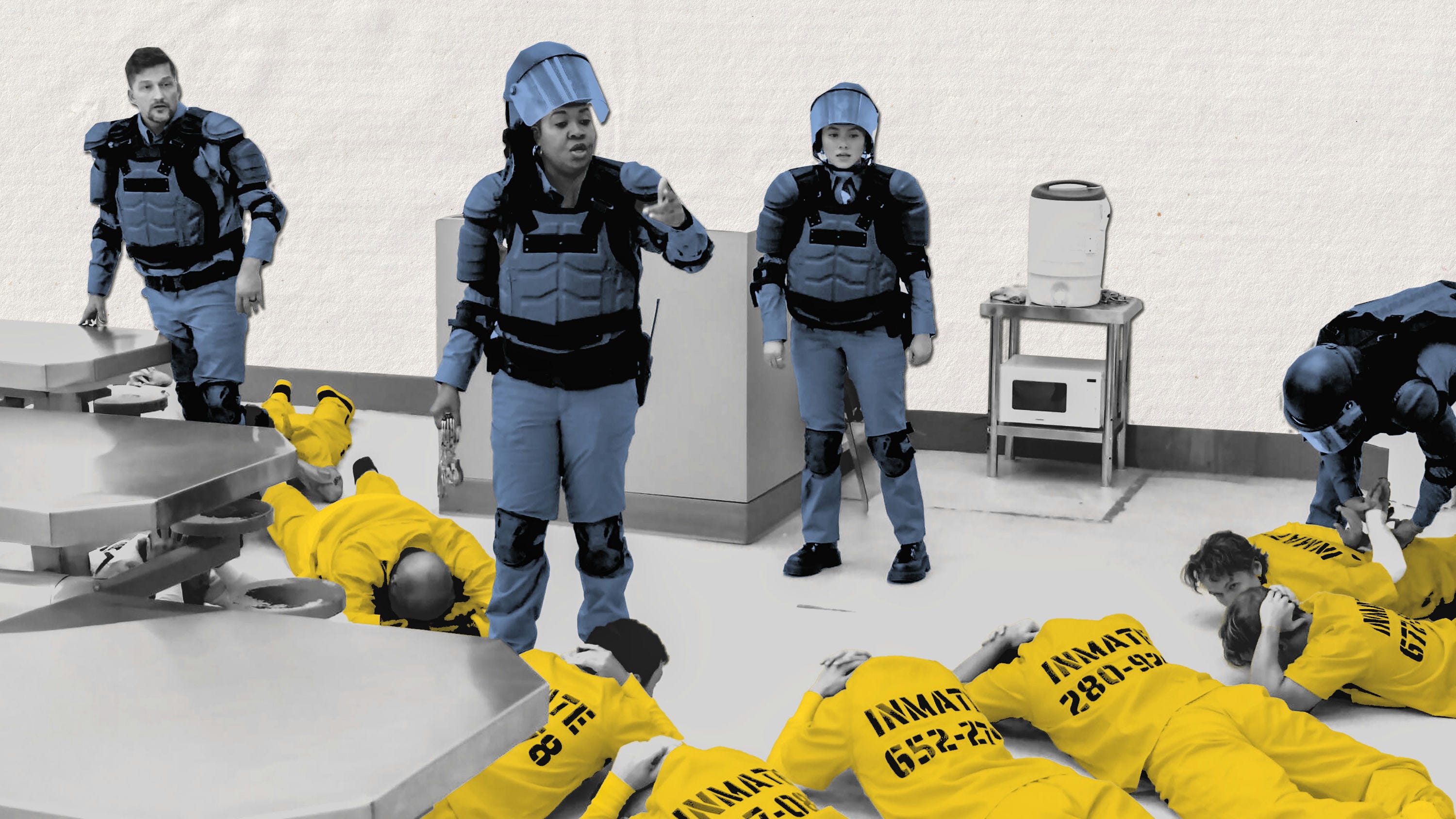
Netflix’s new Stanford Prison Experiment reality show reveals why Americans are so easily recruited into a culture war that makes everyone miserable, writes Arthur Brooks. Last Wednesday, I started watching Netflix’s new reality show, The New Stanford Prison Experiment. The six-episode series re-creates the central premise of Philip Zimbardo’s original 1971 Stanford Prison Experiment, one of the most famous social science investigations ever conducted, which randomly assigned 24 college-age participants to the roles of prisoners—confined in a simulated jail—and guards—who were given uniforms, authority, and the responsibility to maintain order. The researchers wanted to investigate the question of whether abusive behavior derives from an individual’s personality, or whether ordinary people become abusive simply because they are placed in positions of power. The Netflix series is entertaining. In total, 30 Americans are invited to a real-life prison in Georgia; eight members of the group are assigned to be guards, while 22 are prisoners. As a social scientist, I have quibbles about the experiment design: A proper study would compare different groups with varying degrees of power, in a treatment and control format. But, of course, this is a television show, meant to entertain—which it does, while also providing some fascinating insights into human behavior. (Some spoilers follow.) The New Stanford Prison Experiment corrects many of the flaws of the original experiment, which resulted in most of the guards becoming increasingly tyrannical and subjecting prisoners to humiliation and arbitrary punishment, while the prisoners became depressed and helpless. The original was terminated after just six days (of the intended 14) because of the escalating maltreatment and distress. The general conclusion was that ordinary, healthy people can become cruel, abusive, and authoritarian when placed in social situations that give them power over others.
Paid postArthur Brooks ·
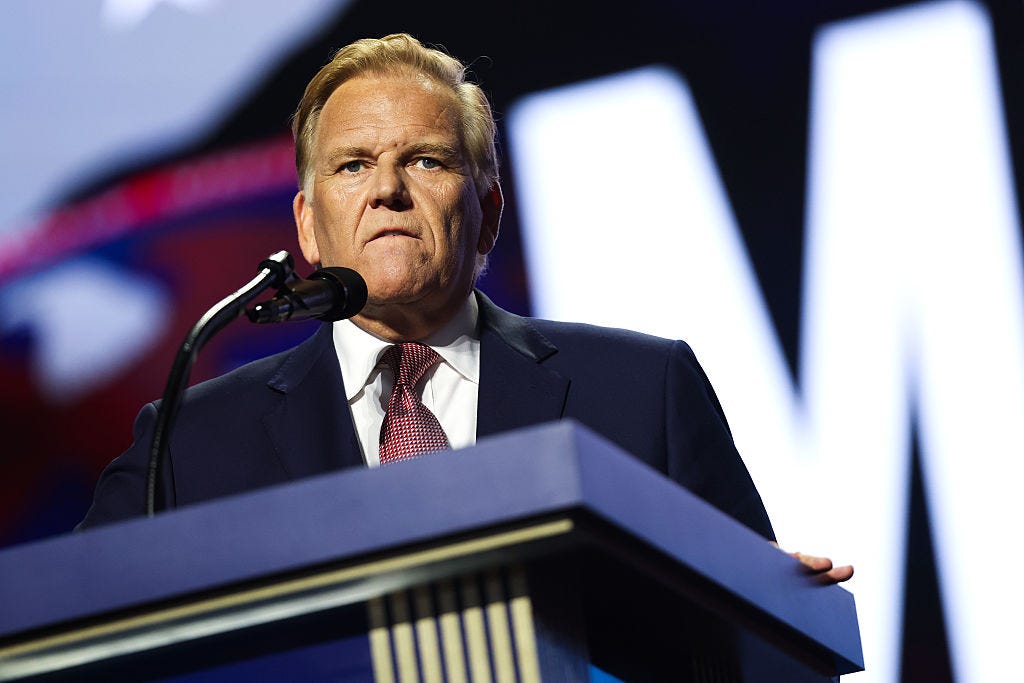
In today's Front Page: A freethinker's guide to the midterms. Can AI already hack your bank account? Jed Rubenfeld on Stop the Steal, Alaska edition. Is this disease too rare for American medicine to treat? And much more. Due to a technical glitch, The Front Page is arriving in your inbox a little later than usual this morning. We apologize for the delay! Now, on to the news. It’s Monday, October 26. This is The Front Page, your daily window into the world of The Free Press—and our take on the world at large. Today: Jed Rubenfeld on Trump’s legal foray into the Alaska Senate race. Tyler Cowen on the AI-enabled hacks that could spell financial disaster. A young woman’s maddening quest through the American healthcare system to find treatment for her mom’s rare disease. And much more. But first: Party loyalty, at what price? We’re eight days away from the midterms and American voters are, once again, being told that the stakes could not be higher. “This is the most important midterm in the history of our country,” President Donald Trump said at a rally in Kentucky earlier this month. Senator Bernie Sanders declared the vote “the most important midterms in modern history.” Every cycle, the rhetoric, it seems, gets more intense; the supposed stakes, more existential. On both sides of the aisle, politicians and their media allies present politics as a fight to the death between good and evil. And they argue that anything other than full-fledged support for your camp risks defeat. Given that The Free Press was founded to combat groupthink, it’s no surprise that we’re not exactly fans of this mindset—or the bad behavior, cowardice, and double standards it encourages. So today, we offer some counterprogramming to the team-sports hot takes that prevail elsewhere, with two columns making the case for refusing to comply with the instructions of the political elite. Up first, Erick Erickson, the conservative radio host and—usually—a reliably Republican voter. He explains why he will not be voting for Mike Collins, the GOP’s Senate candidate in his home state of Georgia. And—using some justifiably colorful language—he makes a broader point about partisanship, the rotten quality of candidates for office, and how to do something about both. Read Erick on why you should “refuse to eat the shit sandwich.” Next, Peter Savodnik tackles the Democrats who have fallen in line and endorsed Michigan Senate candidate Abdul El-Sayed—including Barack Obama, who rallied for El-Sayed in Michigan over the weekend. El-Sayed has a long track record of comments and views that once would have been viewed as disqualifying, but that hasn’t stopped his party from backing him. The Democratic establishment is putting party over country, Peter argues. Will the voters? —Oliver Wiseman Tune In for LIVE Midterms coverage with The Free Press and 2WAY! The Free Press and 2WAY are teaming up for a real-time interactive election night special. You can tune in right here. Will Rahn will co-host with Mark Halperin and the 2WAY team, joined throughout by Free Press writers, editors, and contributors, including Douglas Murray, Mene Ukueberuwa, Audrey Fahlberg, and Suzy Weiss. Watch the election night special live from 8 p.m. to midnight ET on Tuesday, November 3, right here. Viewers can also visit this page to join the conversation and participate through 2WAY’s interactive community. MORE FROM THE FREE PRESS THE NEWS Venezuelan opposition leader María Corina Machado has returned to Venezuela after nearly a year in exile, according to a spokesperson. Machado left her home country to receive the Nobel Peace Prize in 2025, and had been unable to return since the Trump administration backed Delcy Rodríguez, an ally of the country’s former dictatorial ruler Nicolás Maduro, as interim president. Elon Musk admitted on Saturday that SpaceX slowed down internet service for Ukraine via its satellite network Starlink, with Musk claiming he did so because the service was used to launch fa…
The Free Press ·
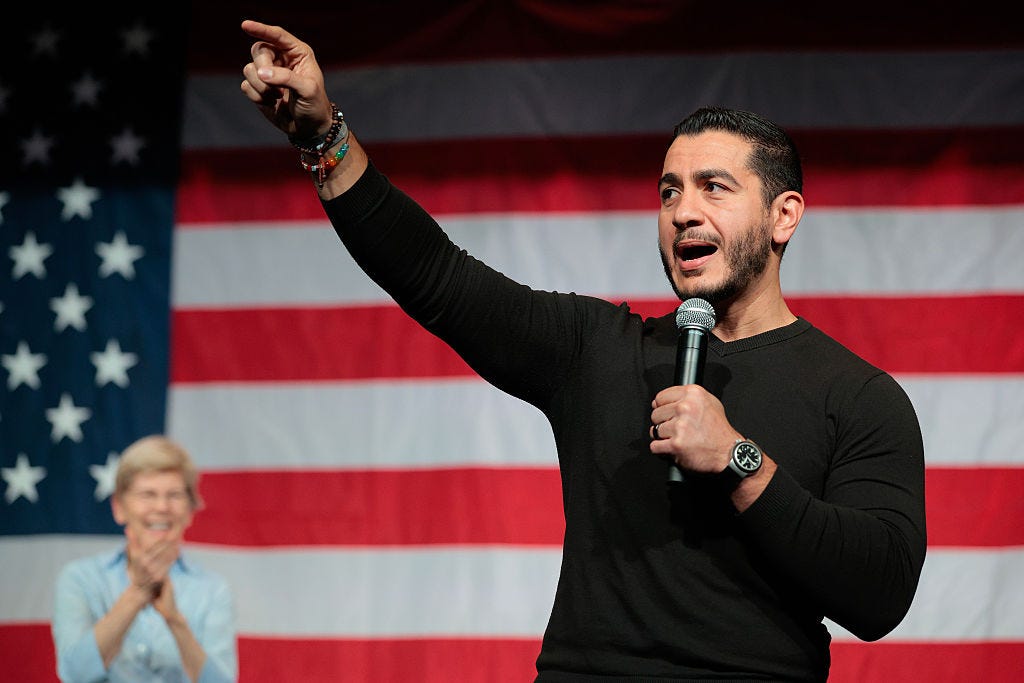
In the Michigan senate race, muddleheaded party leaders cannot see past the next election, writes Peter Savodnik. Will the voters? On Saturday, Barack Obama turned up at a high school gymnasium in Detroit to tell Michiganders to vote for Democratic Senate nominee Abdul El-Sayed. That was, as far as the nation’s 44th president could make out, common sense. If you believe in healthcare for all, good jobs, and hope and change—all the things Democrats supposedly believe in—well, El-Sayed was your only choice. Referring to “those at the top” opposing the would-be senator (a strange way of putting things for a former president with a 29-acre waterfront estate on Martha’s Vineyard), Obama said: “They will use division, and they may even use your name or your faith to somehow suggest that you are dangerous and less than trustworthy and less patriotic and less American than they are.”
Paid postPeter Savodnik ·

Both parties ask their supporters to accept vile candidates every two years. They say the stakes are too high to refuse, but nothing will improve unless more of us do, writes Erick Erickson. Radio host Erick Erickson is a rock-ribbed conservative. He’s also someone who has, of late, been sounding the alarm about what he sees as an emergent strain of illiberal and un-American politics in the Republican Party. In an age when tribalism reigns, calling out your own side is not an easy thing to do. That’s why Erick’s voice is an important one. Here, in an essay we’re reprinting from his Substack, he addresses his subscribers—most of whom are conservatives like him—about the choices on the ballot next week and why they should resist the pressure to vote Republican, whoever the candidate. He also explains why he expects he’ll be leaving the Senate line blank in Georgia, rather than voting for Mike Collins over Jon Ossoff. Wherever you’re casting your vote, and whichever party you’re inclined to support, Erick’s message—that you should fight the political class’s Manichaean logic that asks you to shut your eyes and pull the lever—is one worth listening to. —The Editors I’m about to use some bad words. Some of you will be offended by what I’m going to say. But in writing these emails now for the last number of years, I have rarely thought I should avoid saying what I really think, even at cost. Here I go again. So be prepared. I’ve had enough.
Paid postErick Erickson ·
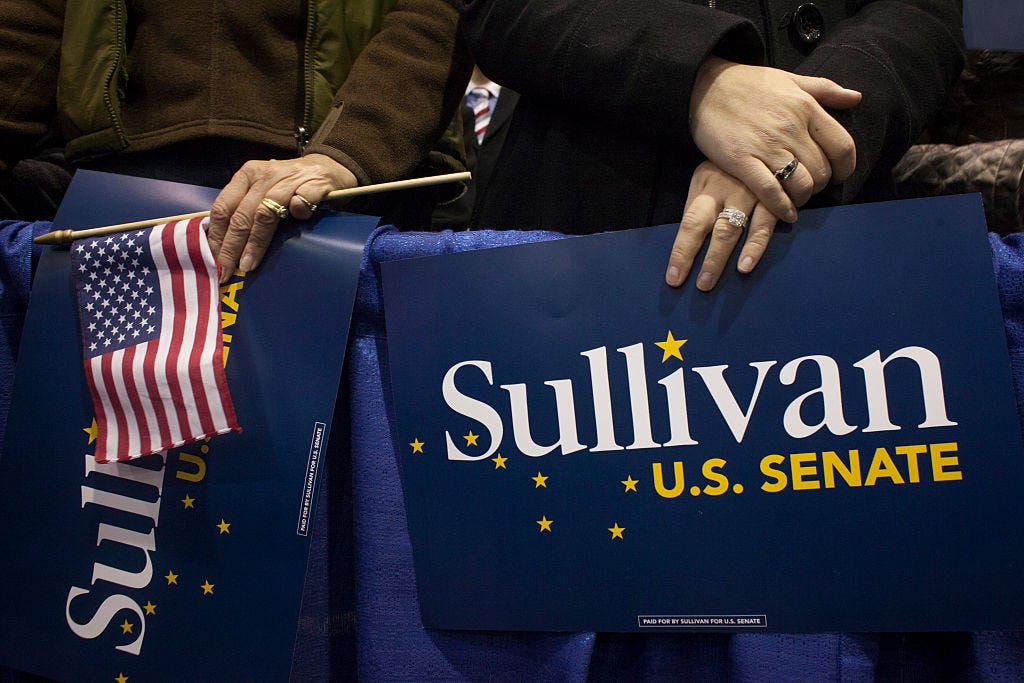
Democrats say a Trump lawsuit is meant to nullify the vote in Alaska. That suit won’t work—but a suspicious candidate may be the real spoiler, writes Jed Rubenfeld. “Justice Department Seeks to Block Alaska Vote if Republican Loses,” stated an alarming New York Times headline on Friday. That headline is not technically false, but it is so misleading it might as well be. And it’s especially unfortunate in an election cycle in which both parties are telling voters that their opponents are trying to rig the outcome. Here’s what’s happening. In the Alaska Senate race, incumbent Republican Dan Sullivan is running neck-and-neck against Democratic challenger Mary Peltola. As with every close Senate race this year, the stakes go far beyond a single seat. Republicans currently hold a three-seat majority, but Democrats are favored to gain, so the result in Alaska may well decide control of the Senate. But there’s another candidate on the ballot who could prove to be the spoiler, and his name just happens to be—Dan Sullivan. Yes, there are two Dan Sullivans on the ballot. The second one is a retired schoolteacher who allegedly has never run for office before, has donated to Peltola in the past, switched his party registration to Republican days before filing to run in the primary, and worked with a Democratic strategist on his campaign. In other words, while there is no proof, it is highly plausible that schoolteacher Dan Sullivan entered the race to steal votes from people mistakenly believing they’re voting for Senator Dan Sullivan.
Paid postJed Rubenfeld ·

Thirty million Americans live with rare diseases that fall through the cracks of U.S. medicine. My mother is one of them, writes Christina Sher. To stay alive, she goes to Europe. Last spring, my mom woke up at 3 a.m., convinced she was dying. She was only 45, but her body was shutting down. Her legs had become leaden, and she couldn’t stand up. She slid off the bed, woke my father, and told him they had to get to the hospital. He carried her to the car in his arms while she vomited the whole way. What my mom didn’t yet know was that she was having an adrenal crisis, a life-threatening medical episode marked by blood-pressure collapse, brain swelling, and circulatory shock. A doctor injected her with a large dose of the steroid hydrocortisone, saving her life. A few weeks later, she was diagnosed with Addison’s, a rare hormonal disease that develops when a person’s immune system attacks and destroys its own adrenal glands. For two years, my mom had been visiting doctors to ask about her strange symptoms. She’d been hospitalized three times and saw 12 specialists. They’d offered several misdiagnoses. But it took a brush with death that night in a Florida emergency room to finally get the name of the disease she was suffering with. If only that was all it took to get the treatment, too.
Paid postChristina Sher ·

Systems that guard our email and bank accounts are vulnerable to attacks, but building on the best defenses will buy time and prevent a crisis, writes Tyler Cowen. AI commentator Zvi Mowshowitz declared: “It was the probably worst day in cybersecurity history. So far.” The day in question was last Thursday, when news that AI had detected a critical flaw in PHP, a programming language used for building websites, leaked before the fix was available. That sent much of the internet running for patches and fixes, and the result probably will be that many older websites end up permanently dysfunctional. Many governments even took their websites offline for a while, to limit the risk of hacking. We are likely to survive this particular episode without the economy crashing down. But as Zvi’s comment indicated, other problems will arise in the future and they may be far more serious. One issue I have followed with special interest is cryptography. Throughout the tech industry, there is a slowly rising worry about AI breakthroughs in cryptography, which, in theory, could throw open the front door of every email, online transaction, and bank account. Recent headlines tell the story. “Vitalik Buterin Warns AI Could Break Lattice Cryptography Within Two Years,” reads one, announcing that the cryptocurrency creator has lost faith in systems recently thought to be invulnerable. Even more daunting: “Claude AI Solves 25-Year NSA Cryptography Mystery in Just 30 Minutes.” Now that an AI model from Anthropic (where I am an economic adviser) has cracked through a barrier no human has managed, whether any barrier is safe has become a live question.
Paid postTyler Cowen ·

In today's Weekend Press: The death of writing. Suzy Weiss on the $50 million bra. How to make the perfect martini. The optimism of Norm Macdonald. And more! Welcome back to The Weekend Press! Today, Suzy Weiss on the $50 million bra that broke the internet; Josh Kaplan on the Norm Macdonald tweet that changed his life; a longtime “New York Times” obituary writer on whether his job was depressing or life-affirming. And more! But first: Is this the death of the professional writer? This might be a strange thing to read in a magazine that employs some of the best columnists in the business, but, in our lead essay today, Max Raskin argues that it’s getting to the point where robots can write better than almost any human. Don’t believe him? Compare these two sentences: Mark how the landsman, pent up all the week in lath and plaster, will of a Sabbath steal down to the wharves, and there stand, hands in his pockets, gazing seaward as though the ocean owed him money. Let the most absent-minded of men be plunged in his deepest reveries—stand that man on his legs, set his feet a-going, and he will infallibly lead you to water, if water there be in all that region. One of these was written by Herman Melville. The other is Anthropic’s Claude imitating Moby-Dick. Can you tell which is which? A lot of people Max asked, including avid readers of 19th-century novels, couldn’t tell the difference; to find out if you can, take the quiz included in his essay today. Behind Max’s test is a serious claim: We don’t need humans to produce great writing anymore. And those who write for a living are quietly asking themselves “whether they’ve already written their last essay, the way you may have watched your last DVD or mailed your last letter without knowing it. Why would anyone pay to read them when a machine can mimic their voice, faster and cheaper?” For answers, read Max’s full piece here: You might not be able to tell the difference between the machine and the artist, but Pangram can—with over 99 percent accuracy. You can feed any text into this AI tool, and it’ll give you an estimate of how much of it was generated by a robot. So far, it has halted the U.S. release of a highly anticipated horror novel from Hachette, struck one novel from France’s prestigious Prix Goncourt long list, and launched countless accusations of literary fakery. Still, Pangram has been accused of being inaccurate, racist, defamatory, and “snake oil”—and the CEO, Max Spero, told Josh Code last week that he’s expecting a lawsuit any day now. Over two drinks in Brooklyn, Spero talked about his fears, his haters, his “desire to help save publishing,” and the mistakes his product has made. Read the full interview here: ‘Second Thought’ You know the body positivity movement is truly over when Kylie Jenner is getting fat-shamed. This week, the beauty entrepreneur—who is objectively gorgeous—appeared on the Victoria’s Secret runway wearing a $50 million diamond bra, only to be told she didn’t have the right figure, and was stealing spots from “real models.” But, in the latest episode of Second Thought, Suzy and Dan applaud the lingerie brand’s inclusivity. “It’s like having an amputee up there,” says Suzy. “It’s inspirational.” Click the link below to watch the episode, or listen wherever you get your podcasts: Sally Rooney’s novels will no longer be sold in the UK, because of her financial support for Palestine Action—and this week Sarah Ditum wrote that it’s just the latest example of how the author disdains her own work. Also, Suzy Weiss interviewed the man who recovers art that was taken from Jewish families during World War II, and Kara Kennedy reported on SlutCon . . . Knock Knock, It’s Cupid! A new batch of ads from single Free Pressers is live on our site. Click here to meet a young retiree in Williamsburg, Virginia; or an accountant-astrologer in Florida. Your special someone could be just one email away! If you’d like to take a chance at Free Press love, write a para…
The Free Press ·

Robots are really good writers now. Don’t believe me? You will by the end of this piece, writes Max Raskin. Earlier this year, billionaire investor Stanley Druckenmiller wrote an op-ed for The Wall Street Journal attacking Treasury Secretary Scott Bessent. Except he didn’t. Almost immediately after publishing, Druckenmiller admitted that he used AI to write the piece. For most readers, this was a forgettable story about either the power of AI or a newsworthy billionaire getting away with a shade of plagiarism. But for those who write for a living, this was one of those watershed moments.
Paid postMax Raskin ·
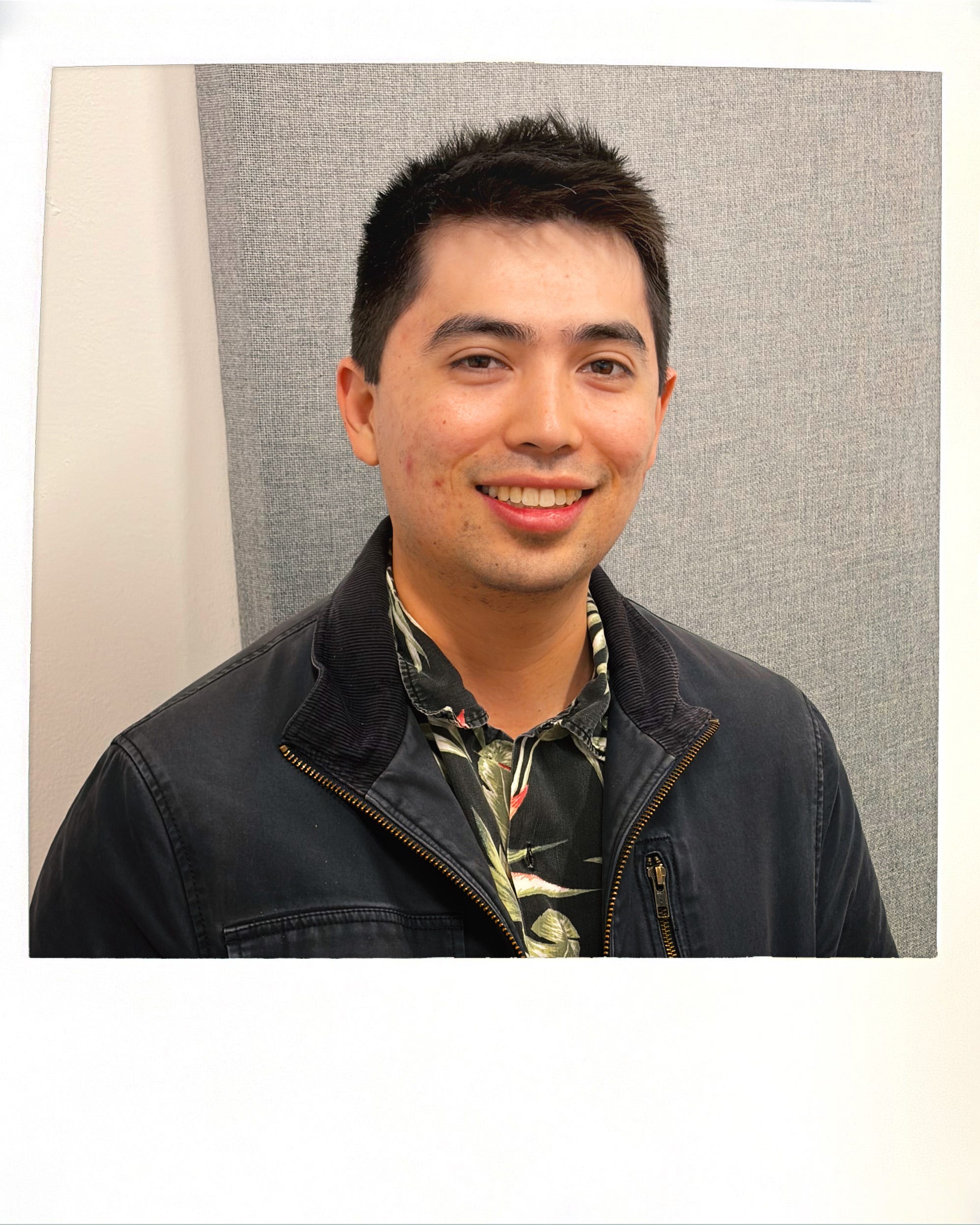
Max Spero’s AI-detection tool stalled a Hachette horror novel and axed another book from the running for France’s highest literary award. He says lawsuits are coming any day—and that he can’t wait, writes Josh Code. For someone who’s expecting a defamation lawsuit any day now, Max Spero is remarkably calm. “I’m sure it’ll be incredibly well-covered when it does happen,” he told me last week over nonalcoholic beers (his idea; he doesn’t drink) at a Brooklyn brewery called Farm.One. “And I do say ‘when.’ ” Spero, 30, is the co-founder and CEO of Pangram Labs, an AI-powered tool that can detect if text has been written by AI with over 99 percent accuracy. So far this year, it’s halted the U.S. release of a highly anticipated horror novel from Hachette, struck one novel from France’s prestigious Prix Goncourt long list, and spawned countless accusations of literary fakery. While some of the accused writers issued mea culpas, most of them doubled down. Meanwhile, critics dismissed Pangram as “snake oil” and “prejudiced” against black writers and non-native English speakers. The Wall Street Journal criticized Pangram in April as a “defamation machine” while The Atlantic later proclaimed in a headline “America Has a Pangram Problem,” arguing that “AI accusations could very quickly spiral into a witch hunt.” At the center of it all is Spero, who has received “many” threats of lawsuits—none of which have materialized, and all of which, he says, were written by AI.
Paid postJosh Code ·