Source
The Free Press

The Free Press (CBS News)
The Free Press, formerly Common Sense, is an American media company based in New York City. Founded by opinion writer Bari Weiss and her spouse Nellie Bowles, the company started as a newsletter in 2021, and grew into an associated media company in 2022. Since October 2025, it is an independent entity within CBS News, whose parent company Skydance Corporation acquired it in 2025 for $150 million.
From Wikipedia ↗, text under CC BY-SA 4.0; logo from Wikimedia Commons
- Type
- News outlet on Substack
- Lean
- Right-leaning
- Right-Center+4.1 of ±10
- Mixed4.8 of 10 (lower is better)
- Medium
- Website
- thefp.com ↗
- Feed
- RSS ↗
- Articles stored
- 103
- Tracked since
- Sep 10, 2026
Down: MBFC factual reporting score, 0 most factual to 10 least.
Bias and credibility ratings by Media Bias/Fact Check.
The Free Press on MBFC ↗Publishing rhythm
How many articles The Free Press published over the last 14 days, by publication time, and at which hours of the day.
Top keywords
All keyword charts for The Free Press →The people, places, organizations and topics The Free Press covered most that day, by the share of its stories that mention them. Article counts are shown for context.
| 1 | 100.0% | 1 |
Latest articles

Thirty million Americans live with rare diseases that fall through the cracks of U.S. medicine. My mother is one of them, writes Christina Sher. To stay alive, she goes to Europe. Last spring, my mom woke up at 3 a.m., convinced she was dying. She was only 45, but her body was shutting down. Her legs had become leaden, and she couldn’t stand up. She slid off the bed, woke my father, and told him they had to get to the hospital. He carried her to the car in his arms while she vomited the whole way. What my mom didn’t yet know was that she was having an adrenal crisis, a life-threatening medical episode marked by blood-pressure collapse, brain swelling, and circulatory shock. A doctor injected her with a large dose of the steroid hydrocortisone, saving her life. A few weeks later, she was diagnosed with Addison’s, a rare hormonal disease that develops when a person’s immune system attacks and destroys its own adrenal glands. For two years, my mom had been visiting doctors to ask about her strange symptoms. She’d been hospitalized three times and saw 12 specialists. They’d offered several misdiagnoses. But it took a brush with death that night in a Florida emergency room to finally get the name of the disease she was suffering with. If only that was all it took to get the treatment, too.
Paid postChristina Sher ·

Systems that guard our email and bank accounts are vulnerable to attacks, but building on the best defenses will buy time and prevent a crisis, writes Tyler Cowen. AI commentator Zvi Mowshowitz declared: “It was the probably worst day in cybersecurity history. So far.” The day in question was last Thursday, when news that AI had detected a critical flaw in PHP, a programming language used for building websites, leaked before the fix was available. That sent much of the internet running for patches and fixes, and the result probably will be that many older websites end up permanently dysfunctional. Many governments even took their websites offline for a while, to limit the risk of hacking. We are likely to survive this particular episode without the economy crashing down. But as Zvi’s comment indicated, other problems will arise in the future and they may be far more serious. One issue I have followed with special interest is cryptography. Throughout the tech industry, there is a slowly rising worry about AI breakthroughs in cryptography, which, in theory, could throw open the front door of every email, online transaction, and bank account. Recent headlines tell the story. “Vitalik Buterin Warns AI Could Break Lattice Cryptography Within Two Years,” reads one, announcing that the cryptocurrency creator has lost faith in systems recently thought to be invulnerable. Even more daunting: “Claude AI Solves 25-Year NSA Cryptography Mystery in Just 30 Minutes.” Now that an AI model from Anthropic (where I am an economic adviser) has cracked through a barrier no human has managed, whether any barrier is safe has become a live question.
Paid postTyler Cowen ·
In today's Weekend Press: The death of writing. Suzy Weiss on the $50 million bra. How to make the perfect martini. The optimism of Norm Macdonald. And more! Welcome back to The Weekend Press! Today, Suzy Weiss on the $50 million bra that broke the internet; Josh Kaplan on the Norm Macdonald tweet that changed his life; a longtime “New York Times” obituary writer on whether his job was depressing or life-affirming. And more! But first: Is this the death of the professional writer? This might be a strange thing to read in a magazine that employs some of the best columnists in the business, but, in our lead essay today, Max Raskin argues that it’s getting to the point where robots can write better than almost any human. Don’t believe him? Compare these two sentences: Mark how the landsman, pent up all the week in lath and plaster, will of a Sabbath steal down to the wharves, and there stand, hands in his pockets, gazing seaward as though the ocean owed him money. Let the most absent-minded of men be plunged in his deepest reveries—stand that man on his legs, set his feet a-going, and he will infallibly lead you to water, if water there be in all that region. One of these was written by Herman Melville. The other is Anthropic’s Claude imitating Moby-Dick. Can you tell which is which? A lot of people Max asked, including avid readers of 19th-century novels, couldn’t tell the difference; to find out if you can, take the quiz included in his essay today. Behind Max’s test is a serious claim: We don’t need humans to produce great writing anymore. And those who write for a living are quietly asking themselves “whether they’ve already written their last essay, the way you may have watched your last DVD or mailed your last letter without knowing it. Why would anyone pay to read them when a machine can mimic their voice, faster and cheaper?” For answers, read Max’s full piece here: You might not be able to tell the difference between the machine and the artist, but Pangram can—with over 99 percent accuracy. You can feed any text into this AI tool, and it’ll give you an estimate of how much of it was generated by a robot. So far, it has halted the U.S. release of a highly anticipated horror novel from Hachette, struck one novel from France’s prestigious Prix Goncourt long list, and launched countless accusations of literary fakery. Still, Pangram has been accused of being inaccurate, racist, defamatory, and “snake oil”—and the CEO, Max Spero, told Josh Code last week that he’s expecting a lawsuit any day now. Over two drinks in Brooklyn, Spero talked about his fears, his haters, his “desire to help save publishing,” and the mistakes his product has made. Read the full interview here: ‘Second Thought’ You know the body positivity movement is truly over when Kylie Jenner is getting fat-shamed. This week, the beauty entrepreneur—who is objectively gorgeous—appeared on the Victoria’s Secret runway wearing a $50 million diamond bra, only to be told she didn’t have the right figure, and was stealing spots from “real models.” But, in the latest episode of Second Thought, Suzy and Dan applaud the lingerie brand’s inclusivity. “It’s like having an amputee up there,” says Suzy. “It’s inspirational.” Click the link below to watch the episode, or listen wherever you get your podcasts: Sally Rooney’s novels will no longer be sold in the UK, because of her financial support for Palestine Action—and this week Sarah Ditum wrote that it’s just the latest example of how the author disdains her own work. Also, Suzy Weiss interviewed the man who recovers art that was taken from Jewish families during World War II, and Kara Kennedy reported on SlutCon . . . Knock Knock, It’s Cupid! A new batch of ads from single Free Pressers is live on our site. Click here to meet a young retiree in Williamsburg, Virginia; or an accountant-astrologer in Florida. Your special someone could be just one email away! If you’d like to take a chance at Free Press love, write a para…
The Free Press ·
Robots are really good writers now. Don’t believe me? You will by the end of this piece, writes Max Raskin. Earlier this year, billionaire investor Stanley Druckenmiller wrote an op-ed for The Wall Street Journal attacking Treasury Secretary Scott Bessent. Except he didn’t. Almost immediately after publishing, Druckenmiller admitted that he used AI to write the piece. For most readers, this was a forgettable story about either the power of AI or a newsworthy billionaire getting away with a shade of plagiarism. But for those who write for a living, this was one of those watershed moments.
Paid postMax Raskin ·
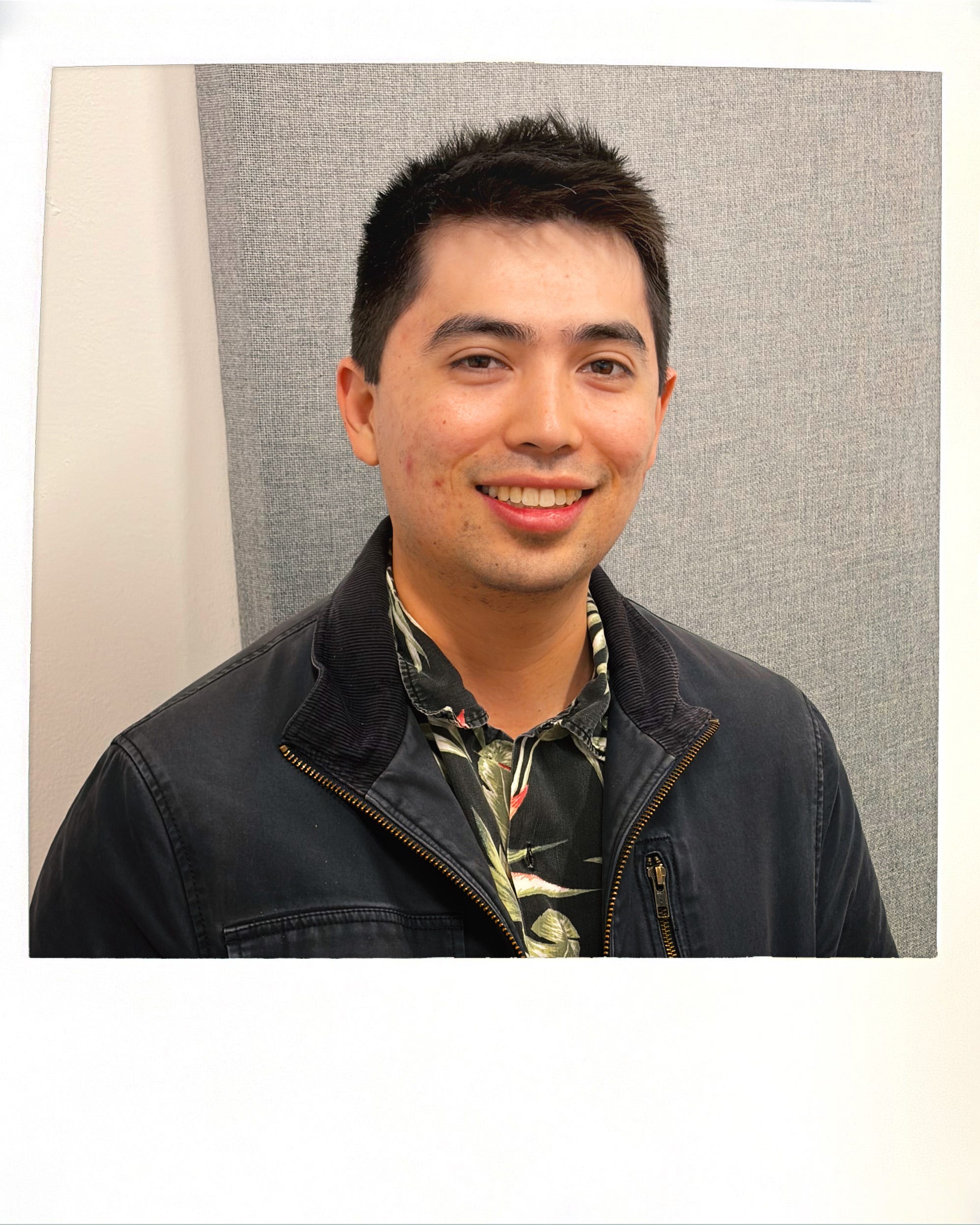
Max Spero’s AI-detection tool stalled a Hachette horror novel and axed another book from the running for France’s highest literary award. He says lawsuits are coming any day—and that he can’t wait, writes Josh Code. For someone who’s expecting a defamation lawsuit any day now, Max Spero is remarkably calm. “I’m sure it’ll be incredibly well-covered when it does happen,” he told me last week over nonalcoholic beers (his idea; he doesn’t drink) at a Brooklyn brewery called Farm.One. “And I do say ‘when.’ ” Spero, 30, is the co-founder and CEO of Pangram Labs, an AI-powered tool that can detect if text has been written by AI with over 99 percent accuracy. So far this year, it’s halted the U.S. release of a highly anticipated horror novel from Hachette, struck one novel from France’s prestigious Prix Goncourt long list, and spawned countless accusations of literary fakery. While some of the accused writers issued mea culpas, most of them doubled down. Meanwhile, critics dismissed Pangram as “snake oil” and “prejudiced” against black writers and non-native English speakers. The Wall Street Journal criticized Pangram in April as a “defamation machine” while The Atlantic later proclaimed in a headline “America Has a Pangram Problem,” arguing that “AI accusations could very quickly spiral into a witch hunt.” At the center of it all is Spero, who has received “many” threats of lawsuits—none of which have materialized, and all of which, he says, were written by AI.
Paid postJosh Code ·
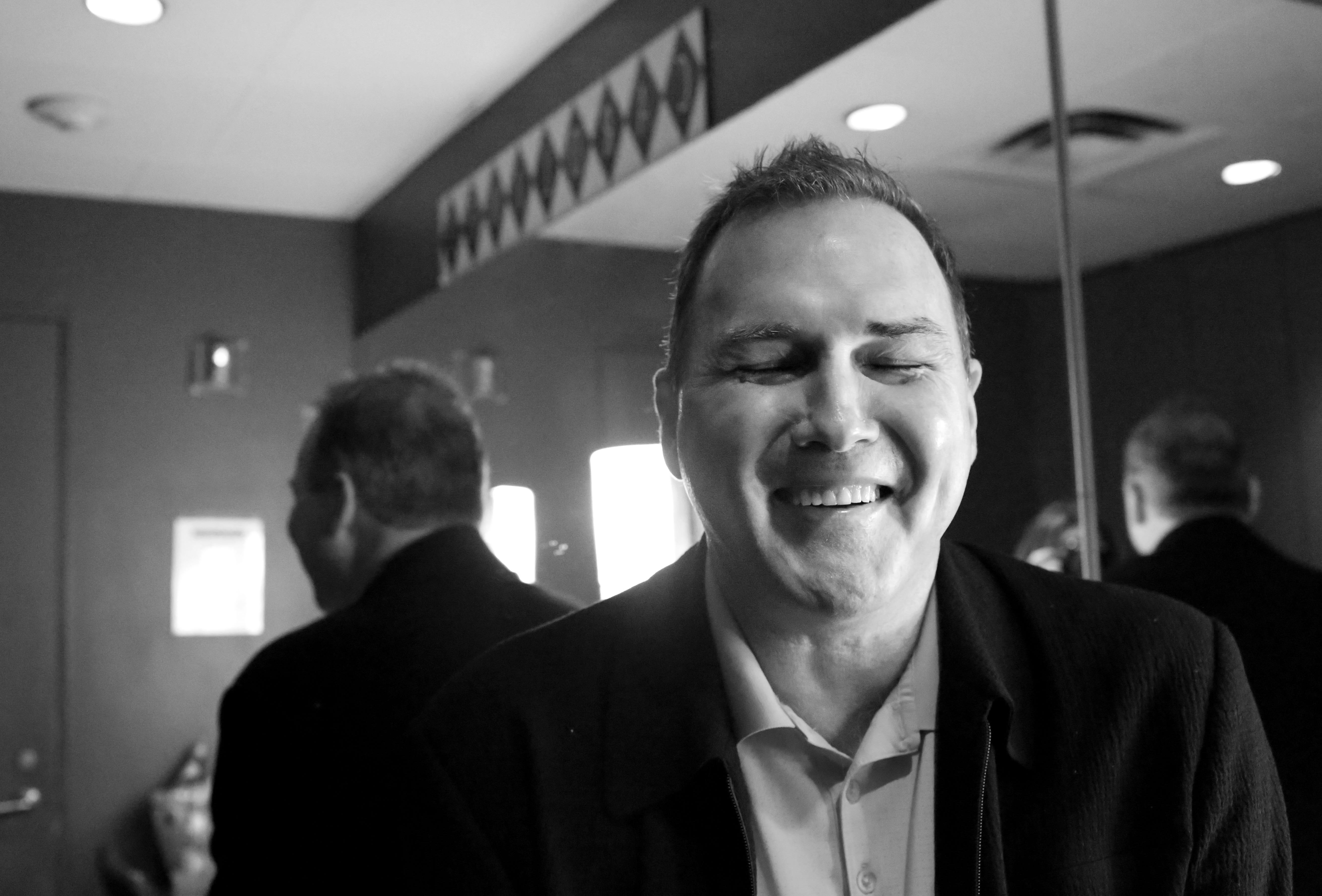
Netflix released a documentary about the legendary late comedian last week. But what I remember most about him is something he said in a 2018 tweet: ‘How could a man be a cynic? It is a sin,' writes Josh Kaplan. I’ve long believed that to understand a society, a culture, its people, there’s no better place to look than comedians. Comedy is a medium that does its best to defy performative opinions. It lives and dies on the instant feedback of a raucous chorus of laughter, the desperate silence of a failed punch line. There’s no room for ambiguity. Something is funny or it is not; you cannot fake a laugh. It follows, then, that comedians are some of the most honest brokers in cultural life. They have to see the world and describe it how it is—otherwise they will fail. The late great Norm Macdonald was not only an incredible comedian; he was also someone relentlessly clear-eyed in how he saw the world. Saturday Night Live’s most famous Canadian son—and the subject of Norm: The Tale of Norm Macdonald, a new Judd Apatow documentary released on Netflix last week—was as much a great thinker as he was a great joke teller. He developed many distinct followings over his career, launching a cult classic YouTube podcast that inspired a generation of comedians with absurd jokes that would never have aired outside of his own channel. I discovered Norm late, only a few years before his death in 2021, but I was transfixed. His deadpan delivery, his commitment to the bit above all else, the fact that he could bring actual humor to an awards show red carpet, made me fall in love with his jokes in a million different ways. And now, nearly a decade later, his witticisms have crept into my speech and I find myself frequently looping back to jokes he made—including his final perfect punch line, when he reacted to hearing that Adolf Hitler had died decades ago with the deadpan, “Did he? I didn’t even know he was sick.” Millions repeated that joke after he passed away from cancer—a disease he’d kept secret for 10 years.
Paid postJosh Kaplan ·
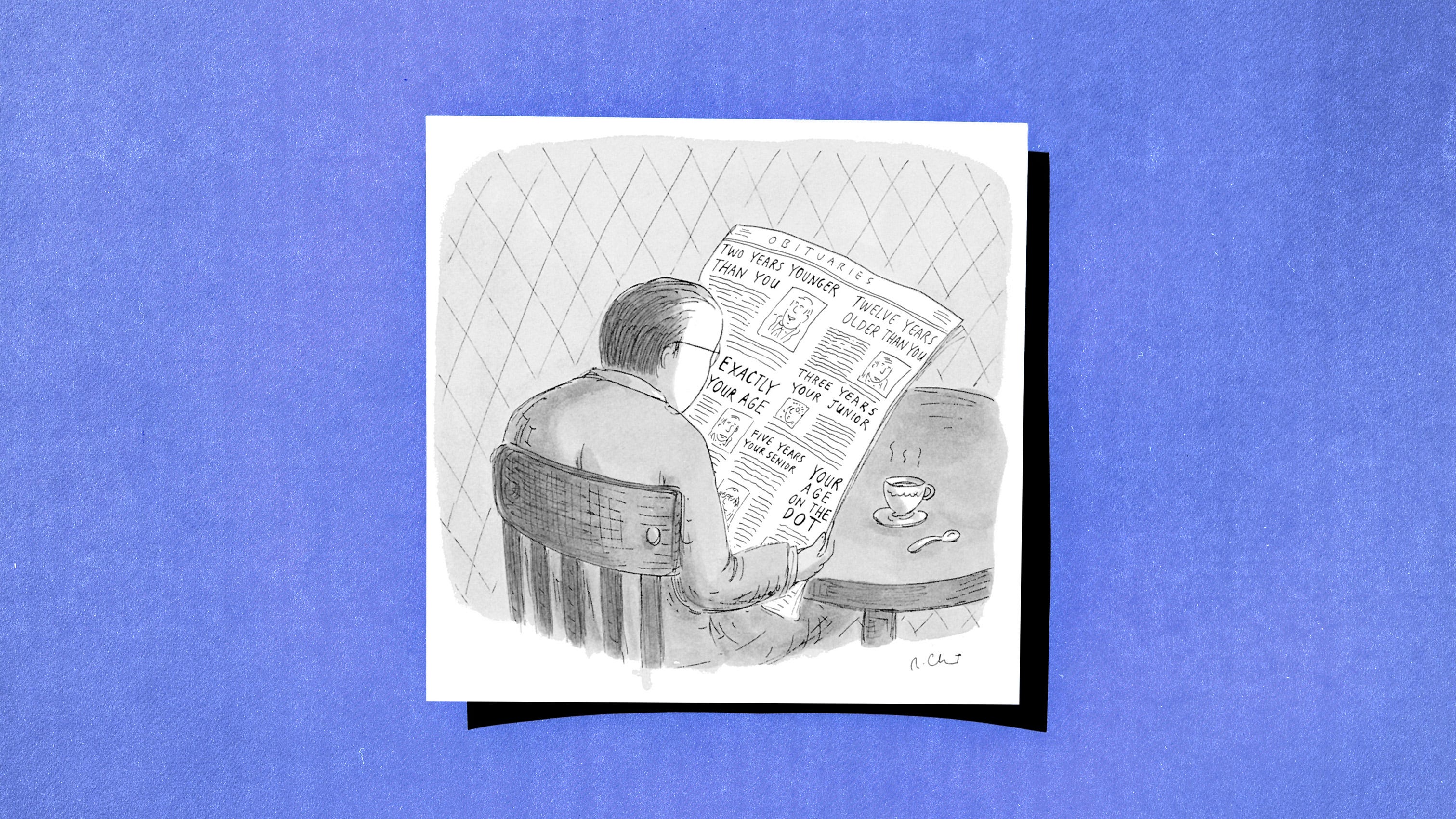
As I’ve grown older, I’ve learned that we are all preoccupied with posterity: with what we are leaving behind for future generations as well as reflecting on what we might have done differently, writes Sam Roberts. “Do we mock the dead by staying alive, by reading their names in lists, by remembering them in the world, by speculating about those we never knew?” the novelist William Saroyan once asked. “Do we perhaps take pleasure from our own survival and even from their sad or joyous failure to do so? Bet your life we do.” Roz Chast’s classic New Yorker caricature satirizes an obituary page whose headlines identify the deceased not by name, but by their age compared to the reader: “Twelve Years Older Than You,” “Three Years Your Junior,” “Your Age on the DOT.” I’ve been an obituary writer for The New York Times for the past 10 years. I’ve buried—if that’s the right word—some 1,500 individuals during that time. And I’ve just written a book titled Are They Dead Yet? The Art of the Obit. The book opens with Saroyan’s quote and with Chast’s perspicacious cartoon. But it wasn’t until this year, when I turned 79, that I seriously began to contemplate my own mortality. Mourning didn’t become me as a child; I was raised in a family where the reflexive response to death was denial. So I wasn’t pleased when, as I entered my eighth decade of life, I was asked to veer professionally from an urban affairs correspondent to an obituary writer. The Times writes advance obituaries for well-known people of advanced age, and the backlog of unwritten obits of the not-yet-departed had gotten quite long. I was drafted to help close the gap.
Paid postSam Roberts ·
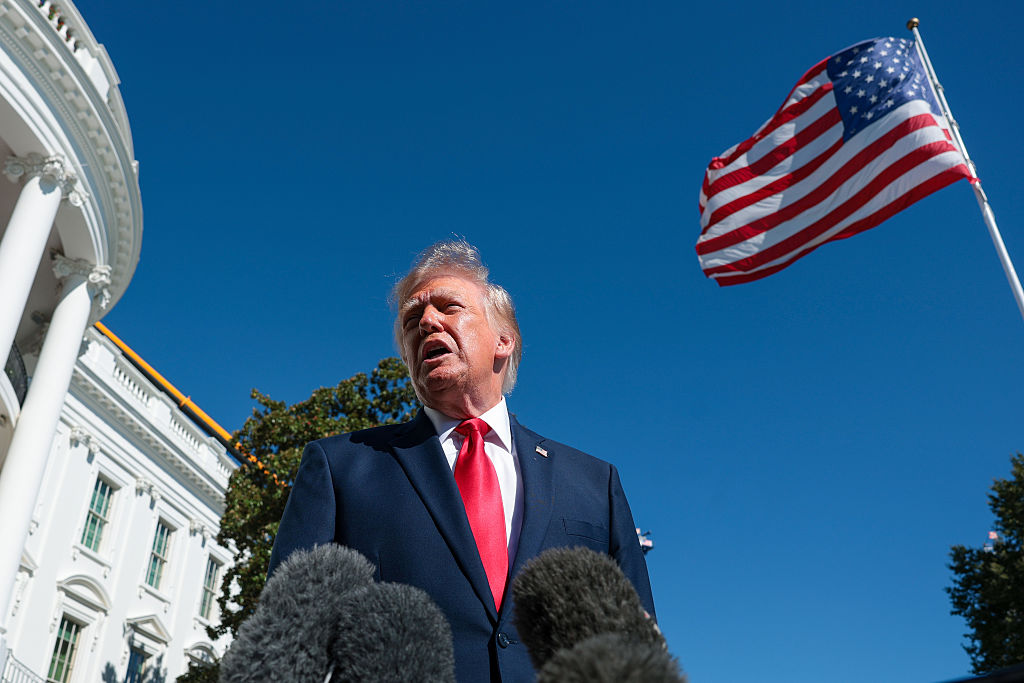
The woman who watched French rioters destroy her livelihood. Inside the annual conference where men learn how to get laid. And more. It’s Friday, October 23. This is The Front Page, your daily window into the world of The Free Press—and our take on the world at large. Today: Kara Kennedy attends SlutCon, where “flirt girls” teach awkward men how to get laid. A Parisian bakery owner shares a harrowing first-person account of watching rioters loot her store. And much more. But first: the method to Trump’s foreign policy madness. Anyone hoping to keep up with U.S. foreign policy this week had their work cut out for them. The week began with news that Russian president Vladimir Putin had proposed a summit to discuss Ukraine. The participants? Donald Trump and Chinese leader Xi Jinping—but not Ukrainian president Volodymyr Zelensky. Trump reportedly did not reject the proposal. Then we learned that Elon Musk had green-lit a slowdown of a military-grade Starlink that Ukraine uses for many of its drones. If this all sounds backward to you, you’re not alone. “Confused is how many people today feel about U.S. foreign policy,” Niall Ferguson writes in our lead story today. “For some people,” he continues, “the only possible explanation for all of this is that President Donald Trump is simply a crazed man-child emperor.” Those people would be wrong, he says. “To understand Trump’s approach to foreign policy, and particularly his counterintuitive approach to the war in Ukraine, you have to understand the debt he . . . owes to a 20th-century president: Richard Nixon.” Read Niall’s column to understand how the 47th president’s strategy borrows a page from the 37th’s—and the one key difference that may determine whether Trump ultimately succeeds. Still, Trump’s apparent courting of Putin is hard for many to stomach. That’s especially true when you consider the case of Evan Gershkovich, a Wall Street Journal reporter who was imprisoned by Russia for 491 days on trumped-up espionage charges. Evan has written a new book about his time in prison, and today he talks to Tanya Lukyanova about his experience, his thoughts on ongoing hostage diplomacy, and what Putin still gets wrong about him. Click below to watch the interview. —The Editors EDITORS’ PICKS The biggest story this week was the rioting in France, and for the past five days, we’ve brought you a series of stories to help make sense of the violence. With unrest threatening to resume this weekend, don’t miss Douglas Murray, Simone Rodan-Benzaquen, and Nora Bussigny on the essential questions raised by the riots: Who is behind them, what is at stake, and can French culture and the Republic endure their aftermath? In case you missed it, we recently brought a new columnist aboard. Ross Douthat is writing for The Free Press every Thursday, and this week, he took on a topic he knows better than almost anyone: the so-called religious revival in the West. Despite the cultural cachet enjoyed by today’s Catholics, he wrote, “the form of Christianity that’s most adapted to late-modern America” isn’t Catholicism—“it’s evangelical Protestantism.” In his latest column, he revealed why the sect of Christianity most often criticized by the left has more to teach us about ourselves than we might think. In the early 20th century, Portsmouth, Ohio, was a bustling metropolis, home to an NFL team and booming manufacturing plants. Then, in the 1990s, the town was hollowed out by deindustrialization and devastated by the opioid crisis, swiftly becoming the “pill mill” capital of America. Today, it’s been overrun by addicts seeking treatment, leading to the emergence of a new cottage industry: substance abuse recovery. But when Frannie Block went to Portsmouth, she found something troubling: an industry that locals say is rife with exploitation, abuse, and fraud. Her latest investigation takes us to a forgotten corner of America, where the cure to the opioid crisis may have become worse than the disease. It’s a…
The Free Press ·
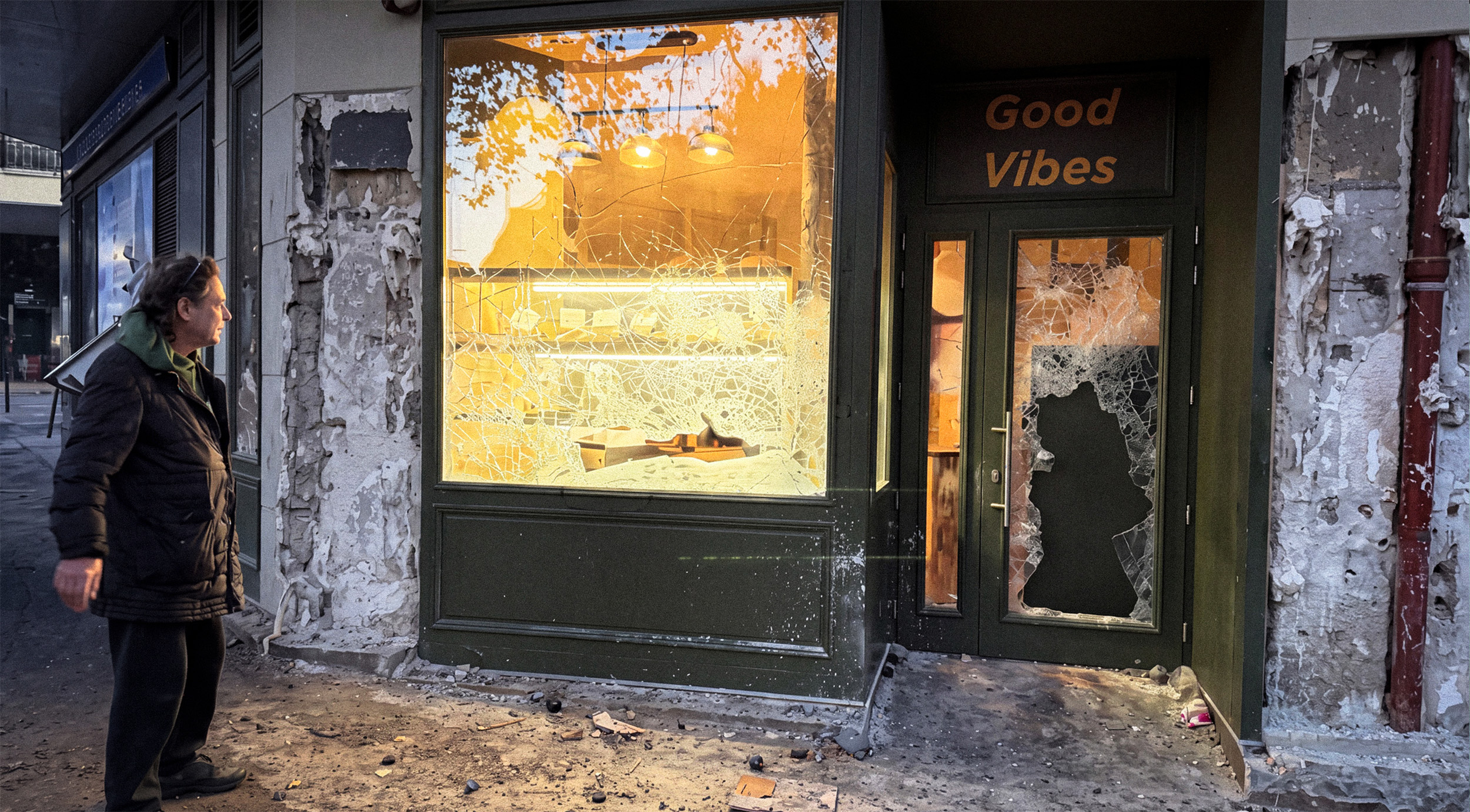
After arriving as an emigrant from Africa, I worked so hard to build a business. After it was attacked last weekend, a revolutionary young woman told me on live television that it didn’t matter, writes Jhemima Sheilha. How could anyone defend last weekend’s violent protests in France? In Paris alone, about 450 businesses were damaged, and about half of those were looted, according to authorities. Shopkeepers saw their livelihoods destroyed, their employees attacked, and their faith in the French Republic deeply shaken. But defending the rioters was exactly what influencer and college student Lola-Fleur Whittaker did on Monday night during a French television program called “La Grande Confrontation.” “Vos boutiques, c’est bien mignon,” she said mockingly, which translates to “Your shops, so sweet.” That was too much for Jhemima Sheilha, who was also on the program, to bear in silence. “It’s my life, Lola,” said Sheilha, whose new shop near Place de la République, Caffé Urban Bakery, was smashed with sledgehammers and ransacked. “What justifies terrorizing people’s lives?” Whittaker rolled her eyes. We asked Sheilha, 36, to describe what happened at the bakery she and her husband spent five years toiling to open, how she confronted the looters who took everything, and why she believes her business is now at risk of crumbling, along with France itself. —The Editors When I arrived in France in August 1999, I did not know my father. I had been raised by my uncle and my aunt after the death of my mother, Henriette, an activist in the Democratic Republic of the Congo who campaigned against the country’s former president, Mobutu Sese Seko. In 1994 she was poisoned by a member of her own family who supported the president. She was 36. On the day I was born, one of my older sisters, who was only 3, died of sickle cell disease. My mother learned of her death as she was leaving the maternity ward. She left the hospital with a new child and a new grief to carry. My mother did not have much money. She sold water in plastic bags at the markets, and sometimes, when she had no choice, she left my other sister and me alone. On the day my mother died, I was 4. She had gone to a political meeting, after which she was supposed to pick us up. She never came home. After my mother’s death, I stayed with my aunt until I arrived in France to live with my father. I had never met him before. For the first few years, we lived in a 1,000-square-foot room in the Paris suburbs. It was very hard. I had been a good student, but now I was failing, and even though I was seeing a speech therapist, progress was slow.
Paid postJhemima Sheilha ·

To understand Trump’s approach to Ukraine, Iran, and China, look to Richard Nixon. The president’s instinct for superpower dealmaking reflects a hard-nosed realism, backed by the American economy. Each episode of the satirical 1970s show Soap always began with a convoluted plot summary. The catchphrase in the intro was: “Confused? You won’t be.” Confused is how many people today feel about U.S. foreign policy. A Free Press editor recently put it this way: If China, Russia, North Korea, and Iran are an Axis of Aggressors and we’re at war with them, why is it so hard to identify enemies and allies? Democrats who just voted to pass almost $2 billion in aid to Ukraine (with an assist from a small group of Republicans) are simultaneously promoting candidates who want to end support for the Iron Dome for Israel, which is at war with Iran and its satellites, who are attacking an assortment of our partial allies and getting help from Russia and China. [Vice President] J.D. Vance talked about the moderates in Iran who want peace during his ill-fated ceasefire; Turkey works with the Axis but is part of NATO; France, Belgium, Spain, and the Netherlands import Russian gas; Hungary uses a Russian pipeline, etc. How can we be in “Cold War II” if those are our allies? Whose false narrative are we living in? Having coined the phrase Cold War II and encouraged the use of the term Axis, I get so much of this kind of thing these days that I feel like a geopolitical agony aunt. “Why is Musk fucking with Ukraine?” a friend messaged me on Wednesday, referring to reports that Elon Musk green-lit a slowdown in the military-grade Starlink coverage that Ukraine relies on for certain types of drones. “Why would Putin negotiate when he’s getting concessions without it? How does increasing his leverage help?” These questions were further fueled by the revelation at the beginning of the week that the Russian president had proposed a joint summit next month with Donald Trump and Xi Jinping to discuss Ukraine—without Ukrainian president Volodymyr Zelensky present. Trump reportedly did not reject the idea. Confused? You will be. So how to make sense of the apparent contradictions of Cold War II? For some people, the only possible explanation for all of this is that President Donald Trump is simply a crazed man-child emperor. In the wake of the gladiatorial games staged outside the White House in June, the British writer Robert Harris (whose new book Agrippa depicts the rise of Augustus Caesar) remarked: “You can really see him in a toga with a gold laurel wreath on his head. . . . He is an imperial kind of president.”
Paid postNiall Ferguson ·
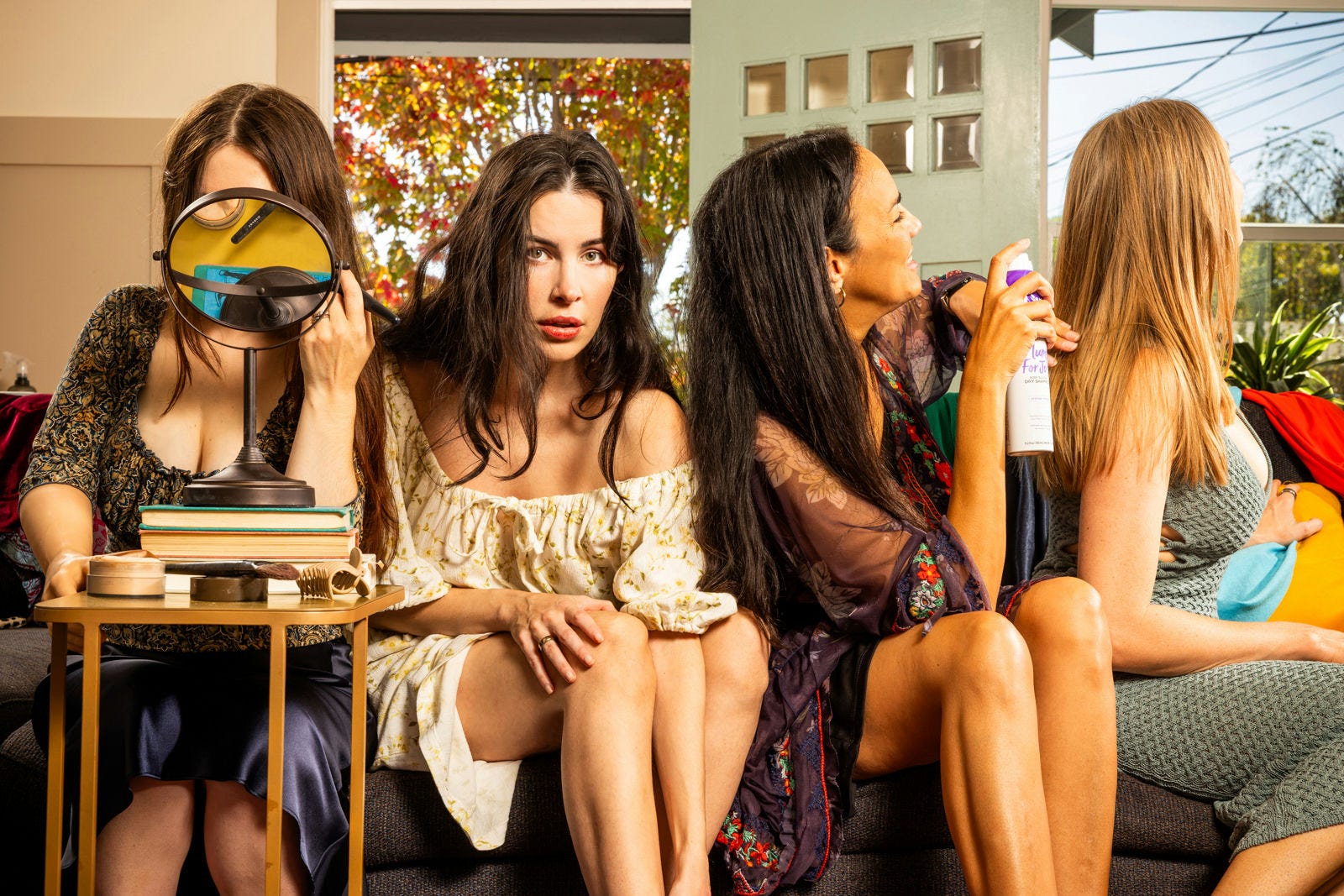
SlutCon bills itself as a sex education conference. Some call it an ‘autistic sex party.’ The truth is somewhere in the middle, writes Kara Kennedy. I’m in Berkeley, California, fingering a latex vagina while taking instruction from Alice Little, a diminutive redhead who lives part of the year in a Nevada brothel. Behind me is a line of 12 men waiting to do the same. There are three other sex dolls next to mine, all with different kinds of labia, none with small breasts. The guy beside me, a peculiar German, is taking his time. His eyes are closed; he is contemplative and knuckle-deep. The man behind me is tapping his foot and edging forward, physically signaling that I should stop hogging the doll and speed it up. These things can’t be rushed, though. And besides, the crevice is surprisingly hot and tacky. My fingers are stuck and I feel stressed. This is SlutCon—a self-described “sex education” conference, founded last year by three Bay Area sex influencers, including Aella—once one of the top earners on OnlyFans, now a self-styled “sex researcher.” She spends her day surveying anonymous strangers about what they like to do in bed, then uses the data to draw conclusions on her Substack. Her partner is Nate Soares, one of the leading voices in the AI safety movement; to celebrate her birthday one year, he reportedly helped organize a gangbang for her, which she enjoyed. The other two founders, known online as Pandora and Chesed, co-host a podcast called SlutStack; its companion blog features posts like “A Slut’s Guide to STI Testing.” In short, these are women who have taken the sexual revolution to its extremes, and make a living setting fire to the final taboos around female sexuality. But at SlutCon, the focus is on men. Specifically, on teaching them how to get laid. There are about 100 of them in attendance, and they have paid anywhere from $2,100 for an early bird ticket to $18,000. They range from 20something virgins to 70-year-old divorcés to middle-aged men whose wives have lost their libidos. Some of them have no trouble getting a girl to go out with them, and are just here to learn how to do complex BDSM; some of them literally cannot look a woman in the eye. The three-day timetable offers opportunities for beginners and experts alike; it is packed with hot tub sessions, and late-night dance parties, and almost 100 different workshops, ranging from “Small Group Flirt Coaching” to “How to Plan an Orgy,” and from “Vaginal Gymnastics” to “How to Pick Up Girls, Literally.” You could learn how to braid women’s hair, or get professional photos taken for your dating app profile.
Paid postKara Kennedy ·

Today in TGIF: The newest MAGA scam, ‘scuffles’ in France, Foursquare sunsets, Starlink stutters in Ukraine, and more! Hello, and welcome back to the week in review. I’m Nellie Bowles, and this is your brain on TGIF. → Is Trump privatizing Social Security?: Trump Accounts are turning into a very interesting little charitable financial vehicle. Elon Musk announced this week that he’ll be giving SpaceX shares “to every kid in America.” The shares will apparently be distributed through Trump Accounts. And now the plan is to expand Trump Accounts to anyone under 40 (Gen X screwed again). It’s starting to look a little like a new Social Security system being built in parallel. And the exciting twist: This one can actually invest in the stock market and, like, grow. Wouldn’t that be something? Everyone gets to go for a fun ride with SpaceX stock. By the way, as a CEO, it’s a great way to sway the public in your favor: All of America’s children are by default invested in the success of this one company? Perfect. I could see this being a great tool for embattled CEOs in general, even on a smaller scale. Sue my sweet company? You mean you want to punish all the children in Memphis who received these shares? You monster. → Congress is going to flip, adjust your scams appropriately: Alert! Alert! The House and Senate are likely both flipping, and will have a Democratic majority. Nate Silver gives Democrats the edge (to be fair, others think it’s more of a toss-up). Everyone, please adjust your scams. Drop the word America from your NGO and add the word Equity. But before you dye your hair blue, you should know that tons and tons of polling you read is fake. Like, literally just fake. The latest here is a public opinion polling shop called Wedgewood Polling, which was cited on MS NOW and in The New York Times (places that would never lead us astray). Wedgewood made this statement on their now-terminated X account: WEDGEWOOD POLLING, an experimental project to demonstrate the vulnerabilities, lack of oversight, and overall low barrier to entry in the modern political polling industry, makes this public statement. . . . Despite having no history, formal credentials, or real data behind the vast majority of our releases, Wedgewood Polling was added to major polling aggregators, including The New York Times, FiftyPlusOne, and VoteHub, and repeatedly treated as a legitimate data source. Ha ha. Cool. You got us, Wedgewood! Why do I increasingly feel like we’re all a part of a YouTube prank show? → President Elon: Elon Musk—America’s technological savior and also its most in-demand problematic sperm donor—is apparently setting geopolitical policy through his control of space internet. Here’s what happened: Musk slowed down Ukraine’s military Starlink internet, called Starshield, after the country bombed Russian diesel refineries, which apparently he didn’t like, according to The Wall Street Journal (which is on such a run, my god it’s good, good lord I’m mad). So he capped their internet speed, which made some of their drones unworkable. There are conflicting reports of whether the administration knew about this or not. Now, on the one hand, Musk made Starlink. If the government is so good at stuff, why didn’t it make Starlink? On the other hand, Starlink is so valuable that it literally might need to be nationalized. Sure, then the satellites will never be repaired and every Starlink tech will have to prove that they have one disability. But the alternative is Elon Musk alone, between rapid X posting, will control geopolitics. He’s going to hit the wrong button and whoops, bye Europe. As a notoriously stable genius once said: No one should have all that power. Especially a man who can’t seem to manage his own warring harem, so I’m doubtful about his ability to singularly manage the postwar international rules-based order. Like, when one of the mothers of his children needs his attention, she will quite literally post about it, begging for him t…
Paid postNellie Bowles ·
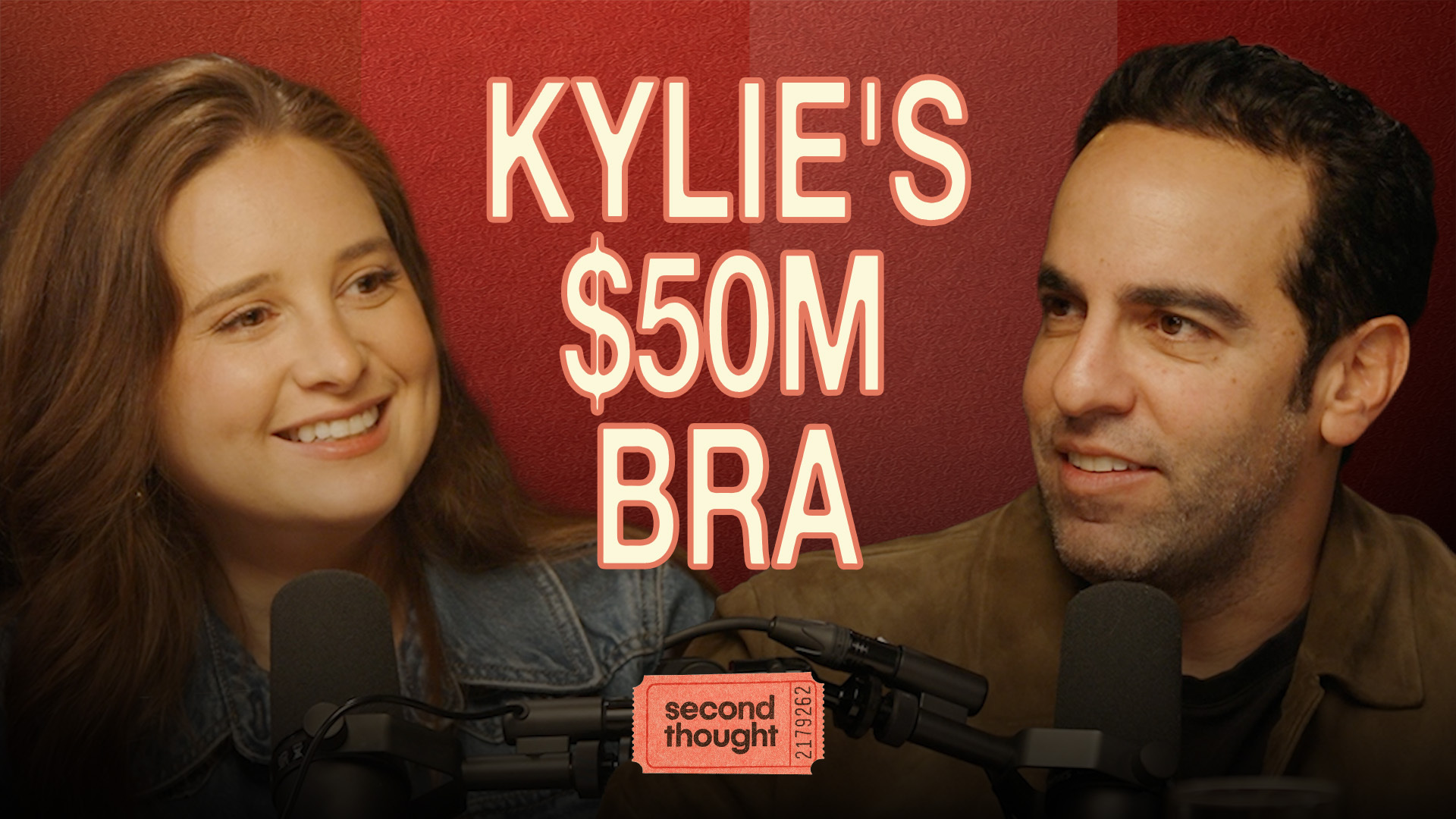
Watch now (38 mins) | Suzy and Dan break down Kylie Jenner's $50 million bra. Plus: Ghosts are coming for our beer, male doulas are coming for our babies, and Diet Coke is officially better for you than water, and more on Second Thought. This week, Kylie Jenner shocked the crowd at the Victoria’s Secret Fashion Show by strutting down the runway in a $50 million bra. The undergarment was covered in over 4,000 diamonds, with a 75.54-carat centerpiece; but Jenner’s critics say she isn’t a “real model,” and didn’t deserve it. This week on Second Thought, Suzy and Dan explain why Kylie is the…
Paid postSuzy Weiss ·
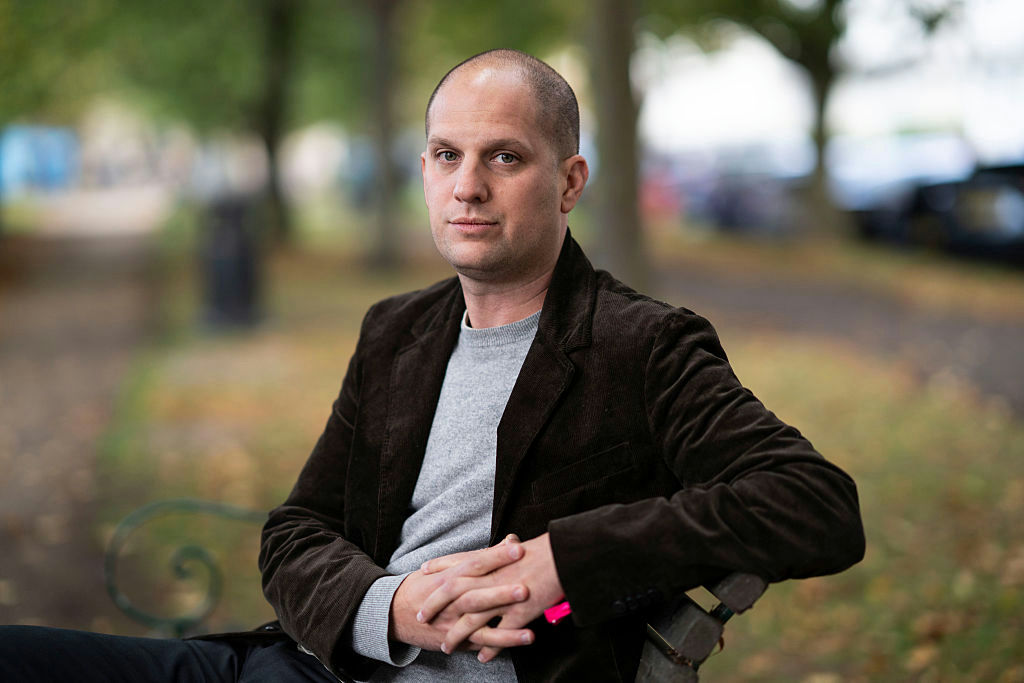
The Wall Street Journal reporter spent 491 days in Russian prison. The Free Press talks to him about hostage diplomacy, the FSB sting that caught him, and what Putin still gets wrong about him. “Well, there’s nothing much I can do. I’m here, I can’t get out of here, and honestly, it’s interesting. I get to see the system from the inside. I’m a reporter, after all—a voyeur—and this is the ultimate voyeurism.” That’s what Wall Street Journal reporter Evan Gershkovich told himself at the end of his first 24 hours in Moscow’s Lefortovo prison, where he landed shortly after the FSB, Russia’s primary domestic security and intelligence agency, arrested him on trumped-up espionage charges in March 2023. Then he turned on the TV in his cell and found a state talk show discussing his case. “As cynical as it sounds,” one host said, “we’ve replenished our [prisoner] exchange fund.” The exchange itself came 491 days later, in August 2024, in the form of the largest prisoner swap between Russia and the West since the Cold War. Gershkovich’s account of those days, and of the country that took him as a bargaining chip four decades after his parents left it, is the subject of his new memoir, This Cursed Beautiful Land. I spoke to Gershkovich this week, at a time when Moscow appears to be replenishing its exchange fund once again. On October 13, Russia announced it had detained a Japanese correspondent on the same espionage charge it used against Gershkovich. Four days earlier, Montenegro detained and promptly expelled a Kremlin-linked Russian war blogger. The same day, Dmitry Medvedev, the former Russian president who is now deputy chairman of the Security Council, wrote on Telegram that Russia would now likely have to “replenish the exchange fund from European and American morons to get back ours.” Gershkovich and I talked about hostage diplomacy, the sting that led to his arrest, his life in Lefortovo, why he thinks Vladimir Putin genuinely believes he was a spy—and why he’s leaving the Russia beat. Watch highlights from our interview below. And scroll down to read our conversation, which has been lightly edited for length and clarity. Tanya Lukyanova: I want to start by getting your take on the recent news. Last week the FSB detained Yuki Imai, a 34-year-old Japanese correspondent, accusing him of gathering information on Russian servicemen for Japanese intelligence. The parallels to your story are uncanny. Like you, he was flown to Moscow, and he’s being held under the same espionage article, handed down by the same Lefortovo court. What do you make of this situation? Does this look like another swap in the making to you? Evan Gershkovich: So I’ve been in touch with his family since this happened, and I’ve been speaking with the Japanese media. I think there’s a difference in Japanese society versus American society in terms of understanding what this is about. There’s a shock that his colleagues are going through right now in terms of understanding the concept of hostage diplomacy.
Paid postTanya Lukyanova ·

For all the buzz around a ‘Catholic century,’ evangelicalism is the denomination best placed to thrive in contemporary America. Ross Douthat has joined The Free Press as a weekly columnist, and we couldn’t be more thrilled. To celebrate his arrival, we’re running a flash sale for a limited time only. Read his writing every Thursday for 20 percent off an annual subscription. You’ll also get full access to everything we have on offer, from our columnists—Douglas Murray, Abigail Shrier, Niall Ferguson, to name just a few—to our podcasts, videos, events, and so much more. There’s no better time to subscribe. We hope you’ll join us. —The Editors Of all the predictions Alexis de Tocqueville made while surveying the youthful United States, one of the boldest concerned religion. Notwithstanding Protestantism’s apparent American dominance, the Frenchman prophesied that Roman Catholicism would be the long-term victor in a democratic age. “Our posterity will tend more and more to a single division into two parts,” he wrote in Democracy in America, with “some relinquishing Christianity entirely, and others returning to the bosom of the Church of Rome.” The last few years have given that prediction new life. From the spate of traditionalist-inclined college converts to the heretofore secular humanists who have thrilled to Pope Leo XIV’s critique of artificial intelligence, it often feels like Catholicism is the strongest religious alternative to post-Christian tribalism, nihilism, and transhumanism. Writing for the Catholic magazine Commonweal, Wesleyan University’s Daniel Steinmetz-Jenkins, himself a non-Catholic, envisions “a Catholic century,” in which the church’s thought becomes a “default option” for people seeking the common good amid liberalism’s crisis and AI-driven dehumanization. As a Catholic I have a similar reading of the intellectual situation. But it’s also essential to look beyond the intelligentsia to assess the health and future of religion. And in the wider culture, the form of Christianity that’s most adapted to late-modern America is clearly not the Church of Rome. It’s evangelical Protestantism. The vibes of a Catholic moment are real enough, but evangelicalism’s resilience is our era’s more fundamental fact.
Paid postRoss Douthat ·

A mom’s blood boils when her kid says his classmates were ‘watching bubbles float across the screen and were supposed to count them.’ Is it time to take drastic action? Our advice columnist weighs in. Dear Abigail, My husband and I are having a hard time agreeing on how to educate our three children. I want to start homeschooling, but he’s not sure. I’m a stay-at-home mom, and while some days are exhausting, I feel incredibly lucky to have had this time with our children. We’ve generally started them in very part-time preschool around age 3, followed by part-time pre-K. But our oldest just started kindergarten, and the transition to full-day elementary school has been much harder for me than I expected. With the rush to get everyone out the door in the morning—then the scramble to fit in dinner, sports, activities, and family time in the two or three hours left in the afternoon—I find myself mourning the slower days we had before. My kindergartner comes home overstimulated and full of pent-up energy, which often gets released by fighting with his siblings. Over the past two years, I have also become increasingly concerned about what is happening with technology in public schools. We live in one of the best public school districts in our state. But at our neighborhood elementary school, children are using Chromebooks beginning in kindergarten. My son has come home singing commercial jingles from ads that appeared before YouTube videos played by his teacher. For the past seven months, I have been petitioning our school district, meeting with leadership, and building a local parent community, to address concerns about EdTech and AI in the classroom. To the district’s credit, they have listened and made some meaningful changes. But the experience has also consumed an enormous amount of my mental and emotional energy. I’m realizing that I don’t want to spend the next several years trying to reform the public school system. I want to homeschool. My husband can see the appeal of homeschooling. He also thinks childhood should be slower and dislikes the amount of technology entering education. We both wish the school day included substantially more time outdoors. But he worries about what our children would lose by leaving school: the casual, unpredictable social exposure that happens throughout a normal day; friendships that develop organically; interactions with kids they might never otherwise meet. Ross Douthat. Abigail Shrier. Douglas Murray. Niall Ferguson. Coleman Hughes. Caitlin Flanagan. Nellie Bowles. Arthur Brooks. Kat Rosenfield. Tyler Cowen. The voices you trust, all in one place. For a limited time only, subscribe for 20% off The Free Press. I understand his concerns. At the same time, I don’t think homeschooling has to mean isolating our children. I just want to be much more intentional about the people and environments that shape them. There are enrichment programs in our community that offer one or two days a week of group classes. I also want my children to have meaningful relationships with teachers. My oldest already works with a neighbor who is a former teacher, and he absolutely loves learning with her. My husband and I don’t have big fights, but this has become the biggest disagreement in our marriage. He thinks I may have developed a vendetta against our school, and worries that I have lost perspective and am making a drastic decision based on something that is not actually a major problem. He wants to spend the rest of this school year observing what is happening in the classroom—and whether the growing backlash against excessive technology leads to a reduction in EdTech—and exploring our alternatives, before making a decision. In my view, every year we spend waiting is a year we can’t get back. But I really do not want to bully my husband into homeschooling. I want this to be a joint decision that we are both genuinely excited about. I know that, faced with a problem, I am much more emotionally reactive and ten…
Paid postAbigail Shrier ·

Harvard Medical School says obesity isn’t unhealthy. The Ohio locals who say drug rehab is destroying their city. And more. It’s Thursday, October 22. This is The Front Page, your daily window into the world of The Free Press—and our take on the world at large. Today: Frannie Block on the Ohio city that has become the “rehab capital of the world.” Brad Polumbo attends Harvard Medical School’s “fat liberation” conference. Elliot Ackerman on how AI could send us back to the Dark Ages. And much more. But first: The radical network driving the disorder in France. In the immediate wake of the violent protests in France over the weekend, the overriding reaction was shock. And understandably so: Shopkeepers saw their livelihoods destroyed overnight; innocent bystanders were threatened by protesters; iconic symbols of the French Republic were toppled and burned with impunity; and one of the great nations of the West seemed, all at once, to teeter on the brink of collapse. But amid all the destruction, one question has gone largely unanswered: Who really organized these protests? If you believe it was simply high school students fed up with teacher shortages and poor classrooms, you would be sorely mistaken. Rather, “the protests of October 17—and the ones planned for this coming weekend,” writes French investigative journalist Nora Bussigny, “were meticulously prepared, organized, and justified by a concerted coalition of Islamists, antifascists, and radical environmentalists.” Nora spent more than a year undercover in France’s anti-Israel movement, and today, she walks us through the messages, posts, and funding streams that reveal the radical network behind the protests—a red-green alliance that’s become increasingly familiar across the West in recent years. “What we are seeing in France is only a symptom of a much larger problem,” she writes. And if we hope to stop its spread, “it must be identified and called out for what it is.” If you ask Konstantin Kisin, co-host of the Triggernometry podcast, the chaos in France is already spreading—and Britain could be next. In today’s episode of Conversations with Coleman, he explains how lax immigration policy in Britain, as in France, has changed the fabric of his country. Watch the episode to understand why Konstantin believes the cultural differences that France and its neighbors have so aggressively celebrated for years could well prove to be Europe’s undoing. —Jillian Lederman Get 20 Percent Off an Annual Subscription to The Free Press Since day one, our goal at The Free Press has been simple: make sense of the world as it is. Five years later, that has never felt more urgent. How do you know what’s true in a world this confounding? You start with voices you trust. Ross Douthat. Abigail Shrier. Douglas Murray. Niall Ferguson. Coleman Hughes. Caitlin Flanagan. Nellie Bowles. Arthur Brooks. Kat Rosenfield. Tyler Cowen. They see the world clearly and embody the values that drive The Free Press: curiosity, courage, independence, doggedness, honesty. To celebrate our growing roster of columnists, we’re going on sale. Get access to all their writing and more, with 20 percent off an annual subscription for a limited time. MORE FROM THE FREE PRESS THE NEWS Russian president Vladimir Putin announced the release of Stephen Hubbard, a U.S. citizen held by Russia for over four years. The concession came shortly before Putin said that he is willing to resume peace talks with Ukraine. White House envoy Steve Witkoff called him a “humanitarian.” The Cornell University student identified as Jane Doe has dropped a man from her lawsuit after incorrectly identifying him as the president of the school’s Chi Phi fraternity. It is the latest example of mistaken identity in the suit. (For more on another mistake, read Frannie Block’s report here.) According to The Wall Street Journal, Elon Musk ordered the slowdown of Starshield, the military-grade version of the Starlink satellite service, in Ukraine. The s…
The Free Press ·

What began as a high school protest movement spiraled into a violent uprising, organized by Islamists, antifascists, and radical environmentalists who wish to see the French Republic toppled, writes Nora Bussigny. Chaos took hold of France this past weekend, as rioters stormed the streets, smashed buildings, set cars and a city hall in Limoges on fire, and looted stores across the country. It was the violent explosion of a protest movement that began in late September, with high school students angry about poor school conditions and a teacher shortage, and ended on the morning of October 18, with the streets covered in charred cars and broken glass. You might think that Saturday’s chaos was orchestrated by the same students who started the protests. But you would be wrong. The October 17 protests—and the ones planned for this coming weekend—were meticulously prepared, organized, and justified by a concerted coalition of Islamists, antifascists, and radical environmentalists. They share a precise project: the rejection of France’s democratic institutions, and a desire to destabilize those institutions and cause the Republic to topple. This coalition may sound familiar to readers across the West. The red-green alliance—the convergence of radical leftists with political Islamists, brought together by their shared opposition to Western values and institutions—has become increasingly difficult to ignore, rearing its head from England to Germany to college campuses across the U.S. In other words, what we are seeing in France is only a symptom of a much larger problem. It must be identified and called out for what it is. Ross Douthat. Abigail Shrier. Douglas Murray. Niall Ferguson. Coleman Hughes. Caitlin Flanagan. Nellie Bowles. Arthur Brooks. Kat Rosenfield. Tyler Cowen. The voices you trust, all in one place. For a limited time only, subscribe for 20% off The Free Press. To do that, we need only trace the messages and images these French groups have posted publicly over the past few weeks. For example: The day before October 17, the radical-left news site Contre Attaque published the precise addresses of several French newsrooms, which it then circulated to its more than 400,000 Instagram followers. Included on the list were right-wing outlets as well as public broadcasting sources. “On October 17, what if the channels of enemy propaganda were unplugged?” the activist news site suggested. It even offered advice: “In the capital, it’s extremely simple: The headquarters of almost all media outlets are concentrated in a few streets in the same neighborhood; they are accessible, and vulnerable.” At 7 a.m. on October 17, the order took effect: Around a hundred people—“hooded,” according to police—stormed the headquarters of CNews, one of the outlets on the list.
Nora Bussigny ·
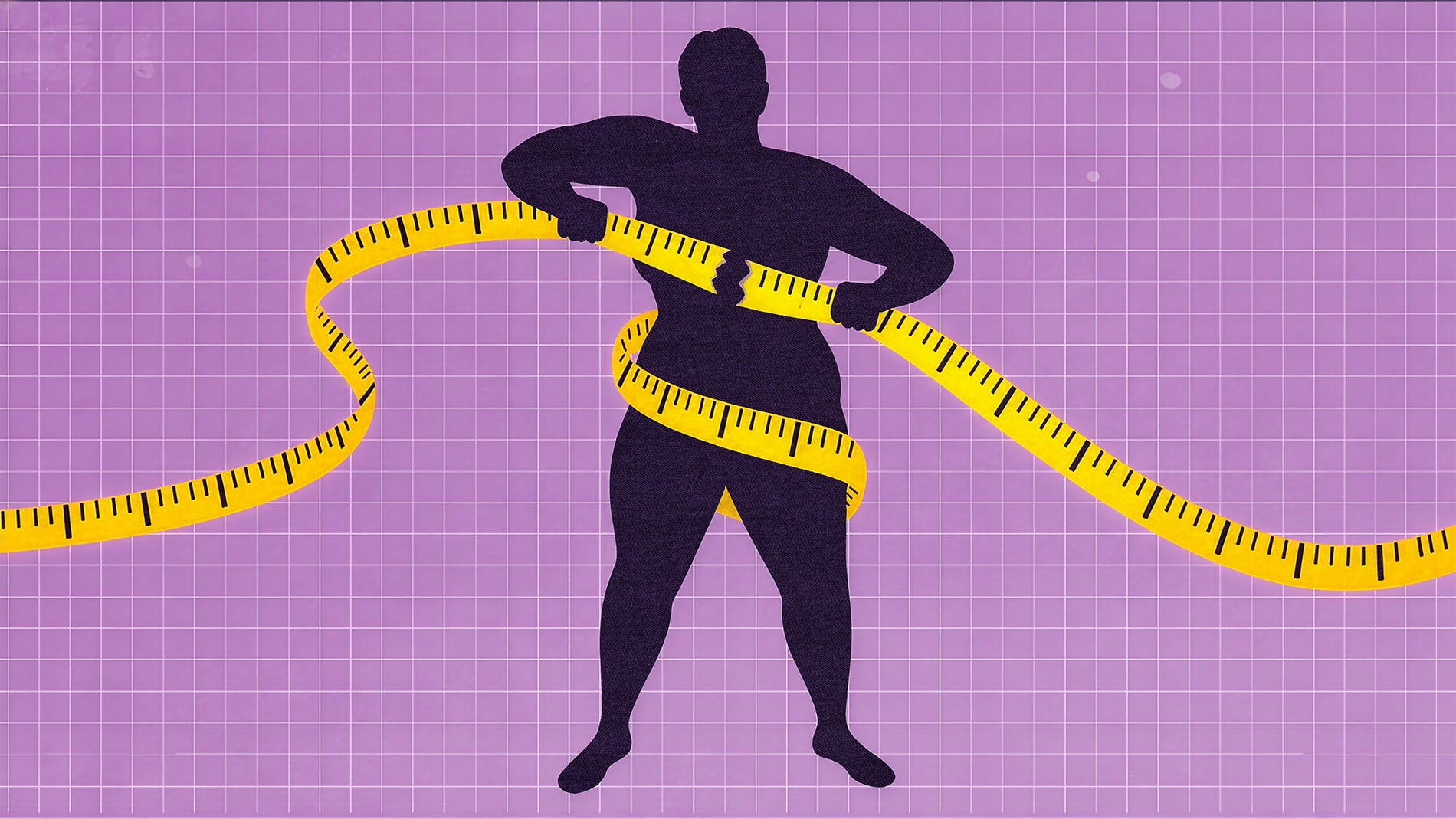
The panelists claimed America lives under ‘body fascism’ and that fat-shaming, not fat, harms people’s health. None of the three main speakers at this event was a doctor or a scientist of any kind, writes Brad Polumbo. Obesity isn’t unhealthy. Medical paperwork is violence. We’re living under fascism for fat people. All these arguments have been asserted not in an uber-woke Reddit thread—or, not only there—but at a panel sponsored by Harvard Medical School. “Against the Pathology of Unruly Bodies” took place on September 30, and I had the pleasure of attending, via Zoom. The event featured a research-based criticism of established obesity medicine from a series of qualified experts and scientists. Just kidding. It was, instead, a bizarre panel conversation of far-left, Covid-mask-wearing activists seeking to promote—at an elite medical school—an alternative version of reality. It was also a disturbing reminder that, in some of our most powerful institutions, progressive activism is still freely eroding well-established fact. The event was hosted by New York Times contributing writer and famed left-wing author Roxane Gay, evidently in her capacity as a visiting professor and artist-in-residence at Harvard Medical School. (I wasn’t aware medical schools employed artists-in-residence.) She was joined on the panel by the socialist writer Da’Shaun L. Harrison, a biological male who identifies as transgender and uses they/them pronouns, and whose scientific credentials include authoring the book Belly of the Beast: The Politics of Anti-Fatness as Anti-Blackness, which won the 2022 Lambda Literary Award for transgender nonfiction. Harrison is perhaps best known for going viral in September after claiming at the Socialism 2026 conference in Chicago that GLP-1 medications like Ozempic are part of a “genocide” against fat people. Ross Douthat. Abigail Shrier. Douglas Murray. Niall Ferguson. Coleman Hughes. Caitlin Flanagan. Nellie Bowles. Arthur Brooks. Kat Rosenfield. Tyler Cowen. The voices you trust, all in one place. For a limited time only, subscribe for 20% off The Free Press. The other “expert” on the panel was activist and consultant Ragen Chastain, whose day job is essentially telling medical providers that the assumption that obesity has severe negative effects on overall health—which is the consensus of U.S. and global health authorities—is wrong. This is a core tenet of “fat positivity,” the movement that united to reframe obesity not as a disease but as another laudable identity in the diversity rainbow. Partly in response to the brutal weight shaming and utterly unrealistic body standards of the early aughts, it gained traction online in the late 2000s and early 2010s, moving from corners of the internet like Tumblr and ultimately making its way to magazine covers and elite media outlets. But alas, the science still doesn’t seem to have drawn the conclusions desired by the fat positivists. And so, they persist.
Brad Polumbo ·

The debate over AI is framed as regulation versus free markets. But the real question is whether elected governments can retain control over technologies that threaten civilization itself, writes Elliot Ackerman. Over the past several months, as artificial intelligence and its potentially catastrophic effects on society have taken center stage, discussion around the technology has broken down along a familiar framework in American politics, dividing into two camps: pro-regulation versus pro–free market. On the one hand, you have researchers like David Robinson, a senior safety leader at OpenAI, who after resigning from his position two weeks ago wrote that “the future depends on the wisdom that Silicon Valley lacks.” Joining him are tech industry leaders like Bill Gates, who recently warned that “AI is certainly powerful enough to drive events that cause a billion deaths.” This camp argues for greater government oversight over AI, and for AI companies to proceed more cautiously. On the other hand, you have people like President Donald Trump, who has called demands for AI regulation a “hoax.” He has led an equally loud chorus, which includes tech leaders like Jensen Huang, the CEO of Nvidia, who argue that concerns about AI are overblown and disingenuous, that AI leaders like Sam Altman and Dario Amodei are eager for regulation so that they can box out competition, and that pumping the brakes on AI amounts to government meddling in the free market. Ross Douthat. Abigail Shrier. Douglas Murray. Niall Ferguson. Coleman Hughes. Caitlin Flanagan. Nellie Bowles. Arthur Brooks. Kat Rosenfield. Tyler Cowen. The voices you trust, all in one place. For a limited time only, subscribe for 20% off The Free Press. Both sides are operating under an inadequate framework. Recently, on Meet the Press, Gates said, “There’s never been a weapon as powerful as the combination of people with ill intent using the latest AI tools.” He’s right, and that’s why the structures we use to govern a private industry, or even a public utility, don’t fit when it comes to AI. Rather, the appropriate structure is how we govern violence in a society, and those governance structures have been developed over millennia. Understanding their evolution might save us from a future of violence and chaos that looks much like humanity’s past.
Elliot Ackerman ·